







Author: kturner

  • Lawley Names Four New Partners – Michael Jantzi II, Michael Knott, Kevin Ross, and Michael Ross

    Lawley Names Four New Partners – Michael Jantzi II, Michael Knott, Kevin Ross, and Michael Ross

    Lawley, an independent family-owned insurance broker and employee benefits firm, is proud to appoint Michael Jantzi II, Michael Knott, Kevin Ross, and Michael Ross to partner- level to further drive the success of the agency.

    With a career in the insurance and business development sectors since 2010, Michael Jantzi has been instrumental in shaping the Lawley Public Sector and School practice group, fostering strong client partnerships. He is key in helping schools and municipalities negotiate enhancements to their renewal and collective bargaining agreements, grounded in best practices and market trends. Jantzi’s expertise spans various funding methods, including self-funding, which has enabled him to build robust relationships with insurance carriers. Prior to becoming a partner, he was an employee benefits consultant for 10+ years. Jantzi holds a New York State Life, Accident, and Health license and has earned the Group Benefit Disability Specialist (GBDS) designation. In addition to his professional commitments, Jantzi is actively engaged in the Western New York Community as he serves on the board for Kids Escaping Drugs, is a coach with the Buffalo Jr. Sabres organization, and is a 2024 Buffalo Business First 40 Under 40 Honoree.

    As the leader of Lawley’s Healthcare Practice Group, Knott manages a team of professionals with experience and understanding of the healthcare industry’s unique exposures. He helps create and implement risk management strategies to lower costs, prevent claims, and provide comprehensive coverage. Knott works with medical groups, hospitals, and other healthcare facilities to develop medical malpractice programs as well as property & casualty, workers’ compensation, crime, fiduciary, and cyber insurance programs. Prior to joining Lawley, Knott served as an AmeriCorps VISTA Volunteer at the
    Homeless Alliance of WNY, where he assisted in creating Buffalo’s 10-year plan to end homelessness. Knott is a Commercial Lines Coverage Specialist (CLCS), earned a bachelor’s degree from Canisius University, and serves on the board for Restoration Society Inc. and Sisters Hospital Foundation.

    Kevin Ross has held a number of positions within Lawley over his 10+ years in the insurance industry, learning all aspects of commercial insurance and risk mitigation. He has become a leader in two of Lawley’s largest property & casualty segments, construction and real estate. Ross specializes in the areas of affordable housing, construction trades insurance, and land & real estate developers’ insurance. He helps both nonprofits and municipal housing authorities navigate the complex world of tax credits. He holds a NYS Property & Casualty Brokers License and is a Chartered Property Casualty Underwriter (CPCU). Kevin Ross earned a bachelor’s degree from Fordham University and graduated from Leadership Buffalo.

    Through his years at Lawley as a property & casualty insurance advisor, Michael Ross has helped grow Lawley’s construction and real estate divisions. He takes a hands-on approach with clients to tackle their insurance challenges and streamline the evaluation and implementation process to deliver sound insurance options and creative alternatives. Ross guides his clients in implementing robust safety programs to lower the overall cost of risk. Prior to Lawley, Michael Ross was a founder of a wholesale business and brings his expertise gained through working with a variety of entrepreneurs to the insurance field. Ross earned his bachelor’s degree from Fordham University.

    “Moving into the 4th generation of Lawley’s family business, we’re very proud to name Kevin and Michael Ross as partners. Alongside the leadership of Michael Jantzi and Michael Knott, we’re looking forward to the exciting times ahead,” says Bill Lawley, Jr., Principal of Lawley.

    “Each of these leaders has developed a strong niche and bring their expertise to our clients in various industries. We’re extremely proud of our 4 new partners as they help continue the success of our agency for years to come,” says Mike Lawley, Principal of Lawley.

  • Dwelling Fire Coverage Options

    Dwelling Fire Coverage Options

    If you own rental or investment properties, you need to protect them from a host of potential perils, including fire, lightning, vandalism and theft. If your primary residence is located on the rental or investment property, a homeowners policy would cover you from many of the potential risks. But what if you live somewhere else? A dwelling fire policy may be the type of coverage you need to insure your rental or investment property from damages.

    Dwelling Fire Policy Basics

    Despite the name, a dwelling fire policy can protect your properties from much more than just fire damage.

    The coverage is very similar to a homeowners policy, with one significant difference—a dwelling fire policy is created for a landlord that does not make the property his or her primary residence. If you need to insure a rental or investment property but not the personal property inside, a dwelling fire policy is a smart decision.

    To be eligible for a dwelling fire policy, the property generally needs to be one of the following:

    • Single family home
    • One- to four-person family dwelling
    • Older home worth $50,000 or less
    • Vacation, seasonal or second home

    Differentiating the Dwelling Policy Types

    Just like homeowners policies, there are several different types of dwelling fire coverage. DP-1 is known as the basic form, DP-2 is known as the broad form and DP-3 is known as the special form. Each provides a significantly different level of coverage.

    DP-1: Basic Form

    The basic form is a “named perils” policy (that is, the policy explicitly names what perils are covered) and covers losses due to:

    • Fire
    • Lightning
    • Internal explosion, such as a stove or water heater

    There are two optional endorsements available with DP-1 coverage:

    • Vandalism or malicious mischief (V&MM)
    • Extended coverage, which includes damages due to the following:
      • Hail or windstorms
      • Other explosions
      • Riot/civil commotion
      • Aircraft or vehicles
      • Smoke
      • Volcanic eruptions

    Claims under a DP-1 policy are settled on an actual cash value (ACV) basis by default—however, you can sometimes opt for a replacement cost value (RCV) policy for an additional cost.

    The DP-1 form is usually the form of choice for vacant homes or properties, and it may be the only option for these dwellings.

    DP-2: Broad Form

    The broad form is also a named perils policy and covers the same perils as the basic form, with certain additions:

    • Extended coverage and V&MM coverage are automatically included
    • Burglary damage
    • Weight of ice and snow
    • Glass breakage (as long as the building was not vacant for 60 or more days before a loss)
    • Accidental discharge or overflow of water or steam (as long as the building was not vacant for 60 days before a loss)
    • Falling objects (such as trees)
    • Freezing of pipes
    • Electrical damage
    • Collapse (due to decay, vermin or insect damage, or other perils)
    • Tearing apart, cracking, burning, bulging

    Unlike the DP-1 form, the DP-2 form settles claims on a RCV basis.

    Loss of rent coverage may be included with a DP-2 policy. If tenants are forced to move out while the landlord repairs the dwelling due to damage caused by a named peril, this coverage would reimburse the landlord for rent lost during the process.

    DP-3: Special Form

    The DP-3 form is the most comprehensive dwelling fire coverage available. It is an “open perils” or “all risk” policy, which means real property (dwelling and other structures) will be covered for all types of damage, except those exclusions named in the policy. However, damaged personal property (all the items inside the dwelling and other structures) is covered on a named perils basis.

    DP-3 form exclusions vary, but will typically include some or all of the following:

    • War
    • Water damage
    • Laws and ordinances
    • Neglect
    • Intentional loss
    • Mold, rust, rot and other gradual losses
    • Certain types of water damage
    • Earth movement, such as earthquakes
    • Governmental action

    Damages are covered under a RCV basis by default.

    Which Form is Right For You?

    All three dwelling fire policy forms can be valuable, depending on what kind of property is being insured. DP-1 coverage is ideal for vacant buildings, as the other two policies will not cover such structures. It only offers the very basic coverage to a landlord.

    Whether you choose a DP-2 or DP-3 policy depends on several things—cost, perils covered and ACV versus RCV—but a cost-benefit analysis should always be conducted before purchasing a dwelling fire policy.

    We can help you do just that—contact Lawley today to learn more about what type of dwelling fire policy is right for you. For more information on our personal insurance options, visit our web page here.

  • Understanding 2025 Personal & Commercial Market Conditions

    Understanding 2025 Personal & Commercial Market Conditions

    Going into 2025, the commercial insurance market is finally expected to stabilize for certain lines of coverage, building off the momentum and easing conditions created in the past year.

    Still, certain trends and uncertainty could create volatility, and some lines of insurance remain challenged and losses stemming from various trends have forced commercial property insurers to increase the majority of policyholders’ premiums and introduce more restrictive coverage terms.

    While one can have an optimistic outlook for the personal insurance market, the continued occurrence of intense natural disasters is leading to an increase in auto and home insurance premiums for consumers.

    Click to the images below to learn more!

  • New Year – New Safety Plan

    New Year – New Safety Plan

    The start of the new year serves as a great opportunity to reevaluate efforts, implement improvements, and consider a new approach to safety.

    To evaluate efforts, be sure to review your 2024 TRIR data and compare it to peer organizations. If the data for your organization is higher than peer organizations, consider creating a plan of action to correct programs.

    In addition to ensuring a safe workplace, implementing recommended practices will bring additional benefits throughout your organization year round.

    Below are some tips from OSHA on how safety and health programs can support your organization:

    • Prevent workplace injuries and illnesses
    • Improve compliance with laws and regulations
    • Reduce costs, including significant reductions in workers’ compensation premiums
    • Engage workers
    • Enhance their social responsibility goals
    • Increase productivity and enhance overall business operations
  • Winter Safety: Driving

    Winter Safety: Driving

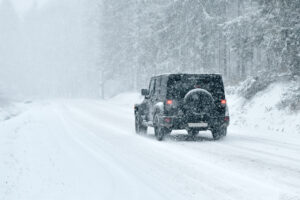
    When the temperatures turn frigid and the roads get slick with ice or snow losing control of a car can occur. Undoubtedly this can be one of the most frightening experiences behind the wheel as it can lead to skidding, which, at high speeds, could result in a crash and bodily harm.

    Consider the following accident prevention technique to prevent an unnecessary skid, slip or accident

    • Slow down ahead of turns and curves, as this will allow you to prepare for potential icy spots.
    • When at a curve, apply power slightly to the gas and steer steadily. Do not change directions abruptly and refrain from braking suddenly.
    • Be prepared for lane changes. Check your rearview mirror and blind spot, and then signal your direction to alert other motorists.
    • When changing lanes, move over in a long, gradual line with minimal steering changes.
    • Look out for ice patches, piles of wet leaves and shady areas. These areas are skidding hazards.
    • Anticipate stops by slowing down gradually, well ahead of intersections. These areas are generally slicker than other parts of the road because of the excess starting and stopping traffic.
    • Drive at reduced speeds. Slow your speed and increase your following distance behind the vehicle in front of you. This will allow for a larger buffer in case you start to lose control.
    • Avoid overpowering in deep snow.
    • Use a light foot on the accelerator (rather than slamming on the gas to move forward).

    If You Start to Skid

    If your car starts to skid, do not panic. Steer in the direction that the vehicle is sliding until you feel the wheels regain traction. Then, slowly straighten your wheels and keep rolling.

    If you need to brake before your tires regain traction, apply the brake carefully so that you do not lock your wheels.

  • Winter Weather Safety Tips

    Winter Weather Safety Tips

    As we enter the winter season, it is important to take extra precautions to remain safe at all times. Check out these tips from the National Safety Council to protect yourself, even in colder months.

    1. Drive Safely and Prepare Your Vehicle
      Make sure to test your battery, use winter tires on your vehicle, and warm up your vehicle before going for a drive.
    2. Be Careful while Shoveling
      High levels of activity in cold temperatures put many people at risk of heart attack, especially those who have inactive lifestyles. It is best to consult a doctor if you have a history of heart disease, before clearing your driveway.
    3. Treat Frostbite Immediately
      As the most common injury resulting from exposure to severe cold, it is critical to treat frostbite early as it can lead to tissue death and amputation

    4. Avoid Injuries from Winter Sports
      Whether it’s skiing, snowboarding, or sledding, make sure you are aware of basic skills for the sport and wear functional gear to stay safe.

    In addition to following steps to stay safe in winter months, it is important to use precautions to prevent Carbon Monoxide Poisoning. As hundreds of deaths and tens of thousands of people are treated for carbon monoxide poisoning every year, having a carbon monoxide detector can save lives.

  • Be Aware of Aggressive Drivers

    Be Aware of Aggressive Drivers

    An aggressive driver is someone who operates a motor vehicle selfishly, boldly, or pushy without regard for other motorists.

    As the holiday shopping season leads to congested roadways and increased stress while driving, it is likely some drivers may experience road rage and end up acting violently. Road rage can begin from a minor traffic accident and lead to a larger escalation, which puts all drivers on the road in danger.

    Understand these tips from the New York State Police Department to keep you and fellow motorists safe when dealing with an aggressive driver:

    • Remain calm
    • Avoid making eye contact
    • Keep your distance as much as possible
    • Let the driver go ahead of you or pass, avoid passing the driver
    • Should an aggressive driver tailgate, a reminder to maintain the proper speed and no response
    • Once safely able to do so, call 911 to report the incident and provide as many details as you can

    Should you get into an Automobile accident, reach out to the Lawley team. With over 100 years of combined experience, our dedicated team of professionals will take care of all your needs and guide you through every step of the claims process.

  • Prevent Ice Dams

    Prevent Ice Dams

    Simply put, ice dams are an accumulation of frozen water in the gutter at the roof’s edge that blocks drainage of melting snow from flowing within the gutter system. Ice dams are common in areas that receive heavy snow buildup, i.e. Minnesota, North Dakota, and Wisconsin.

    Ice dams are caused by a combination of uneven heat loss from your home and wintry conditions re-freezing melted snow. This causes the roof to warm above freezing temperature, which allows snow to melt and then re-freeze before it reaches the roof’s edge.

    If this cycle repeats consistently, an ice dam forms and water collects behind it. As the water pools, it collects and can cause costly water damage. Follow these tips to prevent the formation of ice dams.

    • Keep the attic well-ventilated. According to the Department of Energy, one square foot of free ventilation opening is recommended for every 150 square feet of attic space.
    • Seal air leaks to prevent warm air leakage from plumbing vents, junction boxes from ceiling fixtures, and attic hatches.
    • Keep the attic floor well insulated (between 16 and 22 inches of insulation) to minimize the heat rising into the attic from below.
    • Clean leaves and other debris from gutters before the first snow. This will help prevent ice buildup in your gutters.
    • Consider using an ice shield under your shingles when your house is getting re-roofed.
    • Use a roof rake to clear the snow above the gutter. Clear as much as three to four feet above the gutter to allow water to drain freely into the gutter.
    • Consider hiring an energy specialist to evaluate the performance of your home and recommend some things you can do to minimize energy waste.

     Watch for Icicles

    • During cold winter months, the icicles on your home’s eaves may be a sign that a ridge of ice is forming at the edge of the roof. This ridge, also known as an ice dam, can prevent melting snow from draining properly.
    • If an ice dam forms, sprinkle a melting compound to break it up. Avoid using traditional rock salt, as it may cause further damage and faster deterioration of your gutters.

    For more household maintenance guidance and homeowners insurance solutions, contact us today.

  • Inside Medicare: Am I supposed to sign up for a Medicare Prescription Payment Plan?

    Inside Medicare: Am I supposed to sign up for a Medicare Prescription Payment Plan?

    Lawley Medicare Solutions Learning Center:

    Ask Janell!

    QUESTION: I received a Medicare Prescription Payment Plan form from my insurance company. Am I supposed to sign up for this?

    ANSWER:  The Medicare Prescription Payment Plan (M3P) is a new option for individuals with Medicare Part D coverage. This option is designed to help those with high prescription drug costs by allowing you to spread the cost of medications across the entire year. You may see it referred to as M3P in some documents.

    If you complete this form and return it to your insurance company, you will not need to pay for your medications upfront when you visit the pharmacy. Instead, you will receive a monthly bill from your insurance company, which will spread the costs across the remainder of the year.

    The M3P option is intended for individuals with very high prescription drug costs. For those whose medications cost thousands of dollars each month, the out-of-pocket expenses at the beginning of the year can be significant. Most Medicare Part D plans have a deductible, which requires you to pay full price for your medications until the deductible is met. The deductible can range from $200 to as high as $590. Once the deductible is paid, you enter the Initial Coverage phase, where medications are covered with a copay, which can vary. Copays might be a fixed amount (e.g., $0, $5, or $42) or a percentage (e.g., 25%, 33%, or 40%).

    If you’re considering using the M3P to spread out the cost of the deductible, keep in mind that as you continue to fill prescriptions throughout the year, those costs will be added to your monthly payment. For example, if your deductible is $590, spreading it out over 12 months means an additional $49.16 per month. If you continue to fill a medication that costs $42 per month for the remainder of the year, your monthly payment will increase. In this case, by February, your monthly payment would rise to $52.98, and by March, it would be $57.18, continuing to grow as the year progresses.

    If you only have a standard deductible and regular copays throughout the year, the M3P might not be the best choice for you. It is most beneficial for individuals with very high medication costs, especially those who quickly reach the Maximum Out-of-Pocket (MOOP) limit of $2,000.

    For example, if your first medication copay is $1,479, the M3P option would spread that cost over 12 months, resulting in a monthly payment of $123.25. In February, if your next medication copay is $521, your payment for the month would increase to $170.61. From February to December, this amount would stay the same, as you would have already reached your $2,000 MOOP for the year. This structure allows you to spread out large costs without facing interest charges, unlike using a credit card.

    In the past, many people with high prescription costs had to use credit cards to cover their medication bills, resulting in high interest charges. The M3P option eliminates that concern and helps individuals manage their medication costs more easily.

    While I believe the M3P option will be a great help to individuals with extremely high medication costs, it’s important to remember that it’s not for everyone. When reviewing your coverage for 2025, consider your expected copays and how they accumulate throughout the year. If you will reach the $2,000 MOOP early in the year, the M3P is likely a good option for you. However, for most people who only have regular copays, you likely don’t need to sign up for the M3P.

    So, unless you fall into the group that would benefit from spreading out high medication costs, do not complete the Medicare Prescription Payment Plan Participation Request form. Simply keep it for your records or recycle it if you don’t need the plan.

    If you have questions or need assistance navigating your options, don’t hesitate to reach out to the Lawley Medicare Solutions Team. You can contact Medicare Service Team Lead Gabrielle Connor at 716.849.8223, or submit an inquiry through our contact form below. We’re here to help you find the right coverage for your needs!

    At Lawley Medicare Solutions, our Medicare and Individual Health Consultants are dedicated to helping you make the most informed decisions about your healthcare needs. We offer personalized service and expert advice tailored to your unique situation. Contact us today by phone or email to schedule a consultation and ensure you’re getting the best coverage for your needs.

    Read all Inside Medicare articles HERE.

    LAWLEY HAS A TEAM DEDICATED TO MEDICARE INSURANCE!

    Our licensed Medicare & Individual Health Insurance team can help clients understand the details of Medicare insurance plans, assist with choosing the right benefits and coverage, and provide guidance when life events that affect health coverage occur.

    For questions, concerns, or to reach Lawley Medicare Solutions, call 716.849.8223.

  • New Change for NYS Contractors

    New Change for NYS Contractors

    Recently, the NYS Department of Labor announced the addition of subsection 220-I to Article 8. This addition will require all NYS Contractors to register online with the intent to form an online database of electronic certified payroll records over the next year.

    Beginning on December 30, 2024, all NYS contractors must register with NYS Department of Labor’s Bureau of Public Work prior to bidding on public work projects, commencing work on public work projects, or covered private projects that are subject to the prevailing wage pursuant to Sections 224-a, 224-d, & 224-e. No contractors or subcontractors are required to register prior to this date.

    STEPS TO REGISTER:

    1. Create an Account – Visit NYS Department of Labor to create an account to register
    2. Submit documents and business information – Name, address, phone number, owners, and officers must be provided along with providing any discourses on any outstanding wage assessments, debarment, or other labor law violations.

    Information collected through registration will be used to develop a publicly accessible database of electronic certified payroll records scheduled to be available on December 31, 2025.