








Flood Damage vs Water Damage

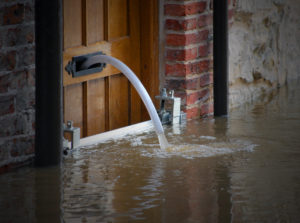
Flood damage and water damage are not the same thing in insurance. Even though both can wreck a home, the policy that pays depends on what caused the water and how your policy defines it.
1) Standard homeowners insurance usually doesn’t cover flood
A standard homeowners policy generally does not cover flood damage. That’s why many people are surprised after a storm when they learn their claim isn’t paid under regular home coverage.
To get protection for flood losses, you typically need a separate flood policy. That flood policy can help cover things such as:
- Structural damage
- Major equipment (like furnace, water heater, and central air)
- Flood debris cleanup
- Electrical and plumbing systems
2) Flood insurance uses a specific definition of flood
Flood coverage isn’t just about “water is in the house.” Flood insurance relies on a particular definition of what counts as a flood, generally involving water overflow/inundation, such as:
- Overflow of inland or tidal waters
- Unusual and rapid buildup of water
So even if you experience water damage, if the event doesn’t fit the flood definition, your flood claim may not work the way you expect.
3) Water damage is broader and coverage depends on the cause
Water damage is a general phrase. It can mean problems inside the home, like:
- Burst pipes
- Overflowing toilets
- A faulty roof that lets rain in
Whether that type of water damage is covered depends on your homeowners policy wording because your policy may cover some types of water loss but exclude others. In many cases, the key is how the water got there and whether it’s treated as a flood.
4) Your policy may not treat all water entry the same
People often think, “Water got in, therefore it’s covered.” But insurance companies commonly separate losses based on cause, timing, and policy definitions. That means:
- A storm-related event might be handled differently than a broken pipe.
- Some policies may cover certain water problems, but flood is handled under flood coverage, not your base homeowners policy.
5) Flood and water claims may follow different practical steps
If you have a flood insurance policy and need to file, the claims process generally includes things like: contacting your agent/carrier promptly, documenting losses with photos/videos, preparing for an adjuster inspection, reviewing repair estimates, and signing proof of loss if requested.
Quick Guide
- If it’s flooding (overflow/rapid inundation): you usually need flood insurance, not just homeowners coverage.
- If it’s water from a home problem (pipe/toilet/roof leak): it may be handled by homeowners insurance, depending on your policy terms.
- The cause matters as much as the damage.
Has Lawley checked your insurance coverage recently? Contact us for a review of your policy and ensure that you are adequately covered.
More Insight & Tips
-
Understanding Summer Liability Risks at Home
 Paul Dreher
Director of Personal Insurance
Paul Dreher
Director of Personal Insurance
-
A Simple Auto Insurance Update Could Save You Trouble Later
Paul Dreher
Director of Personal Insurance
-
Are You Properly Insured for a Hurricane?
Paul Dreher
Director of Personal Insurance