








Author: kturner

  • Lawley Grows Medicare Solutions and Employee Benefits Team

    Lawley Grows Medicare Solutions and Employee Benefits Team

    Lawley, an independent family-owned insurance broker and employee benefits firm, is proud to welcome Michele Luthi and John Weatherby to the Medicare Solutions division and David DiProsa to Lawley’s employee benefits division. Additionally, AJ Dolce will be expanding his current role as he will now be providing services in property and casualty insurance. These additions aid in several growth initiatives across the agency and through Lawley’s entire footprint.


    As of June 1st, Dolce will assist individuals and businesses with property and casualty lines of insurance as well as Medicare solutions. Dolce has been with Lawley for five years and is skilled at creating dynamic relationships. Prior to Lawley, Dolce was the Mayor and Councilman for the City of Dunkirk. He currently serves as a council member for SUNY Fredonia and sits on the board for the Willowbrook Cemetery.

    In addition to expanding the role of Dolce, Luthi and Weatherby will join Lawley’s Medicare Solutions division to assist individuals eligible for Medicare.

    As a licensed and certified insurance agent and broker, Weatherby is authorized to advise and enroll eligible individuals in the Medicare and the New York State Individual Medical Marketplace. He brings five years of experience from roles at Highmark BlueCross BlueShield, Aquaphoenix Scientific, and LAB-AIDS Inc. He currently serves on the executive board of the Niagara Falls Umpire Association.

    Luthi will also join Lawley’s Medicare Solutions Division, bringing 15+ years of experience from her time with Independent Health. She excels in developing relationships to provide proper health plan solutions and is known for her unique combination of being detail-oriented, sales-minded, and having exceptional interpersonal skills.

    Joining Lawley’s employee benefits division, DiProsa will serve as a liaison between clients and carriers and work to provide the best-customized plan option to meet the client’s employee benefit needs. With 30+ years of experience, DiProsa is skilled in articulating information, developing successful relationships, and is passionate about assisting small and mid-sized businesses. He currently sits on the board of the Help Us Give Smiles Foundation (HUGS) and is a community ambassador for David’s Refuge, a Syracuse, N.Y.-based non-profit devoted to helping parents and guardians of special-needs children.

    Lawley is continuously committed to developing individuals, especially those new to the insurance industry. In conjunction with increasing the Medicare and Employee Benefits divisions, Lawley welcomes several students as temporary support throughout the summer.

    “I’m excited about the continued growth of our agency, especially with our Medicare and Employee Benefits divisions. Creating various opportunities and adding skilled individuals allows us to continue to provide the best health insurance benefits to clients and individuals,” says Chuck Allesi, partner of Lawley.

    “We’re proud of AJ and his accomplishments with the Medicare team. He will be a mentor to Michele and John as he looks to further assist individuals with personal services. We look forward to continuing to see great things from AJ,” says Mike Lawley, Principal of Lawley.

  • Safety Stand Down; Response to Lithium-ion Batteries

    Safety Stand Down; Response to Lithium-ion Batteries

    In 2022, at least 19 people died in the United States because of fires or overheating incidents related to battery-powered products. In New York City alone, the batteries caused 216 fires, resulting in 147 injuries and six deaths in 2022.

    That’s why for 2023, Safety Stand Down focuses on responder safety during incidents involving lithium-ion batteries. Taking place each year during the third full week of June, Safety Stand Down highlights critical safety, health, and survival issues for fire and emergency services personnel.

    As a joint initiative of the Fire Department Safety Officers Association, the International Association of Fire Chiefs, the International Association of Fire Fighters, the National Fire Protection Association, and the National Volunteer Fire Council, this event focuses on the critical importance of responders taking care of themselves both on and off the emergency incident scene.

    Understand why lithium-ion batteries combust, the regulations resulting from these fires, and how to prevent such incidents from occurring.

    Why Do Lithium-ion Batteries Combust?

    • Lithium-ion batteries have grown in popularity because they charge faster, last longer, and have a higher power density in a lighter package than traditional battery technology.
    • They are extremely sensitive to high temperatures and inherently flammable.
    • Due to this heat sensitivity, these batteries tend to degrade quickly, potentially resulting in fires that can cause widespread damage, injuries, and even death.
    • In addition, an impact from a crash, improper use, or manufacturing issues could lead to short-circuiting or other failures that may result in the combustion of these batteries.

    Regulations

    • While there are currently not many regulations concerning e-bikes, lawmakers and federal regulators in the United States are taking note of the risk lithium-ion batteries pose.
    • Proposed regulations may require devices to be certified under the safety standards recommended by Underwriters Laboratories (UL), which has produced safety certifications for electrical products for over a century.
    • In fact, the New York City Council recently passed legislation requiring all e-bikes rented or leased in the city to be certified under the appropriate UL safety standards.
    • Uncertified or used batteries are also banned under local laws. In addition, the U.S. Consumer Product Safety Commission asked more than 2,000 manufacturers, importers, and retailers to voluntarily adhere to UL safety standards, as they significantly reduce the risk of injuries and deaths from micro-mobility device fires.

    Prevention

    The following can help prevent an e-bike fire from occurring:

    • Never use an off-brand or after-market replacement battery or charger. Cheap, high-voltage options are the cause of many fires.
    • Always follow the manufacturer’s instructions. When charging, storing, and maintaining an e-bike battery, the manufacturer’s instructions should be adhered to before taking any action or making any decisions.
    • Don’t store e-bike batteries with a full charge. The more charged a battery is, the more fuel there is for the chemical reaction that causes fire.
  • Ongoing Wildfires Impact the Health of Millions

    Ongoing Wildfires Impact the Health of Millions

    With warm and dry conditions and more than 400 active fires, Canada is on pace to have its worst year of wildfires yet. To date, the fires have burned over 9 million acres and have forced more than 100,000 individuals to evacuate. 

    The smoke from wildfires has traveled quickly to many parts of the United States, producing poor air quality and an unhealthy environment.

    As of June 7, 2023, air quality advisories are in effect for nearly 110 million Americans, affecting 18 states from New Hampshire to South Carolina. Experts urge high-risk individuals to stay inside to best protect themselves. 

    Risks of Poor Air Quality

    • Wildfires can cause poor air quality due to smoke containing carbon monoxide and other dangerous chemicals entering the atmosphere.
    • Of particular concern is small particulate matter—particles in the air that are less than 2.5 micrometers in diameter—since they can be inhaled into the lungs and enter the bloodstream.
    • Poor air quality from wildfire smoke can cause eye, nose, throat, and lung irritation and increased risk of respiratory infection.
    • For young children, older adults, pregnant women, and individuals with asthma or other respiratory conditions, it can cause breathing difficulties.

    How Individuals Can Protect Themselves

    • Individuals should look for guidance from federal, state, and local authorities. Those affected by the poor air quality due to wildfires should stay indoors as much as possible, with windows and doors closed, and check air quality alerts regularly. If individuals must go outside, they should wear a mask that can filter out particulate matter in the air.
    • People with respiratory-related conditions should monitor their conditions and seek medical attention if they are coughing, having trouble breathing, experiencing chest pain, or wheezing.
    •  Individuals should continue to monitor this situation and other wildfires that may be happening in or around the country.


  • Help Protect Your Kia and Hyundai Vehicles from Thefts

    Help Protect Your Kia and Hyundai Vehicles from Thefts

    Our friends at The Hartford recently shared tips to help protect your Kia and Hyundai vehicles from thefts.

    Check out this document to understand what vehicles are most at risk and ways to continue to protect yourself and your vehicle.

    Both KIA and Hyundai are rolling out software to
    help combat thefts such as wheel locks and anti-theft stickers.

  • Protect Your Home From Sewer Backups

    Protect Your Home From Sewer Backups

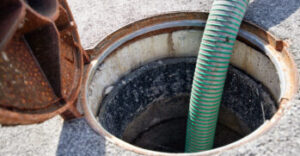
    Backed-up sewers can cause thousands of dollars in damage to floors, electrical systems, walls, furniture, and other belongings. Most homeowners may not realize that they are responsible for the maintenance and repair of their house or sewer lateral—that is, the pipeline between the city sanitary sewer main (which is usually located in the street) and the building. The sewer lateral is owned and maintained by the property owner and the homeowners responsibility includes any part of the lateral that extends into the street or public right of way. A cracked or deteriorated lateral or one filled with tree roots can allow groundwater to seep into the system, contributing to the problem.

    Here Are the Most Common Causes of Sewer Backups: 

    • Aging Sewer Systems
      The American Society of Civil Engineers indicates that the nation’s 500,000-plus miles of sewer lines are, on average, over thirty years old. The increase in the number of homes connected to already aging sewage systems has also contributed to rapid increases in sanitary sewer backups flooded basements and overflows.
    • Combined Pipelines
      Problems arise in systems that combine stormwater and raw sewage into the same pipeline. During many rain storms, the systems are exposed to more volume than they can handle, and this results in a sewage backup situation that allows sewage to spew out into basements and other low-lying drains.
    • Tree Roots
      Seeking moisture, small roots of trees, and shrubs make their way into the sewer line cracks and service pipe joints and can cause extensive damage or blockages as they grow larger. The cost of the cleanup will fall to the problem tree’s owner. When the issue results in a combination of city and private trees, the costs of damages may be divided between the city and the property owner.
    • Sanitary Main Blockages
      A blockage can occur in a city sanitary main. If the blockage is not detected in time, sewage from the main can back up into homes and businesses through floor drains. Usually, this happens slowly, and there are early indications of a problem. If you see seepage in the floor drains, it is best to call a licensed plumber to assess the situation. If water is entering your basement at a rapid rate, report the problem immediately to the city public works office.
    • Properly Dispose of Grease
      Cooking oil should be poured into a heat-resistant container and disposed of properly after it cools off, not in the drain. If not properly disposed of, the grease will solidify as it cools off and either enter the property owner’s line or the main sewer line causing the line to constrict and eventually clog.
    • Properly Dispose of Paper Products
      Paper towels, disposable (and cloth) diapers, hygienic wipes, and feminine products do not deteriorate quickly and can cause a great deal of trouble in the property owner’s lateral as well as in the main city line.
    • Periodically Cut Tree Roots
      If you have continuing problems with tree roots in your lateral, you may have to have the roots cut by a professional on a reoccurring basis.
    • Replace Your Line with New Plastic Pipe
      Plastic pipes will prevent tree roots from entering your line.
    • Correct Illegal Plumbing Connections
      Do not connect French drains, sump pumps, and other flood control systems to your sanitary sewer. It is illegal to do so, and debris and silt will clog your line. Consult a plumber to correct any pre-existing illegal connections.
    • Install A Backwater Prevention Valve
      A properly installed and maintained backwater valve allows sewage to go out, but not to come back in.

    Be sure to use a qualified plumber. A sewer backup can lead to disease, destruction of your valuables, damage to your house or business, and can even result in electrical malfunctions. Prompt cleanup of affected property can help minimize the inconvenience and prevent mold or further damage. If you experience a sewer backup situation, immediately arrange for the cleanup of your property. This should include wet-vacuuming or removal of spillage, mopping floors, and wiping walls with soap and disinfectant.

    What to Do If You Experience A Sewer Backup:

    • Flush out and disinfect plumbing fixtures
    • Steam clean or remove wet carpets or drapes
    • Repair or remove damaged wallboard or wall covering
    • Clean ductwork

    To facilitate a sewer backup claim, take “before” photos of your basement (or any area likely to be affected) and create a home inventory. If you have an incident, be sure to take “after” photos of the affected areas, itemize any property losses, and all receipts related to repair, cleaning, or damages.

    Be sure to contact a member of the Lawley team as soon as possible to help you access the damage and discuss coverage. 

  • 5 Myths About Flood Insurance

    5 Myths About Flood Insurance

    Did you know flooding is America’s most common natural disaster?

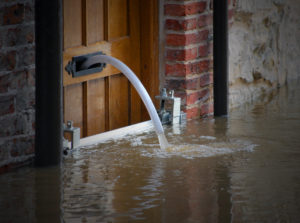
    Many people don’t realize how common and costly floods are, and thus many do not have flood insurance. This leaves a lot of renters, business owners, and homeowners vulnerable as just one inch of water can cause up to $25,000 in damage!

    Review these common myths to learn why flood insurance is so important to protect the life you’ve built.

    1. MYTH: You can’t buy flood insurance if you don’t live in a floodplain.
    Flooding can happen anywhere, not just in high-risk areas. Anyone in a participating National Flood Insurance Program (NFIP) community can purchase flood insurance.

    2. MYTH: You can’t buy flood insurance if you live in a high-risk flood area.
    Together with The National Flood Insurance Program, the team at Lawley can work with you to ensure you are properly covered. It’s important to know that it takes 30 days for a policy to go into effect; don’t wait until storms are predicted or underway.

    3. MYTH: Homeowners insurance includes flood insurance.
    Most Homeowners insurance typically do NOT include flood insurance. To protect your home from flood damage, you typically need a separate flood insurance policy. Business owners and renters should also purchase flood insurance to protect their property from flooding.

    4. MYTH: You can’t purchase flood insurance if your property has been flooded before.
    You can! You are eligible to purchase flood insurance after your home, apartment, or business has flooded if your community participates in the NFIP.

    5. MYTH: Federal disaster assistance will pay for flood damage.
    Disaster assistance is available only after a Presidential disaster declaration. When available, it may not cover the costs of all damage. Disaster assistance often comes in the form of a U.S. Small Business Administration disaster loan, which must be repaid with interest. Insurance is your best means of recovery from flooding.

    The team at Lawley Insurance to here to help you prepare for a flood and ensure proper coverage to protect you, your home, and your belongings.

  • Utility Line Coverage. Do I Need It?

    Utility Line Coverage. Do I Need It?

    Service lines allow for water, power, natural gas, and internet to be available to homes, businesses, and throughout a community. When service lines are damaged, it can cause a great disruption to services and property alike.

    Damage to Service Lines Can Be Caused By:

    • Tree roots
    • Digging accidents
    • Natural wear and tear
    • Leaks
    • Breaks

    To provide an understanding of where service lines may be hidden, it is highly recommended to call the national call-before-you-dig hotline, 811, before starting any project. By calling 811, a representative may visit your location to mark the location of buried lines with flags, lessening the chance of a line becoming damaged. Even if installing a new mailbox or fence, it is essential to understand the location of utility lines to avoid any issues.

    For homeowners, a disruption to the line can result in loss of personal services, damages to property, and a hefty financial burden. Unfortunately, most homeowners’ policies do not automatically include coverage for utility lines.

    It is critical you review your current policies and ensure you have proper coverage to help cover the cost of any potential damages. The Lawley team would be happy to understand your current homeowner’s policy and ensure you have proper utility line coverage.

  • WNY Businesses and Residents Impacted by Late December Blizzard Can Now Apply for A Disaster Loan

    WNY Businesses and Residents Impacted by Late December Blizzard Can Now Apply for A Disaster Loan

    Governor Hochul announced SBA to offer federal assistance to WNY businesses and residents impacted by late December blizzard.

    For eligible residents and businesses affected by winter storm Elliott in Erie, Cattaraugus, Chautauqua, Genesee, Niagara, and Wyoming counties, the U.S. small business administration is now providing access to low-interest loans to assist in the recovery from the storm.

    Governor Kathy Hochul stated “My heart breaks for the families who lost loved ones during this once in a generation blizzard that wreaked havoc on my hometown of Buffalo, and the lasting impacts of the storm have not gone away. New Yorkers who suffered infrastructure damages as a result of the storm will now be able to access services from the U.S. Small Business Administration. These critical resources, in addition to our request for President Biden’s approval for a Major Disaster Declaration, will help provide necessary assistance for our local communities still recovering.”

    The following groups may be eligible for SBA disaster loans:
    Homeowners: up to $200,000 to repair their primary residence
    Homeowners and renters: up to $40,000 to repair/replace damaged personal property
    Business owners: up to $2,000,000 for the replacement of real property, inventories,   machinery, equipment, and other physical losses
    Businesses and non-profits: Economic Injury Disaster Loans of up to $2,000,000 to provide necessary working capital until normal operations resume after a disaster

    To apply for a loan:
    New Yorkers can apply online, find additional information and download applications here. Applicants may also call SBA’s Customer Service Center at (800) 659-2955 or email disastercustomerservice@sba.gov for more information on SBA disaster assistance. Individuals who are deaf, hard of hearing, or have a speech disability, can dial 7-1-1 to access telecommunications relay services. Completed applications should be mailed to U.S. Small Business Administration, Processing and Disbursement Center, 14925 Kingsport Road, Fort Worth, TX 76155.


    The filing deadline to return applications for physical property damage is April 28, 2023.
    The deadline to return economic injury applications is November 27, 2023.


    More information on the program and how to apply for a loan can be found here.