Author: Lauren McDaniel

  • Surviving the Summer Heat

    Surviving the Summer Heat

    Summer heat can be more than uncomfortable—it can be a threat to your health, especially for older adults and children. Whatever your age, don’t let the summer heat get the best of you.

    Heat Exhaustion

    Heat exhaustion occurs when a person cannot sweat enough to cool the body, usually the result of not drinking enough fluids during hot weather. It generally develops when a person is playing, working, or exercising outside in extreme heat. Symptoms include:

    • Dizziness, weakness, nausea, headache and vomiting
    • Blurry vision
    • Body temperature rising to 101 F
    • Sweaty skin
    • Feeling hot and thirsty
    • Difficulty speaking

    A person suffering from heat exhaustion must move to a cool place and drink plenty of water.

    Heatstroke

    Heatstroke is the result of untreated heat exhaustion. Symptoms include:

    • Sweating
    • Unawareness of heat and thirst
    • Body temperature rising rapidly to above 101 F
    • Confusion or delirium
    • Loss of consciousness or seizure

    Heatstroke is a serious medical emergency that must be treated quickly by a trained professional. Until help arrives, cool the person down by placing ice on the neck, armpits and groin. If the person is awake and able to swallow, give them fluids.

    Tips for Staying Cool

    Below are some tips for staying safe in the heat:

    • Drink plenty of water. In hot weather, drink enough to quench your thirst. The average adult needs eight 8-ounce glasses of water a day, and even more during heat spells.
    • Dress for the weather. When outside, wear lightweight clothing made of natural fabrics and a well-ventilated hat.
    • Stay inside if possible. Do errands and outside chores early or late in the day to avoid peak heat times.
    • Eat light. Replace heavy or hot meals with lighter, refreshing foods.
    • Think cool. Take a cool shower or apply a cold compress to your pulse points. Try spending time indoors at an air-conditioned mall or movie theater.

    Health and wellness tips for your work, home and life—brought to you by the insurance professionals at Lawley.

  • Bring the Outdoors Into Your Work-From-Home Routine!

    Bring the Outdoors Into Your Work-From-Home Routine!

    Exposure to green spaces is linked to numerous physical and mental benefits—including improved attention, lower stress, and better mood. As such, spending time in nature can help remote employees be more focused, inspired, and creative. As part of National Park and Recreation Month, we want to provide some benefits of spending time outside during a workday. 

    Benefits of Time in the Outdoors

    Here are some ways time spent outside can support your mental health and overall well-being:

    • Boosts mood. Exposure to natural light stimulates your body’s production of mood-boosting vitamin D and serotonin. Studies also show that it can lower anxiety and depression.
    • Lowers stress. While just five minutes of being outside can lead to health benefits, the most significant impact comes from spending 20 to 30 minutes outside.
    • Regulates sleep. Sunlight regulates circadian rhythms to align with your body’s internal clock. As a result, going outside for a few minutes helps keep you awake and alert during the day, making it easier to get better sleep at night.
    • Improves mental capabilities. Spending time outside before starting tasks can help improve your memory and your ability to concentrate and focus.

    Ways to Incorporate the Outdoors to Working From Home

    Since outside time can be beneficial to your mental health, consider the following ideas to get started and incorporate the outdoors into your daily work-from-home routine:

    • Meditate outdoors for 10 to 15 minutes in the morning.
    • Move your workspace by a window so you can see greenery or be exposed to more natural light.
    • Add indoor plants or fresh flowers to brighten up your workspace.
    • Take regular activities outside, such as reading or working on your laptop.
    • Go on a lunchtime walk for a midday break.
    • Have a picnic lunch or dinner.
    • Try an outdoor workout class before or after the workday.
    • Take up gardening to regularly connect with nature.

    You don’t have to be outdoorsy to reap nature’s benefits. Find small ways to incorporate fresh air and sunlight into your daily schedule to improve your overall well-being. 

  • July is UV Safety Month!

    July is UV Safety Month!

    Skin cancer is the most common cancer in the United States, and the number of Americans who have had skin cancer at some point in the last three decades is estimated to be higher than the number for all other cancers combined. Most cases of melanoma, the deadliest kind of skin cancer, are caused by exposure to ultraviolet (UV) light. The sun’s UV rays can damage your skin in as little as 15 minutes. While there are several steps you can take to limit your exposure to the sun, proper sunscreen selection and application is critical.

    Sunscreen Labeling and Differences

    All sunscreen comes labeled with a Sun Protection Factor, or SPF, which is the measure of a sunscreen’s ability to prevent ultraviolet B (UVB) light from damaging the skin. SPF 15 filters out approximately 93% of all incoming UVB rays. SPF 30 keeps out 97% and SPF 50 keeps out 98%. Some sunscreen also protects against Ultraviolet A light, as well as UVB. This kind of sunscreen is called broad-spectrum.

    While you can find information online about calculating sun exposure times, keep in mind that duration equations are not always accurate, and SPF numbers are not supposed to help you determine the amount of time you can remain in the sun after initial application.

    Recent changes mandated by the Food and Drug Administration (FDA) have made choosing a sunscreen easier. Under the new rules, sunscreen can only claim to reduce the risk of skin cancer and early skin aging if it is both broad-spectrum and has an SPF of 15 or higher. Sunscreen that is not broad-spectrum or has an SPF of less than 15 can only claim to prevent sunburn and must include a warning stating it cannot prevent skin cancer or early aging.

    Sunscreen products also can no longer claim to be waterproof, only water-resistant, and labels must note a time limit of either 40 or 80 minutes before the sunscreen is ineffective.

    Sunscreen Recommendations

    While the FDA changes have cleared up confusion regarding the various types of sunscreen, how do you know what type is right for you? The answer can be found in sunscreen recommendations made by the American Academy of Dermatologists. Their suggestions include:

    • Choose a sunscreen with an SPF of 30 or higher
    • Choose a broad-spectrum sunscreen
    • Choose a water-resistant sunscreen
    • Reapply sunscreen at least every two hours, or more often if you’re sweating or jumping in and out of the water
    • Use approximately 1 ounce of sunscreen every time you apply so that you adequately cover your exposed body parts. This is roughly equivalent to a shot-glass full or a glob the size of a golf ball

    On top of these suggestions, it’s always important to keep in mind that:

    • The need for sunscreen is not diminished by where you live or your skin type or color
    • UV rays can penetrate both clouds and windows
    • Sunscreen expires. Sunscreen is designed to remain at its original strength for up to three years. Many bottles come with an expiration date
    • Even if you’ve done a lot of tanning or have been sunburned in the past, it is not too late to protect your skin from further damage
  • International Self-Care Day is July 24th!

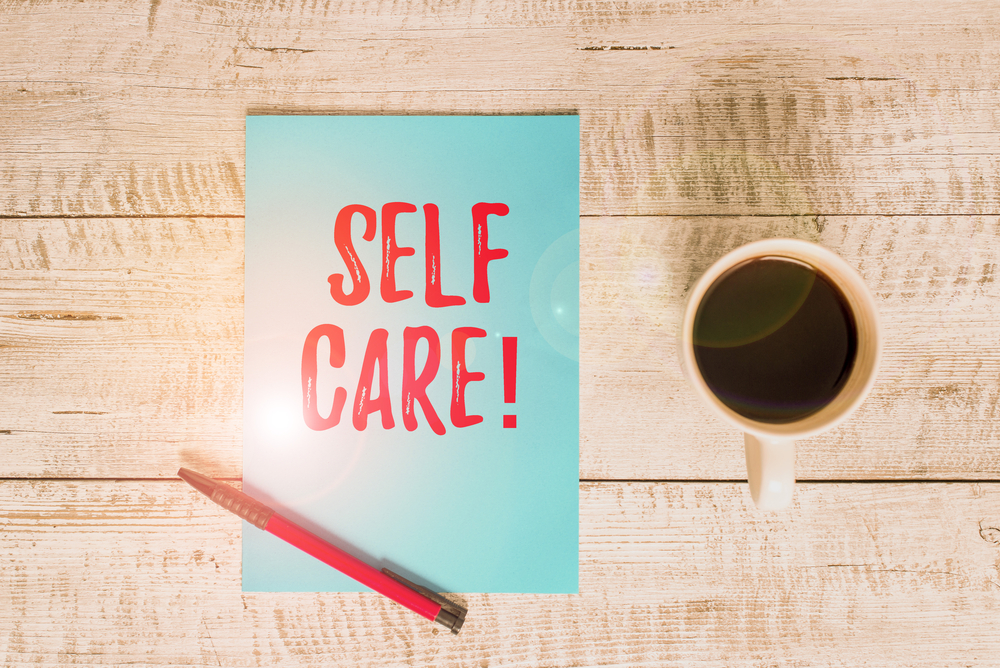
    International Self-Care Day is July 24th!

    International Self-Care Day is July 24th!

    Maintaining your mental health is an essential component of overall good health. One of the best ways to take care of your mental health is to practice self-care. Self-care includes taking time to do things that bring you happiness and improve your mood.

    While self-care looks different for everyone, here are a few tips to consider as you begin your journey:

    • Exercise regularly. Exercise releases endorphins, which are hormones in your body that improve your mood. Walking, running, weight lifting and other activities can have a positive effect on your mental health. Find something you enjoy.
    • Get restful sleep. Create a sleep schedule and stick to it, even on your days off. You may want to incorporate a nighttime routine that includes skincare, a bubble bath, or a cup of tea. Having a regular pattern each night helps you get more restful sleep and may improve your mood upon waking the next day.
    • Eat healthy foods and stay hydrated. Drink lots of water throughout the day and try to choose foods that healthily fuel your body. Finding new recipes that include nutritious foods can be a fun and engaging way to improve your diet.
    • Reach out to family, friends, and co-workers. Human connection can boost your mood, provide emotional support, and is essential to your mental health.  Consider getting together with co-workers outside of work, calling a family member, or scheduling coffee or dinner with friends.
    • Find activities that help you relax. Whether reading a book, trying a new yoga routine, or spending time outside, try to find a few activities that enable you to calm your mind. An escape from the constant busyness of life can also help improve your mental health.

    The Lawley Wellness team can help provide ways to promote consistent, healthy behaviors at the workplace. From health education seminars and assistance in health fairs, to the coordination of effective communications campaigns, the Lawley Benefits Group advocates for protection through proactive wellness. Learn more about Lawley’s Wellness Programs here.

  • Fruits and Vegetables for Disease Prevention

    Fruits and Vegetables for Disease Prevention

    Eating a diet rich in fruits and vegetables is not only important for maintaining a healthy weight and one’s general health, but can also help prevent chronic diseases and conditions like the following.

    Cardiovascular Disease

    Heart disease is the world’s leading killer. All fruits and vegetables are good choices for the prevention of heart disease and stroke, but the best choices are green leafy vegetables and citrus fruits.

    High Blood Pressure and High Cholesterol

    High blood pressure is a primary risk factor for heart disease and stroke. How fruits and vegetables lower cholesterol is still a bit of a mystery. However, some experts think that the soluble fiber in them helps block the absorption of cholesterol from other foods.

    Cancer

    It appears that eating more fruit may lower the risk of cancers of the esophagus, stomach and lungs, and reduce the risk of cancers of the mouth, pharynx, colon-rectum, larynx, kidney and bladder.

    Gastrointestinal Conditions

    Indigestible fiber that comes from fruits and vegetables is important for preventing intestinal ailments. As fiber passes through the digestive system, it soaks up water and expands. This can calm irritable bowels and decrease pressure inside the intestinal tract.

    Cataracts and Macular Degeneration

    Usually related to aging, a cataract is the gradual clouding of the eye’s lens. Macular degeneration is damage to the center of the retina. Dark green leafy vegetables contain two pigments (lutein and zeaxanthin) that aid in protecting the eye. In addition, the vitamin A found in carrots, cantaloupe and pumpkin aids in night vision.

    Birth Defects

    Neural tube defects (NTDs) are major defects of a baby’s brain or spine. Folate (folic acid) is a B vitamin used in the body to make new cells. Most NTDs can be prevented if a woman has enough of this in her body before becoming pregnant. Folic acid is found in asparagus, cooked spinach and certain fortified breakfast cereals.

    Other diseases and conditions that can be prevented are coronary artery disease and osteoporosis, as well as dental problems and skin infections. The next time you get hungry, consider eating a fruit or vegetable.

  • June is PTSD Awareness Month

    June is PTSD Awareness Month

    Anxiety disorders commonly occur in conjunction with other mental or physical illnesses, last at least six months and can get worse without treatment. There are many types of anxiety disorders, including: panic disorder, obsessive-compulsive disorder, post-traumatic stress disorder, social phobia, specific phobia and generalized anxiety disorder.

    Panic Disorder

    This condition is characterized by sudden attacks of terror—known as panic attacks—which are usually accompanied by a pounding heart, sweating, dizziness and/or weakness. During these attacks, sufferers may flush or feel chilled, their hands may tingle or feel numb and nausea or chest pain may occur. Panic attacks usually produce a sense of unreality, a fear of impending doom or a fear of losing control. They can occur at any time—even during sleep. About one-third of people who experience panic attacks become so fearful that they refuse to leave home. When the condition progresses this far, it is called agoraphobia—a fear of open spaces.

    Obsessive-compulsive Disorder (OCD)

    OCD sufferers have persistent, upsetting thoughts or obsessions, and use rituals to control the anxiety these thoughts produce. Most often, the rituals end up controlling the person with OCD. For example, if someone is obsessed with germs and dirt, they may develop a compulsion for excessive hand washing.

    Post-traumatic Stress Disorder (PTSD)

    PTSD develops after a traumatic event or experience that involved some sort of harm or the threat of it. PTSD is common in war veterans, but it can result from a variety of traumatic incidents, such as kidnapping, abuse or a car accident. People with PTSD may startle easily, become emotionally numb (especially to people with whom they used to be close), lose interest in things they used to enjoy, and become irritable, aggressive or violent. They avoid situations which remind them of the original incident, and anniversaries of the incident are usually very difficult.

    Social Phobia

    Also called social anxiety disorder, social phobia is diagnosed when individuals become overwhelmingly anxious and excessively self-conscious in everyday social situations. People with this phobia have an intense, persistent and chronic fear of being watched and judged by others and of doing things that will embarrass them. They may worry for days or even weeks before a dreaded situation. Many with social phobia realize that their fear is unwarranted, but are still unable to overcome it.

    Specific Phobias

    A specific phobia is an intense, irrational fear of something that actually poses little or no threat—such as heights, escalators, dogs, spiders, closed-in places or water. Like social phobia, sufferers understand that these fears are irrational, but feel powerless to stop them. The causes of these phobias are not well understood, but symptoms usually appear in childhood or adolescence and continue into adulthood.

    Generalized Anxiety Disorder (GAD)

    People with GAD go through the day filled with exaggerated worry and tension, even when there is little or nothing to worry about. GAD is diagnosed when a person worries excessively about a variety of everyday problems for at least 6 months. Physical symptoms accompanying this condition include fatigue, headaches, irritability, nausea, frequent urination and hot flashes.

    Diagnosis and Treatment

    In general, anxiety disorders are treated with medication, specific types of psychotherapy or both. Before treatment begins, a doctor must conduct a careful diagnostic evaluation to determine whether a person’s symptoms are caused by an anxiety disorder or a physical problem. Sometimes alcoholism, depression or other co-existing conditions have such a strong effect on the individual that treating the anxiety disorder must wait until those conditions are brought under control.

    Those with anxiety disorders usually try several different treatments or combinations of treatment before finding the one that works for them.

    How to Get Help

    If you think you have an anxiety disorder, the first step to take is to visit your physician. They can determine if your symptoms are caused by an anxiety disorder, another medical condition or both. If an anxiety disorder is diagnosed, you will be referred to a mental health professional.

    For more information, contact the National Institute of Mental Health (NIMH) at www.nimh.nih.gov or 866-615-6464.

  • World Blood Donor Day is 6/14

    World Blood Donor Day is 6/14

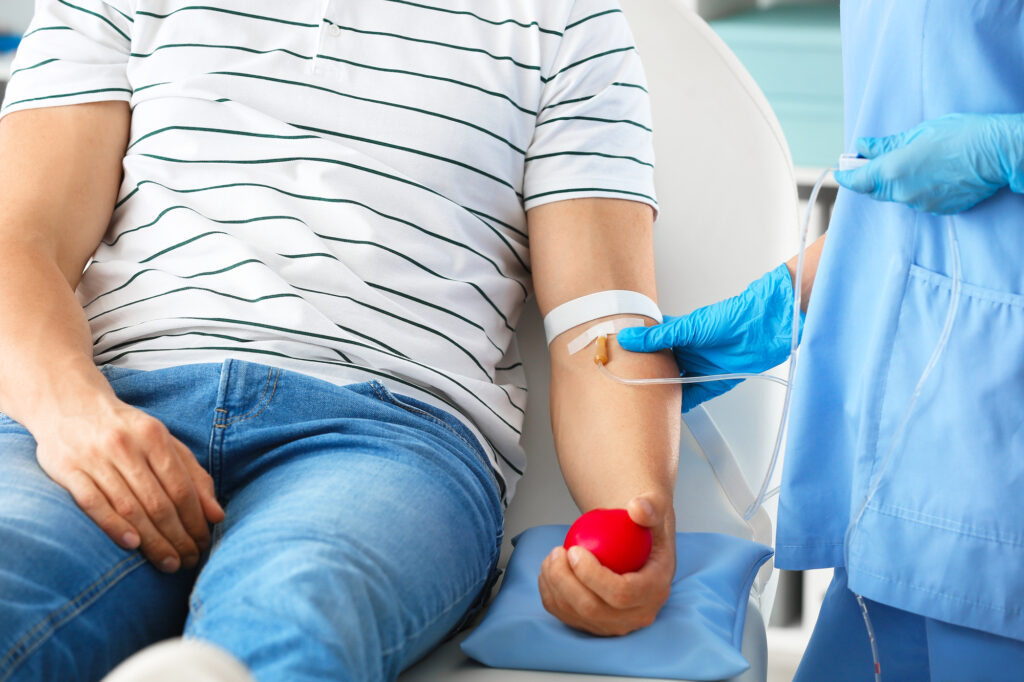
    Blood is needed for many reasons, including during emergencies and for people with cancer, blood disorders, sickle cell anemia and other illnesses. However, blood can only come from a volunteer donor—meaning donating blood can be the difference between life and death.

    Who can donate?

    In general, to donate blood, you must be healthy, at least 16 years old (in most states), weigh at least 110 pounds and not have donated blood in the past 56 days.

    Women who are pregnant are not allowed to donate. If you recently traveled outside of the United States, you will be asked a series of questions to determine eligibility.

    Is donating blood safe?

    Absolutely. The needles and bags used to collect the blood are sterile, only used once and then discarded.

    Can I donate if I’ve been turned down before?

    Yes, you should try to donate again. Most reasons for donors being turned down are only temporary (for example, due to recent travel outside of the United States or a recent immunization).

    Should I give blood now or wait until I am called?

    If you want to donate, don’t wait. Eligible donors are encouraged to donate as often as possible. To schedule an appointment, call 1-800-RED-CROSS.

    How long does it take to donate?

    Donating blood takes about an hour and 15 minutes. The process starts with registration, a health history and a mini-physical. Then, if eligible, you move on to the actual donation, which usually only takes about eight to 10 minutes. The final step is enjoying refreshments while your body adjusts to the slight decrease in fluid volume.

    How much blood is taken—will it make me weak?

    You will only lose approximately one pint of blood. The vast majority of donors do not feel any different after their donation. A small percentage of people feel lightheaded, dizzy or have an upset stomach after donating blood. Your body will replace the lost fluid within 24 hours.

    How can I ensure a pleasant donation experience?

    To ensure a positive experience, try the following tips:

    • Get a good night’s sleep before donating.
    • Eat a good breakfast or lunch before you donate.
    • Make sure you have adequate iron levels by eating iron-rich foods such as clams, spinach, beef and poultry.
  • Understanding the Importance of Disability Insurance

    Understanding the Importance of Disability Insurance

    According to data from the Social Security Administration (SSA),  one in four working adults will become disabled before reaching retirement age,

    Unfortunately, many workers are unprepared to lose their income or unable to afford unexpected medical expenses. Income or job loss due to illness or injury can be devastating for you and your family.

    Disability benefits can be vital if you experience a qualifying disability or illness, and often offer a much-needed safety net that allows you to pay bills and provide for your family when you’re unable to work.

    What Are Disability Benefits?

    Disability benefits provide guaranteed income or job protection when you’re unable to work due to serious illness or injury. The illness or injury can be either temporary or permanent, and it does not need to be work-related to qualify for disability benefits. Some of the most common causes of disability for U.S. workers include chronic illness, pregnancy, anxiety, and depression.

    While disability benefits are often voluntary, your employer may be required to participate in federal or state-mandated disability benefits programs.

    Why Is Disability Insurance So Important?

    The risk of disability is greater than most employees realize. When you become disabled and lose time at work, your source of income can be eliminated. In addition to lost income, you’re most likely faced with an increase in medical expenses to address your disabling injury or illness. Rising medical costs related to treating chronic conditions, disabilities, and serious injuries make disability insurance more critical than ever.

    Types of Disability Insurance

    Disability benefits can take many forms. While STD and LTD insurance are the most common, long-term care insurance, critical illness insurance, and paid leave programs are also types of disability benefits. Understanding the different types of disability benefits—and their value—can help you evaluate and determine which disability insurance meets your needs and offers you adequate protection.

    Short-term Disability Insurance

    STD is a type of disability coverage that can help you remain financially stable should you become injured or ill and cannot work. Usually, STD coverage begins within one to 15 days of the event causing your disability or illness. This coverage allows you to continue to receive pay at a fixed weekly amount or a set percentage of your income, typically 40% to 70% of your base pay.

    In most circumstances, an STD insurance policy is paid either fully or partially by your employer, and usually lasts for about 10 to 26 weeks, although policies vary. When STD coverage ends, LTD coverage typically takes effect.

    Long-term Disability Insurance

    LTD is a type of disability insurance coverage that pays you a set percentage of your regular income after a specified waiting period. For example, if you’re covered under STD as well, your LTD insurance would start once the STD insurance policy is exhausted, typically after three to six months. While you generally receive 60% to 80% of your base pay, some LTD insurance plans offer more limited income replacement benefits.

    LTD insurance protects you in the event you become disabled for a prolonged period prior to retirement. LTD benefits requirements tend to be more rigorous than STD because you must demonstrate you’re unable to perform any job, not just the job you were working prior to your illness or injury. LTD policies are often offered through employers as part of a standard benefits package.

    The length of LTD plans varies; some may be limited to a period between two and 10 years, while other plans continue paying out until age 65.

    Long-term Care Insurance

    Long-term care insurance provides you with coverage to treat chronic illnesses and disabilities outside of a hospital when you can no longer care for yourself. These policies cover services such as home health care, nursing home care, hospice care, assisted living facilities care, and respite care. Long-term care insurance can help you safeguard your financial future.

    Critical Illness Insurance

    Critical illness insurance provides you with a fixed lump-sum payment after being diagnosed with an illness that’s covered under your policy. These policies may cover conditions such as kidney disease, stroke, heart attack, and cancer. Payments are made directly to you and can be used to cover deductibles, co-payments, household expenses, and other costs. Typically, you are responsible for paying the premium for critical illness insurance.

    State and Federal Disability Benefits

    In some instances, you may be entitled to disability benefits under state or federal law. For example, the Federal and Medical Leave Act provides eligible employees of covered employers with up to 12 weeks of unpaid, job-protected leave for certain family and medical reasons. Under the Americans with Disabilities Act, employers must consider providing disabled employees with reasonable accommodations. Leave from work may be an accommodation as long as it’s reasonable and doesn’t create an undue hardship for the employer. Additionally, if you experience a work-related injury and illness resulting in a disability, you may be entitled to workers’ compensation benefits. Such benefits are mandated in most states and provide you with wage replacement and medical benefits. The SSA also provides disability benefits to workers as long as their disability will last for at least 12 months.

    Several states have enacted their own leave-related laws, many of which provide you with job-protected leave if you are injured or become disabled.

    What Is Supplemental Disability Insurance? 

    Traditional medical insurance typically doesn’t cover every expense related to an injury or illness. Bills and expenses can continue to add up, especially if you have to stop working and lose your income. Additionally, the policy offered by your employer may not be enough to cover your financial needs in the event of a disability or injury. Supplemental insurance is additional coverage that can help you pay for whatever expenses may not be covered by your medical plan or employer’s disability policy.

    If you decide that coverage offered through your employer-sponsored group plan does not adequately meet your personal needs, you should contact an independent agent or carrier to inquire about individual disability insurance coverage.

    If you have more questions about our disability insurance benefits and/or what options are best for you, please visit our  Paid Family & Medical Leave page or contact us today at 800.860.5741. 

     

  • Ensure Spine Health With Good Posture

    Ensure Spine Health With Good Posture

    Maintaining good posture is a simple yet effective way to keep the structures in the back and spine in good working order. Good posture and back support are essential in reducing back and neck pain. Even sitting at a desk all day can wreak havoc on the back and neck, resulting in pain.

    Good Posture

    The Cleveland Clinic Department of Patient Education and Health Information defines posture as the position in which a person holds their body upright against gravity. Good posture involves training the body to stand, walk, sit, and lie in ways to place the least amount of strain on muscles and ligaments.

    There are many physical benefits to having good posture, such as:

    • Keeping your bones and joints in the correct alignment to ensure that muscles work properly
    • Decreasing abnormal wear on joint surfaces
    • Decreasing the stress on ligaments which hold the spine together
    • Preventing the spine from fixing in an abnormal position
    • Lessening fatigue
    • Preventing strains, backaches, and muscular pain

    Contributions to Bad Posture

    Though it is not a conscious decision most of the time, many workers have bad posture which can result in injuries. Here are some common behaviors that contribute to bad posture:

    • Shoulders hunched forward while slouching
    • Forming a “swayback” (also known as lordosis) in which there is an inward curve in the lower back
    • Carrying a heavy load on one side of the body
    • Cradling a phone receiver between the neck and shoulder
    • Slumping or sliding in a forward position in a chair

    Helpful Solutions

    Want to ease strains and prevent back and neck pain? Here are some helpful tips for standing, sitting and lying down:

    Standing Properly:

    • Put your chin in and keep your head up
    • Keep your earlobes in line with the middle of your shoulders
    • Keep shoulder blades back and chest forward
    • Keep your knees straight and tuck in your stomach
    • Extend your head towards the ceiling

    Sitting Properly:

    • Place your shoulders back and your back straight
    • Evenly distribute your body weight on both hips
    • Bend your knees at a right angle and keep your feet rested flat on the floor
    • Adjust chair height to sit close to your workstation
    • Do not twist at the waist to grab something, turn your entire body
    • Avoid sitting in the same position for more than 30 minutes

    Lying Down Properly:

    • Lie in such a way to maintain the curve in your back such as on your back with a pillow under your knees
    • Place a lumbar pillow under your lower back or on your side with the knees bent
    • Sleep on a firm mattress with a box spring that does not sag
  • Asthma: Managing Your Condition

    Asthma: Managing Your Condition

    Asthma is a serious and occasionally fatal disease. However, with a careful diagnosis, expert medical treatment, and responsible self-care, most people with asthma lead normal, healthy lives.

    Causes

    It is not exactly clear what causes asthma. Those who seem more at risk of developing the condition include individuals with a family history of asthma or allergies or those who were exposed to tobacco smoke, infections, and certain allergens early in life.

    Symptoms

    Common asthma symptoms include the following:

    • Wheezing (a whistling or squeaky sound when breathing)
    • Chest tightness
    • Shortness of breath
    • Faster or noisy breathing
    • Trouble breathing & coughing, especially at night and in the early morning

    Attacks

    Many factors can lead to an asthma attack and some people may only have an attack if a combination of triggers exist. Asthma triggers are essentially anything that makes symptoms appear or worsen, such as:

    • Allergens
      Animal dander (from skin, hair, or feathers), dust mites (contained in house dust), cockroaches, pollen from trees and grass, and mold (both indoor and outdoor)
    • Irritants
      Cigarette smoke, air pollution, cold air or changes in weather, strong odors from painting or cooking, scented products, strong emotional expression (including crying or laughing hard), stress, and exercise
    • Other triggers
      Medicines such as aspirin and beta-blockers, sulfites in food or beverages, gastroesophageal reflux disease (GERD) that causes heartburn and can worsen asthma symptoms, infections, and irritants or allergens that one may be exposed to at work, such as special chemicals or dusts

    Treatment

    Treatments for asthma include:

    • Self-management
      Make plans for controlling asthma daily and an emergency action plan for stopping attacks.
    • Avoiding triggers
      Remove dust-catchers from the bedroom and keep humidity levels in your home low. Consider using an air filter in the bedroom. Do not smoke cigarettes or spend time in environments where others are smoking and try changing your workouts to put less stress on your breathing.
    • Medication
      Use preventive (long-term control) and rescue (quick-relief) asthma medications;  allergy medications, and shots could be recommended as well.

    Prognosis

    There is no cure for asthma, but with proper treatment:

    • Your asthma can be controlled.
    • You will have fewer attacks.
    • You should not need to use quick-relief medicines as often.
    • You should be able to do normal activities without having symptoms.