Author: Lauren McDaniel

  • Asthma: Managing Your Condition

    Asthma: Managing Your Condition

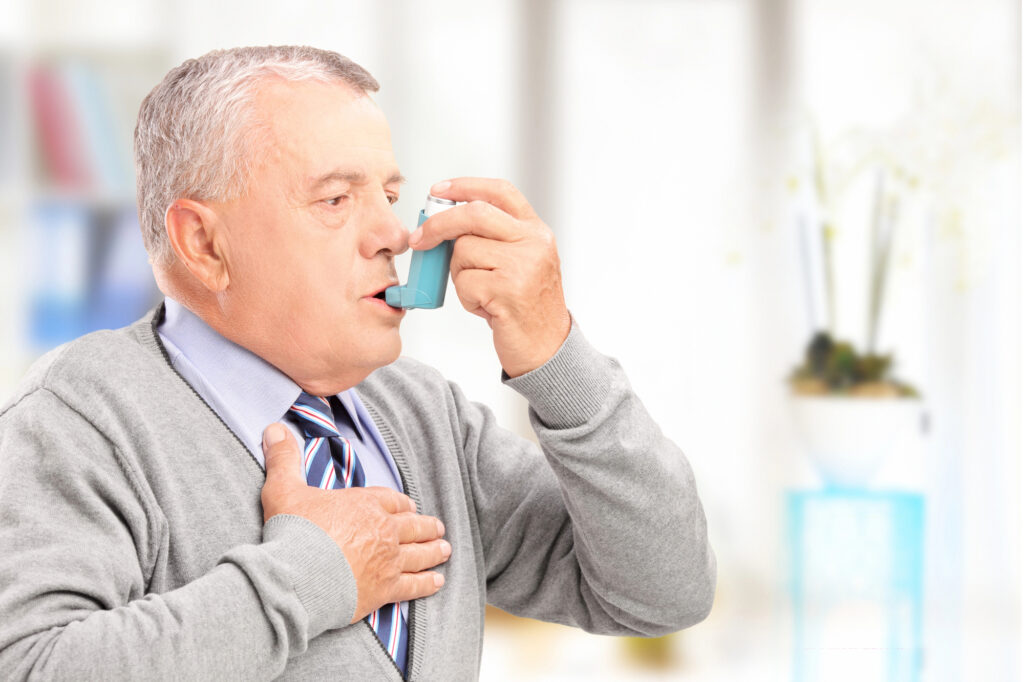
    Asthma is a serious and occasionally fatal disease. However, with a careful diagnosis, expert medical treatment and responsible self-care, most people with asthma lead normal, healthy lives.

    Causes

    It is not exactly clear what causes asthma. Those who seem more at risk of developing the condition include individuals with a family history of asthma or allergies or those who were exposed to tobacco smoke, infections and certain allergens early in life.

    Symptoms

    Common asthma symptoms include the following:

    • Coughing that is often worse at night or early in the morning
    • Wheezing (a whistling or squeaky sound when breathing)
    • Chest tightness
    • Shortness of breath
    • Faster or noisy breathing
    • Trouble breathing, especially at night and in the early morning

    Attacks

    Many factors can lead to an asthma attack. Some people may only have an attack if a combination of triggers is present. Asthma triggers are essentially anything that makes symptoms appear or worsen, such as:

    • Allergens—Animal dander (from skin, hair or feathers), dust mites (contained in house dust), cockroaches, pollen from trees and grass, and mold (both indoor and outdoor)
    • IrritantsCigarette smoke, air pollution, cold air or changes in weather, strong odors from painting or cooking, scented products, strong emotional expression (including crying or laughing hard), stress and exercise
    • Other triggersMedicines such as aspirin and beta-blockers; sulfites in food or beverages; gastroesophageal reflux disease (GERD) that causes heartburn and can worsen asthma symptoms; infections; and irritants or allergens that one may be exposed to at work, such as special chemicals or dusts

    Treatment

    Treatments for asthma include:

    • Self-managementMake plans for controlling asthma daily and an emergency action plan for stopping attacks.
    • Avoiding triggersRemove dust-catchers from the bedroom and keep humidity levels in your home low. Consider using an air filter in the bedroom. Do not smoke cigarettes or spend time in environments where others are smoking and try changing your workouts to put less stress on your breathing.
    • MedicationUse preventive (long-term control) and rescue (quick-relief) asthma medications; sometimes allergy medications and shots are recommended as well.

    Prognosis

    There is no cure for asthma, but with proper treatment:

      • Your asthma can be controlled.
      • You will have fewer attacks.
      • You should not need to use quick-relief medicines as often.
      • You should be able to do normal activities without having symptoms.

  • The Difference Between Mental Health & Mental Illness

    The Difference Between Mental Health & Mental Illness

    May is Mental Health Awareness Month, a national campaign designed to raise awareness about mental health issues and reduce the stigma surrounding mental illness. Mental health issues and mental illness are common. According to the National Institute of Mental Health, nearly 60 million U.S. adults lived with mental illness in 2021.

    Your mental health is as important to your overall well-being as your physical health, but it’s often overlooked. Similarly, mental illness often goes untreated or undiscussed. According to Mental Health America, over half of adults with mental illness don’t receive treatment.

    Although mental health and mental illness are related, they aren’t the same. Mental illness can contribute to poor mental health and vice versa, but it’s possible to have poor mental health without a diagnosable mental illness just as it’s possible to have good mental health with a mental illness. This article explains the difference between mental health and mental illness.

    Understanding Mental Health

    Mental health describes your psychological state of well-being. This includes how you feel, think and interact with others. But your mental health doesn’t just impact your mood and cognition; it also affects your physical health. Poor mental health can cause digestive issues, headaches, insomnia, fatigue and other physical symptoms.

    Everybody has mental health, just like everyone has physical health. Your mental health can change over time and may be influenced by numerous factors, including:

    • Stress
    • Burnout
    • Grief
    • Physical or mental fatigue
    • Financial hardship
    • Physical health

    Although mental health may look different for everyone, it’s often measured by one’s ability to:

    • Cope with stress, change, and adversity
    • Maintain healthy relationships
    • Participate in productive activities (e.g., school and work)

    Poor mental health can develop into mental illness if symptoms are unmanaged. This can cause distress and the inability to function in everyday activities.

    Improving Mental Health

    Just like physical health, mental health can be improved with positive lifestyle choices. The following are ways to better your mental health and improve your overall well-being:

    • Practice relaxation exercises, such as meditation, journaling, and listening to music.
    • Make time for people who uplift you.
    • Take part in meaningful activities, such as volunteering or joining a recreational sports club.
    • Spend time outdoors.
    • Take care of your body by exercising, eating well, and getting adequate sleep.

    Speak to a professional if you need someone to talk to. Even if you feel fine, they can help you proactively manage your mental health. 

    Understanding Mental Illness

    A mental illness is a diagnosable health condition that changes the way you think, feel or act. According to the Centers for Disease Control and Prevention, mental illness is one of the most commonly diagnosed health conditions in the United States, affecting 1 in 5 Americans every year. Even if you don’t have a mental illness, they could affect the people around you, including your friends, family, and co-workers.

    Similar to physical health conditions, mental illness can take many forms and range in severity. Examples of common mental illnesses include:

    • Depression disorder
    • Anxiety disorder
    • Post-traumatic stress disorder
    • Obsessive-compulsive disorder
    • Substance use disorder
    • Bipolar disorder
    • Schizophrenia disorder

    Mental illness can affect anyone, regardless of age, gender or background. The following factors may increase the risk of developing a mental illness in your lifetime:

    • Genetics
    • Alcohol or drug use
    • Trauma or abuse
    • Other chronic medical conditions (e.g., cystic fibrosis or cancer)
    • Loneliness

    Managing Mental Illness

    Mental illness is treatable and can be alleviated. Depending on your condition, successfully managing a mental illness may include a combination of healthy lifestyle choices and professional treatment.

    Here are some ways mental illness may be treated:

    • Talk therapy
    • Medication
    • Support groups
    • Exercise
    • Healthy lifestyle choices (e.g., eating and sleeping well)

    You don’t have to suffer with a mental illness alone. Seek professional support immediately if you’re struggling with a mental illness. You can also check with your employer for more information on available resources, such as an employee assistance program.

    Conclusion

    Everyone can take steps to better their mental health, but some mental illness is unpreventable. Understanding the difference between mental health and mental illness is crucial to ensure you get the proper support for your needs.

    For further mental health assistance, contact Lawley today.

  • Running for Good Health

    Running for Good Health

    Hitting the pavement geared up with your running shoes is great for your health and is a very inexpensive way to exercise. Running also fights the aging process, assists in weight loss, alleviates stress, and reduces blood pressure. Plus, it is one of the most effective forms of cardiovascular exercise for burning the most calories in the least amount of time.

    Here are some things to consider when starting your new routine:

    • Determine your baseline fitness level by calculating how long it takes you to run one mile. Then, create a program centered on your baseline and future goals.
    • Purchase running shoes with adequate support to alleviate the potential for injuries.
    • Schedule time in your daily routine to run and keep that schedule finite.
    • Create a log to track your progress. Once you reach pivotal benchmarks, re-evaluate your goals and your game plan.

    The physical benefits of running include:

    • Prevents muscle and bone loss
    • Reduces the risk of stroke and breast cancer
    • Fights the early stages of osteoporosis, diabetes and hypertension
    • Reduces the risk of blood clots
    • Boots the immune system
    • Improves lung capacity and physical endurance overtime

    The mental health benefits of running include:

    • Reduces stress and depression as your brain releases endorphins while you sweat

    Healthy Hints

    Don’t forget to warm up and cool down by walking or jogging slowly for 10 minutes before and after your run to prevent injuries.

  • CVSA Announces 2024 International Roadcheck Focus

    CVSA Announces 2024 International Roadcheck Focus

    The Commercial Vehicle Safety Alliance (CVSA) recently announced that this year’s International Roadcheck is scheduled for May 14-16, 2024. The International Roadcheck is an annual, three-day enforcement initiative that emphasizes the importance of commercial motor vehicle and driver safety through a blitz of high-visibility roadside inspections across North America.

    During the event, an influx of CVSA-certified professionals take to the roads to conduct the following North American Standard (NAS) inspections on vehicles:

    • Level I inspections consist of 37 steps, including an examination of commercial vehicles’
      mechanical fitness and drivers’ operating requirements. This is the most common type of inspection during the event.
    • Level II inspections generally include everything that can be checked without getting physically under the vehicle.
    • Level III inspections include a review of driver requirements, such as a commercial driver’s license, vehicle documentation, cargo, a record of duty status and other requirements.
    • Level V inspections are equivale are not present. These normally occur after an incident or arrest.

    The CVSA also establishes a specific emphasis each year for inspections. Last year’s focus was on vehicles’ anti-lock braking systems (ABS) and cargo securements, while this year’s focus is on alcohol and controlled substance possession and tractor protection systems.

    This year’s focus serves as a reminder for motor carriers to implement transparent policies aimed at preventing drug and alcohol usage and possession within the workplace, including within commercial motor vehicles (CMVs).

    This specific focus is driven by the following:

    • A recent surge in prohibited drivers recorded in the U.S. Federal Motor Carrier Safety Administration’s Drug and Alcohol Clearinghouse
    • The ongoing prevalence of alcohol and controlled substance possession and consumption throughout North America

    In addition to robust enforcement and policies, carriers are urged to adhere to the annual Clearinghouse query requirements to verify drivers’ prohibited status.

    CVSA’s additional emphasis on tractor protection systems aims to raise awareness about crucial vehicle components that are sometimes neglected during routine inspections. These components include anti-bleed back valves, tractor protection valves, and trailer supply valves.

    Don’t let your organization become another statistic during this year’s event. For more commercial driving resources and insurance solutions, contact us today.

    The content of this News Brief is of general interest and is not intended to apply to specific circumstances. It should not be regarded as legal advice and not be relied upon as such. In relation to any particular problem which they may have, readers are advised to seek specific advice.
    © 2024 Zywave, Inc. All rights reserved.
  • Stress and Your Skin

    Stress and Your Skin

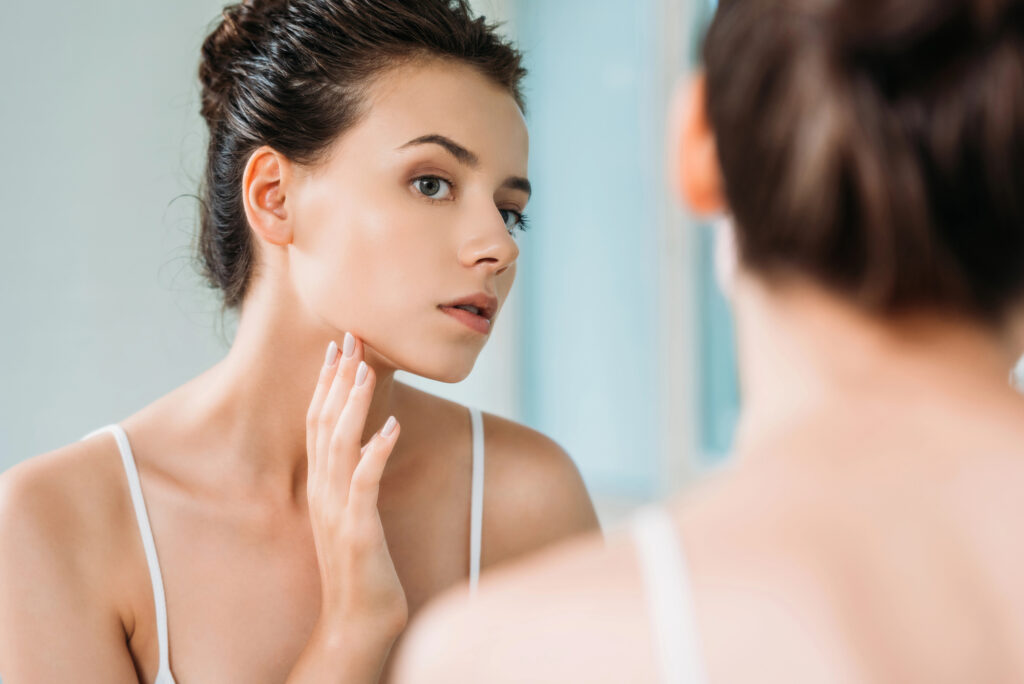
    According to the American Academy of Dermatology (AAD), our internal feelings about ourselves can affect how we look on the outside. The key to healthy skin lies far beyond the type of soap we use. Feelings of stress can affect how the skin ages by influencing certain processes in the body that lead to oxidation and inflammation.

    Chemical processes in the body produce molecules called free radicals. These enemies of the skin can damage healthy cells in a process called oxidation. Factors such as sun exposure, smoking, air pollution, poor diet and excess stress can speed up the production of free radicals.

    The body also produces antioxidants that remove free radicals from the body before they can do any damage. By taking care of yourself and reducing your stress, you can increase the production of these molecules to save the look of your skin.

    Skin and Stress Connection

    Stress can have the following effects on the skin:

    • Adrenaline produced from anxiety redirects blood away from the skin to the muscles so that it becomes pale and washed out.
    • Anger, excitement, irritability and frustration releases chemicals that stimulate the sebaceous glands, which produce oil. This blocks pores and can cause acne to form.
    • Stress makes muscles tenser and prevents blood from bringing oxygen and nutrients to the skin. Tension can also slow the removal of waste from underlying tissue.
    • Excess strain slows down the cell turnover rate so new cells take longer to reach the skin. Consequently, a lot of their moisture is lost, making the skin look dull.
    • Constant stress increases cortisone secretion, which suppresses immunity. As a result, the skin is not as resilient, and can become more irritated by outside chemicals and pollutants.
    • Excess stress can make psoriasis and rosacea conditions worse and acne lesions more inflamed. It can also worsen fever blisters and dermatitis.

    Stress-free Skin Solutions

    • Try deep breathing techniques to calm yourself when feeling extremely stressed. Also, consider taking a yoga, Pilates or meditation course to relax your mind and body.
    • Seek out professional assistance through a psychologist or psychiatrist to identify what triggers in your life are causing anxiety and stress.
    • Visit a dermatologist to treat your specific skin problems. Clearer skin may start diminishing your stress.
  • Grocery Store Best Buys for Cost and Nutrition

    Grocery Store Best Buys for Cost and Nutrition

    Making nutritious food choices can be difficult on a limited budget. Choosing the foods you purchase carefully can help you maximize nutrition while sticking to your budget.

    Breads and Grains

    • Look for bargains on day-old bread and bakery products.
    • Buy regular rice, oatmeal and grits instead of the instant and flavored types.
    • Try whole-grain bread and brown rice to add nutrients and variety to meals.

    Vegetables and Salads

    • Look for large bags of frozen vegetables. They may be bargains and you can cook the amount you need, close the bag tightly and freeze the rest.
    • Foods at salad bars can be costly; most will cost less in the produce section. However, if you only need a small amount of a vegetable, buying at the salad bar can save money if it reduces the amount you waste.

    Fruits

    • Buy fresh fruits in season, when they generally cost less.

    Milk

    • Buy fresh milk in large containers (gallon or ½ gallon). These cost less than quarts.
    • Buy fat-free or low-fat milk to cut the amount of fat in your family’s diet. Note that children under 2 years of age should only be given whole milk.

    Meat and Poultry

    • Look for specials at the meat counter. Buying cuts of meat on sale can mean big savings for you.
    • Buy chuck or bottom round roast instead of sirloin. These cuts have less fat and cost less. (They need to be covered during cooking and cooked longer to make the meat tender.)
    • Buy whole chickens and cut them into serving-size pieces yourself.

    Dry Beans and Peas

    • You can use these instead of meat, poultry or fish to add variety to your diet. They cost less and provide many of the same nutrients. They are also lower in fat.
  • Women’s Health: Endometriosis

    Women’s Health: Endometriosis

    Endometriosis affects nearly 6 million women in the United States, making it one of the most common health problems in women.

    What is It?

    Endometriosis is a condition where endometrium, the tissue that lines the uterus, grows in other places in the body besides the uterus. It develops into small growths or lesions which respond to the menstrual cycle in the same way uterine lining does. Most endometriosis is found on or under the ovaries, behind the uterus, on the tissues that hold the uterus in place, on the bowels or on the bladder. Endometrial growths cannot leave the body, resulting in inflammation, internal bleeding and scar tissue. Sometimes the growths also form cysts in the ovaries.

    Causes and Risk Factors

    There is no known cause for endometriosis, but a few risk factors have been identified:

    • Never had children
    • Periods that last more than seven days
    • A short monthly cycle
    • A family history
    • Damage from an infection in the pelvis

    Signs and Symptoms

    The most common symptom of endometriosis is pain in the abdomen, lower back and pelvis. Other indicators of the disease may be:

    • Intensely painful menstrual cramps
    • Pain during or after sex
    • Painful bowel movements or painful urination during menstrual periods
    • Heavy and/or long menstrual periods
    • Spotting and/or bleeding between periods
    • Infertility
    • Fatigue

    Treatment

    There is no cure for endometriosis, but several treatments are available for the pain and the infertility it may cause:

    • Pain medication
    • Hormone therapy such as birth control pills or progestins
    • Surgery

    Prevention

    Since its cause is not known, it is difficult to know what can prevent endometriosis. However, some studies have shown that exercising regularly and avoiding large amounts of alcohol and caffeine can lower the chances of its onset. For more information, visit the Endometriosis Association at www.endometriosisassn.org.

    Source: The Office of Women’s Health, U.S. Department of Health and Human Services

  • Colorectal Cancer Awareness

    Colorectal Cancer Awareness

    Colorectal cancer is the fourth most common cancer, excluding some types of skin cancer, and the fourth leading cause of cancer-related deaths for adults in the United States, according to the Centers for Disease Control and Prevention. Colorectal cancer occurs in the colon or the rectum, and it is often curable if the cancerous polyps are found early. As such, the U.S. Preventive Services Task Force (Task Force) recommends that adults receive regular screening for colorectal cancer at age 45.

    This article provides an overview of colorectal cancer, screening tests and other ways to reduce your risk.

    Onset

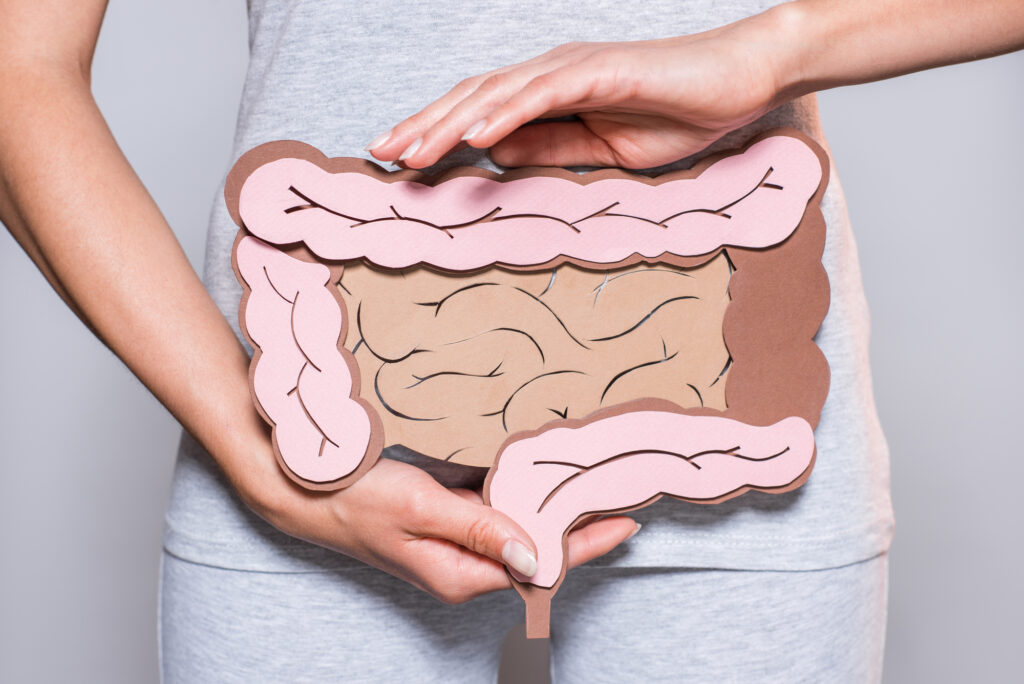
    Colorectal cancer begins in the tissues of the colon or rectum. Normally, they grow and divide to form new cells. When this process goes wrong, new cells can form before the body needs them or old cells do not die. These extra cells can form a mass of tissue, creating a tumor. Tumors can be benign (noncancerous) or malignant (cancerous). When colorectal cancer spreads outside the colon or rectum, it is usually found in nearby lymph nodes and the liver.

    Risk Factors

    Your risk of getting colorectal cancer increases as you get older. Other risk factors include:

    • Inflammatory bowel diseases, such as Crohn’s disease or ulcerative colitis
    • A family history of colorectal cancer
    • Tobacco use
    • Type 2 diabetes
    • Alcohol consumption
    • Lack of physical activity
    • A diet low in fruit and vegetables
    • A low-fiber and high-fat diet or a diet high in processed meats (bacon, hot dogs, etc.)
    • The presence of colorectal polyps (growths on the inner wall of the colon or rectum)

    Testing for Cancer

    Screening tests are crucial to find polyps or cancer before symptoms are experienced. Regular screening, beginning at age 45, is the key to preventing colorectal cancer and finding it early. The Task Force recommends that adults ages 45 to 75 be screened for colorectal cancer. It also recommends that adults age 76 to 85 talk to their doctor about screening.

    There are several screening tests available, including a colonoscopy, a digital rectal exam and stool tests. Should a test’s results suggest cancer, a complete physical exam and/or a biopsy will likely be recommended.

    Symptoms

    The most common sign of colorectal cancer is a change in bowel habits, such as having diarrhea or constipation, finding blood in the stool or discovering stools are narrower than usual. Other symptoms include:

    • Feeling that the bowel does not empty completely
    • Having gas pains or cramps frequently, or feeling full or bloated
    • Losing weight for no reason
    • Feeling tired constantly
    • Nausea or vomiting

    Treatment

    The choice of treatment depends on the location of the tumor and the progression of the disease. Typical treatment consists of surgery, chemotherapy, biological therapy or radiation therapy.

    Prevention

    The best way to prevent cancer, in general, is to eat well and not smoke. Some factors, such as genetics, cannot be avoided, which is why it is important to be screened. When colorectal cancer is found early, the five-year survival rate is 91%.

    If you have any symptoms of colorectal cancer, talk to your doctor to find out what is causing them. Regular screening is the key to preventing this type of cancer. If you’re over age 45, whether you have symptoms or not, be sure to schedule a screening appointment.

    Click here to learn more about colorectal cancer.


  • The Ketogenic Diet & How It Can Work For You

    The Ketogenic Diet & How It Can Work For You

    Many people want to lose weight, but struggle to do so. Eating healthier and exercising more are nice ideas, but sometimes you need more structure, more detail or more guidance in order to really make progress.

    One option that has been growing in popularity in recent years is the ketogenic diet, commonly referred to as keto.

    What Is Keto?

    A more familiar term for some people that is somewhat related to keto is the Atkins diet. Popularized in the 1970s, the Atkins diet encouraged its participants to cut carbohydrates. Its general ideas and concepts have been incorporated into many other dietary plans in the years since.

    The ketogenic diet calls for a very low amount of carbohydrates to be consumed and replaced with lots of proteins and good fats such as meat, eggs, cheese, fish, nuts, butter, oils and seeds. Participants should also consume a high amount of vegetables. Keto is intended to be a short-term diet focused on weight loss rather than overall health benefits.

    Outside of being used as a weight-loss method, keto has also been shown to reduce seizures in children.

    How Does It Work?

    In short, keto aims to help you lose weight by having your body burn stored fat for energy due to the absence of carbohydrates. Most cells in your body prefer to use blood sugar, which comes from carbohydrates, as their main source of energy. But, with a reduced supply of daily carbohydrates, your body eventually runs out of its preferred fuel source and has to draw from somewhere else.

    Without the necessary carbohydrates, your body will start to break down protein and stored fat to fuel itself. The fat is broken down into molecules called ketone bodies in a process called ketosis.

    Reaching ketosis generally takes two to four days, but the process can vary quite a bit for each individual. Some people might need an even more restrictive diet and more guidance in order to reach this step. For example, many people who try the keto diet are not selective enough about their food choices and tend to eat large amounts of poor-quality fats from processed foods without balancing their meals with fruits and vegetables.

    Aside from simply losing weight and inches off your waistline, benefits of the keto diet can include:

    • Increased metabolism
    • Less time spent feeling hungry
    • Increased muscle mass
    • Improved blood pressure
    • Decreased risk for heart disease

    What’s the Catch?

    During the keto diet, especially in the first week, you may have a number of side effects, which some doctors believe is due to sugar or carbohydrate withdrawal. These issues are sometimes referred to as the keto flu. Side effects include:

    • Headache
    • Fatigue or brain fog
    • Irritability
    • Constipation
    • Trouble sleeping
    • Nausea or stomachache
    • Dizziness
    • Sugar cravings
    • Cramps or muscle soreness
    • Bad breath

    People with diabetes should be careful when using the keto diet, as ketosis can be dangerous for diabetics. The build-up of ketones can change the chemical balance of your blood, causing it to become acidic and leading to possible coma or even death. This disorder is called ketoacidosis or diabetic ketoacidosis.

    If you have diabetes, make sure that you take enough insulin, stay hydrated and are particularly careful using the keto diet if you are sick or injured. Those without diabetes can still get ketoacidosis, as it is caused by alcoholism, starvation or an overactive thyroid.

    Contact your doctor if you experience the following symptoms:

    • Thirstiness or dry mouth
    • Excessive urination
    • Feeling tired
    • Dry or flushed skin
    • Nausea
    • Vomiting
    • Trouble breathing
    • Confusion
    • Fruity-smelling breath
    • Stomach pain

    Those with kidney problems should also be careful about the keto diet, as it can cause kidney stones. Keto can also be dangerous for people who are pregnant or nursing.

    What We Don’t Know Yet

    With the ketogenic diet being relatively new, there are still many aspects to it that we don’t understand and require more research.

    Keto is generally used as a short-term diet, and research is still unclear on the potential effects of using it for an extended period of time.

    Industry experts are also still in the process of researching the possibility that keto causes your body to need, and therefore make, less insulin. If true, it is possible that keto could help protect you against some types of cancer and even slow the growth of cancer cells.

    Other possible benefits of keto currently being explored include reducing acne, lowering the risk of heart disease and even helping with certain brain disorders such as Alzheimer’s and Parkinson’s.

    The Road to a Healthier You

    While there are multiple possible benefits to keto, some of which we are still learning more about, most people who use keto do so to lose weight.

    Regardless of your motivation or goals, the diet can be complex. Talk to your doctor and work together to find out if keto might be the correct path for you to take toward a healthier life.

  • Winter Self-Care Tips

    Winter Self-Care Tips

    Amid the chill of winter and shorter days during the colder months, it’s crucial to prioritize self-care to maintain overall well-being. Winter self-care goes beyond cozy blankets and warm beverages; it’s about intentionally nurturing your mind and body during this season.

    The National Institute of Mental Health defines “self-care” as taking the time to do things that help you live well and improve both your physical and mental health.

    Self-care looks different for everyone, so choosing activities that bring you joy is important. Finding the most effective practices may involve a process of trial and error. This article explores the importance of winter self-care and provides practical tips to help you build mindful and fulfilling winter habits.

    The Importance of Winter Self-care

    A regular routine of looking after your body and mind helps you stay strong physically, mentally and emotionally for the demands of daily life. Winter often brings challenges like reduced daylight, colder temperatures, the winter blues and, potentially, seasonal affective disorder. Therefore, embracing self-care during this season is essential for maintaining mental and physical health. Consider the following benefits of self-care in the winter:

    • Improved mood and emotional resilience
    • Enhanced energy levels
    • Reduced stress and anxiety
    • Strengthened immune system, lowering the risk of winter illnesses
    • Better sleep quality

    Taking Care of Yourself During the Winter

    Winter brings unique challenges, but you can thrive during this season with the right self-care practices. Such rejuvenating winter habits can leave you feeling cozy, refreshed and ready to conquer the warmer days ahead. Try these self-care tips during the winter months:

    • Prioritize hydration. In the colder months, it’s easy to forget about staying hydrated. The dry air can take a toll on your skin and overall well-being. Men should get about 3.7 liters (15.5 cups) of fluids daily, and women need about 2.7 liters (11.5 cups). Maintain adequate water intake and combat winter dryness by sipping on warm herbal teas, infused water or even hot soups to keep yourself well-hydrated.
    • Nourish your body with seasonal foods. Opt for nourishing, seasonal foods that support your immune system and provide comfort. Add winter vegetables like sweet potatoes, brussel sprouts, and butternut squash to your meals. These foods are nutritious and contribute to a cozy winter dining experience.
    • Move your body. Maintaining an active lifestyle is vital to well-being, even during winter. Indoor exercises, winter sports or even a brisk walk in the cold air can invigorate your body and mind. Prioritizing physical activity as part of your self-care routine ensures a holistic approach to health.
    • Ensure sufficient rest. The longer nights of winter provide an excellent opportunity to prioritize sleep. Create a relaxing bedtime routine and ensure your sleep environment is conducive to rest. Quality sleep is a cornerstone of self-care, and it becomes even more critical during the winter months. According to the American Academy of Sleep Medicine, most adults need at least seven hours of sleep each night.
    • Create a cozy sanctuary. Enhance your living space with elements that promote warmth and relaxation. Invest in soft blankets, scented candles or diffusers to create a comfortable sanctuary. Transforming your environment can positively impact your mood and overall well-being.
    • Embrace outdoor activities. Don’t let the winter chill keep you indoors all the time. Bundle up and engage in outdoor activities like winter walks, ice skating or skiing. Even in smaller doses, fresh air and sunlight can do wonders for your mental health.
    • Establish a relaxing evening routine. Develop a soothing evening routine to unwind before bedtime. This could include reading a book, practicing gentle yoga or enjoying a warm bath. A consistent evening routine can help signal to your body that it’s time to wind down, promoting restful sleep.
    • Practice mindfulness and meditation. Incorporate mindfulness practices into your daily routine. Whether it’s meditation or deep breathing exercises, these practices can help reduce stress, increase self-awareness and enhance your overall well-being.
    • Stay connected. The winter months can sometimes lead to social isolation. Make an effort to stay connected with friends and family. Schedule virtual gatherings, game nights or even outdoor meetups to combat feelings of loneliness and foster a sense of community.

    By incorporating winter self-care tips into your routine, you can transform the colder months into a season of rejuvenation, self-discovery and comfort.

    Summary

    Winter self-care is a holistic approach to nurturing your mind and body during the colder months. A robust self-care routine can enhance your well-being and help you embrace winter with a positive mindset. Keep in mind that self-care is an ongoing process, and finding what works best for you is key to a fulfilling and balanced winter season. These tips are a starting point for managing your mental health during the winter.

    Contact a trained health care provider if you or a loved one needs support with their mental health.