Author: Lauren McDaniel

  • May is Arthritis Awareness Month

    May is Arthritis Awareness Month

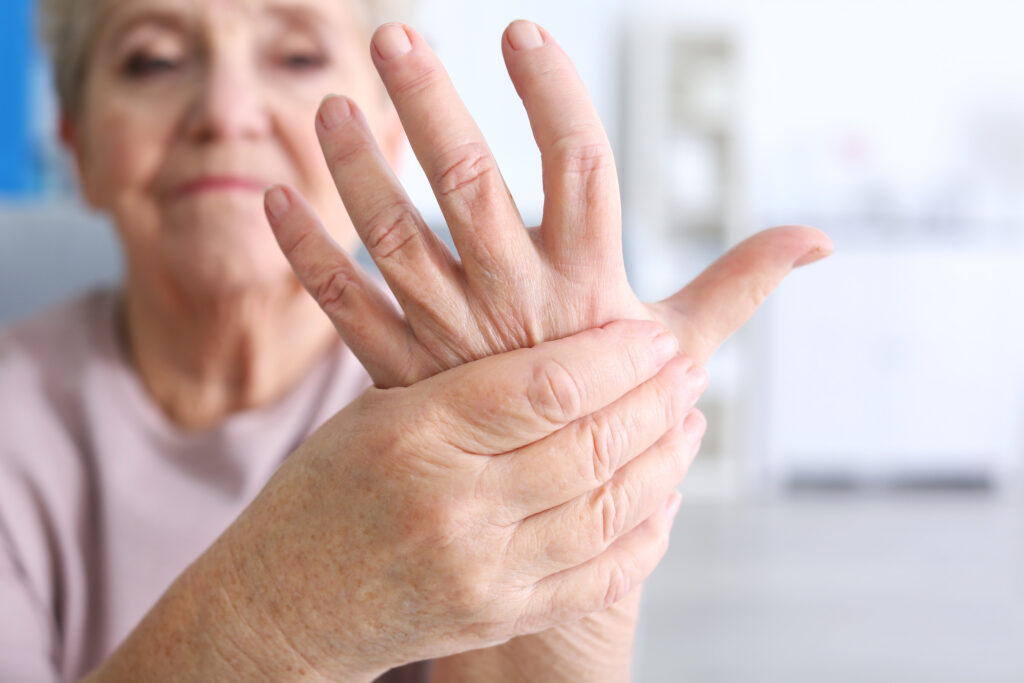
    Rheumatoid arthritis, one of the most common forms of arthritis, refers to inflammation of the membranes lining the joints. It is a systemic disease that affects the entire body, including the blood, lungs, and heart.

    Causes

    The cause of rheumatoid arthritis is unknown, but it is categorized as an autoimmune disease, which means the body’s natural immune system does not operate as it should. It attacks healthy joint tissues, causing inflammation, and subsequent joint damage. There are several factors that are believed to contribute to this disease, putting certain people at higher risk:

    • Genetics or hereditary factors—Certain genes in the immune system may be involved in determining if rheumatoid arthritis develops.
    • Environmental factors—Rheumatoid arthritis can be triggered by an infection, like a virus or bacterium in people who have an inherited tendency for the disease. However, it is not a contagious disease.

    Symptoms

    Rheumatoid arthritis causes inflammation of the joint linings, which leads to pain, swelling, stiffness, and loss of function. It can also cause inflammation of tear glands, salivary glands, and the linings of the heart and lungs. Symptoms of rheumatoid arthritis differ, but commonly include the following:

    • Inflamed joints that feel tender, warm, and swollen
    • Both sides of the body being affected at the same time
    • Inflamed joints that affect the wrist and finger joints closest to the hand. Other affected joints can include the neck, shoulders, elbows, hips, knees, ankles, and feet
    • Fatigue, occasional fever, and a general sense of not feeling well
    • Pain and stiffness that lasts for more than one hour after waking in the morning

    Treatment

    Highly effective drug treatments are available to treat rheumatoid arthritis, but early treatment is critical. Current treatment methods focus on relieving pain, reducing inflammation, stopping or reducing joint damage, and improving patient function and well-being. In addition, treatment usually involves some combination of exercise, rest, joint protection, and physical or occupational therapy. Surgery is an option if joints are damaged and painful. Overall, a balance of rest and exercise can help conserve energy, as well as maintaining range of motion and use of the joints.

    Self-care

    The following suggestions can help improve your health, outlook, and pain from rheumatoid arthritis:

    • Avoid excess stress on your joints; use larger or stronger joints to carry things.
    • Stay close to your recommended weight to relieve damaging pressure on hips and knees.
    • Pick, pour, or peel—Reach for a healthy treat like an apple or a tall glass of orange juice. Vitamin C and other antioxidants are important in reducing risk and progression of rheumatoid arthritis.
    • Start with breakfast—Give up the pastry and grab some fruit. Focus on fiber and drink a tall glass of water instead of coffee.
    • Get moving—Exercise to help reduce pain and fatigue, increase range of movement, and feel better overall.

  • Help Your Health with Humor

    Help Your Health with Humor

    Who doesn’t love a good belly laugh? The kind that makes your stomach ache, your cheeks hurt, and your eyes water.

    Not only is laughing fun, but it is also good for your health!

    Long-term benefits of laughter: 

    • Reduces stress hormones by releasing endorphins
    • Lowers blood pressure
    • Improves alertness, creativity, and memory
    • Increases the intake of oxygen while also stimulating the heart, lungs, and blood vessels
    • Improves the immune system
    • Acts as a natural painkiller

    Laughter enables the body and mind to relax, which can assist in getting through tough times.

    Give Yourself a Dose of Laughter

    Consider these ideas to incorporate some laughter into each day:

    • Watch a funny movie or television show
    • Play with your children or pets
    • Host a game night with family and friends
    • Listen to a comedian on your commute to and from work
    • Hang up silly pictures of your family and friends, comic strips, or jokes around your home and office

    You know what they say, laughter is contagious. So, spread some around to benefit your health and the health of those around you!

  • Alcoholism Awareness Month

    Alcoholism Awareness Month

    April is National Alcohol Awareness Month in America and provides an opportunity to increase awareness of alcohol addiction. The observance aims to bring an understanding of alcohol’s causes and the effective treatments available. This is also an opportunity for people to share their experiences with alcoholism, recover, and support others seeking recovery.

    ALCOHOL-RELATED ILLNESSES

    Those who drink alcohol excessively regularly may experience fatigue, short-term memory loss, and many other adverse health effects, including:

    Excessive consumption of alcohol (more than two drinks per day for a man under 65 and more than one drink per day for a woman under 65) can cause many health effects.  In the short term, alcohol depresses the central nervous system, lowers inhibitions, impairs speech, and reduces muscle coordination. In extreme amounts, alcohol can significantly depress the vital centers of the brain and can cause a coma.

    Liver Disorders

    • Heavy drinking can cause hepatitis (alcoholic inflammation of the liver), and after years of drinking, hepatitis can lead to scarring of the liver.

    Gastrointestinal Problems

    • Excessive alcohol consumption can result in inflammation of the stomach lining, which interferes with the absorption of B vitamins.
    • Heavy drinking can also damage the pancreas, which regulates metabolism and produces enzymes to help digest fats, proteins, and carbohydrates.

    Cardiovascular Problems

    • Heavy drinking can lead to high blood pressure and increase the risk of a heart attack.

    Diabetes Complications

    • Alcohol can increase the risk of low blood sugar because it prevents the release of glucose from the liver, which can be especially dangerous for those with diabetes who already experience problems with low blood sugar.

    Sexual Dysfunction and Irregular Menstruation

    • Heavy alcohol consumers who are male are at risk of erectile dysfunction, and female heavy drinkers can suffer from interruptions in their menstruation cycles.

    Birth Defects

    • Drinking alcohol while pregnant may cause fetal alcohol syndrome. This condition can cause developmental disabilities, heart defects, shortening of the eyelids, and other defects in children.

    Bone Loss

    • Alcohol can interfere with bone growth and increase the risk of fractures.

    Neurological Complications

    • Heavy drinking can cause numbness in the hands and feet and dementia.

    Increased Cancer Risks

    • Habitual alcohol use increases the risk of esophageal, laryngeal, liver, and colon cancer.

    In addition to the health risks of excessive alcohol consumption, alcohol abuse is also linked to:

    • Domestic abuse and divorce
    • Poor performance at work and school
    • Higher risk of motor vehicle crashes and drunk driving
    • Greater likelihood of other injuries as a result of being impaired by alcohol
    • Higher incidence of suicide

    The NIAAA Alcohol Treatment Navigator can help you recognize and find high-quality treatment for alcohol use disorder. If you drink excessively, seek medical help to plan a safe recovery, as sudden abstinence can be life-threatening.


  • Prevention For Testicular Cancer

    Prevention For Testicular Cancer

    MEN’S HEALTH: TESTICULAR CANCER

    Over 8,000 new cases of testicular cancer are diagnosed yearly, primarily affecting men between the ages of 20 and 39.

    Risk Factors:

    • A family history of testicular cancer
    • Age 
      • Younger men are more likely to develop the disease.
    • Race 
      • Testicular cancer is most common among white males.
    • An undescended testicle  
      • Even after corrective surgery
    • Congenital abnormalities 
      • Men born with irregularities of the testicles, penis, or kidneys and those with a hernia in the groin may be at an increased risk.
    • Prior history of cancer 
      •  The opposite testicle is at a higher risk.

    Diagnosis:

    Several methods can diagnose and identify the progression of testicular cancer:

    • A physical exam 
      • A thorough examination can rule out disorders other than cancer.
    • Blood tests 
      • Certain types of testicular cancer raise the level of specific substances in the blood. Blood tests that measure the levels of those substances are used to diagnose testicular cancer, and in some cases determine the extent of the disease.
    • Ultrasound 
      •  Imaging techniques can help indicate possible tumors.
    • Biopsy 
      • A pathologist examines a tissue sample under a microscope.

    Prognosis and Treatment:

    Although the amount of cases of testicular cancer has increased in recent years, more than 95% of cases can be cured. Treatment for testicular cancer depends on the type of tumor and stage of the disease and if detected early. In addition, when the cancer is detected early, treatment will often be less aggressive and produce fewer side effects. A combination of surgery, radiation therapy, and chemotherapy has one of the highest cure rates.

    Prevention:

    Most testicular cancers are first detected by the patient, either unintentionally or by self-examination. Routine testicular self-examination (TSE) increases a man’s chance of finding a testicular tumor. Locating a tumor this way can boost the odds of early intervention and a cure. Testicular tumors often feel like pea-sized, painless lumps or:

    • An enlarged testicle
    • A feeling of heaviness, hardness, or sudden collection of fluid in the scrotum
    • A dull ache in the lower abdomen or groin
    • Enlargement or tenderness of the breasts

     If you find a lump or experience any of the above symptoms, call your doctor immediately. For more information about how to conduct a proper self-exam, visit the Testicular Cancer Resource Center at http://tcrc.acor.org/.

  • Initiatives to Promote Nutrition

    Initiatives to Promote Nutrition

    Initiatives to Promote Nutrition

    As the adage goes, “You are what you eat.”—which means unhealthy food leads to unhealthy people.

    An unbalanced diet and poor nutrition can contribute to the following health problems:

    • Diabetes
    • Stroke
    • Hypertension
    • Gout
    • Obesity

    Nearly 35% of adults are obese—which, in turn, can increase the risks of heart disease, stroke, type 2 diabetes and certain types of cancer.

    The most effective way to minimize many of these health risks is to encourage your employees to adopt healthy, well-balanced diets. Good nutrition can positively affect their performance through the following ways:

    • Increased productivity
    • Increased mental cognition and focus
    • Reduced anxiety, stress, and depression

    Activities to Promote Wellness

    In order to achieve a well-balanced diet, there are two key ingredients: controlling portion size and choosing the best foods.

    To help make healthy, nutritious meal decisions, consider taking these steps:

    • With cafeteria and vending machine options, chose healthy, nutritious options such as nuts, fresh, and dried fruits, water or tea, leaner lunchmeats, and fewer frozen or microwavable meals.
    • Choose fresh fruit and whole grain breakfast options—avoid sugary treats such as donuts or toaster pastries. According to the Institute for Health and Productivity Management (IHPM), nearly one-third of people skip breakfast.
      Without some food—regardless of whether or not it’s nutritious—will have reduced energy, productivity and focus.

    A healthy diet can provide you with the energy and focus to be productive and efficient throughout the entire day!

  • Tips For Better Brain Health

    Tips For Better Brain Health

    6 TIPS FOR BETTER BRAIN HEALTH

    A brief lapse in memory, such as misplacing your wallet or forgetting a birthday, is often associated with being overly busy or having an excessive amount of stress. In fact, memory loss is a common part of aging. What can be problematic is when the episodes of forgetfulness increase and intensify into a more severe problem, such as mild cognitive impairment or even Alzheimer’s disease.

    This is why taking care of your brain health is essential. There are small daily efforts you can make to slow memory decline. Read on for six tips about taking care of your brain health.

    1.Exercise Daily

    Physically active people are less likely to experience a decline in their mental function, according to the Mayo Clinic. The increased blood flow to the brain during exercise aids the natural brain connections that occur during aging. A simple routine of 30 minutes of physical activity daily can help boost your brain health. Try choosing an activity that will increase your heart rate, such as hiking, playing tennis, or biking.

    2. Eat a Balanced Diet

    A balanced diet not only helps physical health but cognitive functions as well. Try to incorporate foods high in monounsaturated fats, polyunsaturated fats, and omega-3 fatty acids. These foods can include salmon, nuts, and avocados, for example. It’s also important to avoid foods high in trans and saturated fats, such as processed foods and fatty cuts of beef.

    3.Get a Good Night’s Sleep

    Sleep plays a vital role in overall health, including brain health. To get a good night’s sleep, you should aim for seven to eight consecutive hours of rest per night. This gives the brain a chance to detoxify and relax after each day, which is critical for a healthy brain and memory.

    A lack of sleep can be a detriment to your brain health. If you’re having trouble sleeping, it can be helpful to reach out to your doctor.

    4. Participate in Social Activities

    Regular social interactions can help decrease memory loss. This can especially be important if you live alone or work remotely. A simple way to incorporate social interaction into your daily life is to connect with loved ones such as family and friends. If you have time in your evenings, this could be a good opportunity to try a new hobby or class within your community.

    5. Activate Your Brain

    The more mentally stimulated you are, the better your brain’s overall function will be. To engage in mental stimulation, you can participate in activities such as reading, brain games, painting, and puzzles. If you’re looking for where to start with brain-stimulating exercises, reach out to your doctor for recommended resources.

    6. Receive Regular Check-ups

    Certain health factors, such as artery and vein health, are critical to brain health and function. By going to regular check-ups, you’re able to check your blood pressure, blood sugar, and cholesterol. Your doctor can tell you if these and other numbers are in a healthy range. If not, they can provide care to help you get your numbers in a healthy range.

    Conclusion

    Brain health significantly impacts your memory and cognitive function. Practicing these six habits can positively impact your brain’s health. If you have further questions about how to better the health of your brain, reach out to your doctor for more information.

  • March is National Sleep Awareness Month

    March is National Sleep Awareness Month

    The Impact of Sleep on Mental Health

    Not only is your physical health affected when you don’t get enough sleep, but it also takes a toll on your mental health. In fact, mental health and sleep are so closely related that a lack of sleep can often lead to issues such as anxiety or depression.

    Unfortunately, studies consistently show that Americans struggle to get a good night’s sleep. According to the Institute of Medicine, insomnia—a common sleep disorder that causes one to have trouble falling or staying asleep—occurs in 30 million Americans.

    This article explores the relationship between sleep and mental health and provides tips for getting a better night’s sleep.

    Side Effects of Lack of Sleep

    According to the American Academy of Sleep Medicine, you should get at least seven to eight hours of sleep per night. Lack of sleep or poor quality sleep can increase the risk of mental health disorders.

    According to a study published in Sleep Medicine, sleep disturbances were linked to higher levels of psychological distress. Further, sleep sharpens cognitive skills such as attention, learning and memory. As a result, inadequate sleep can impact a person’s ability to respond to minor stressors and events properly.

    Notably, depression and anxiety are some of the most common mental health issues linked to lack of sleep. Depression is a depressed mood or loss of interest in activities, causing significant impairment in daily life. According to the Anxiety and Depression Association of America, nearly 50% of people with depression are also diagnosed with an anxiety disorder. Anxiety refers to feelings of tension, worried thoughts and sometimes even physical changes such as increased blood pressure or heart rate. Generally, these or other types of symptoms are recurring with anxiety.

    Tips For A Better Night’s Sleep

    Sleep is important to your mental health and overall functioning. Consider the following tips for better sleep:

    • Keep a consistent sleep schedule.
    • Set a bedtime.
    • Only go to bed when you’re tired.
    • Establish a bedtime routine.
    • Make your bedroom quiet and relaxing.
    • Limit exposure to bright light in the evenings.
    • Turn off electronic devices at least 30 minutes before bedtime.
    • Don’t eat a large meal before bedtime.
    • Exercise regularly.
    • Maintain a healthy diet.
    • Avoid consuming caffeine in the afternoon or evening.
    • Avoid consuming alcohol before bedtime.
    • Reduce your fluid intake before bedtime.

    Takeaway

    Getting proper sleep is extremely important to improving and maintaining good mental health. For more information on how to improve your sleep habits or to address sleep issues, contact your doctor today.

    Additionally, if you’re concerned about your mental health, talk to your doctor, a licensed mental health professional or contact the Substance Abuse and Mental Health Services Administration’s National Helpline by calling 800-662-HELP (4357).

  • February is National Children’s Dental Health Month

    February is National Children’s Dental Health Month

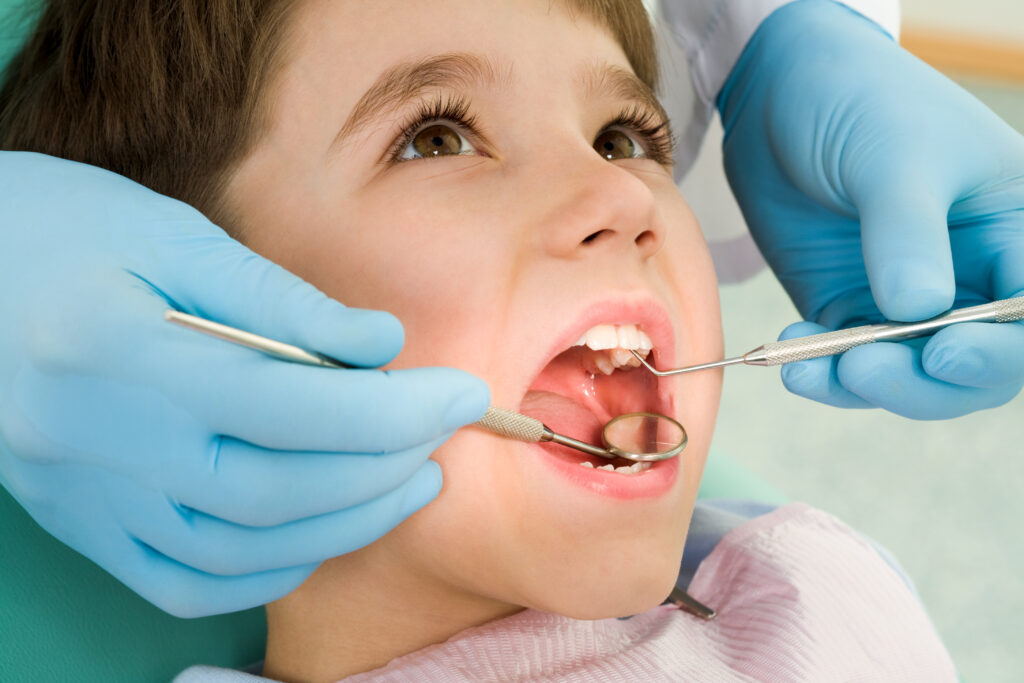
    Just because primary teeth fall out doesn’t mean children can go without dental care until their permanent teeth come in.

    According to the American Academy of Pediatric Dentistry, children should see a dentist when their first tooth appears and no later than their first birthday. Babies with dental problems due to trauma, disease or a developmental abnormality should see a dentist immediately.

    How can I care for my child’s teeth at home?

    A child’s first 20 primary teeth come in between the ages of 6 months and 3 years old. During this time it is important to start building good habits.

    • Start brushing your child’s teeth as soon as they come in. Brush their teeth for the first 4 to 5 years or until they seem able to do it alone.
    • If your local water supply does not contain sufficient fluoride, your child may need fluoride supplements. Discuss this with your dentist.
    • Do not put an infant or small child to bed with a bottle of juice or milk. The sugar and acids in these liquids can cause tooth decay.
    • Start flossing your child’s teeth as soon as they have two teeth that touch each other. Most likely you will need to assist your child with flossing until age 6 or 7.
    • Children who are prone to cavities may start using a mouthwash that contains fluoride when they are around 6 years old. Refrain from giving children mouthwash that contains alcohol. Also, make sure it is never swallowed.

    What is the best way to brush my child’s teeth?

    • When your child’s primary teeth begin to come in, brush them with a child-sized toothbrush and water.
    • Once the child is 2 years old, you can begin brushing their teeth with a pea-sized amount of toothpaste. Be sure they spit out the toothpaste and rinse with water so none is accidentally swallowed. Remember that some kinds of toothpaste are not recommended for children, so read the manufacturer’s label before purchasing.
    • Begin teaching your child how to brush their own teeth around age 2 or 3. You may still need to supervise or assist until they are around 6 or 7 years old to ensure that they are brushing effectively.
    • Replace your child’s toothbrush every 3 to 4 months—sooner if it appears worn.

    If you ever have questions about your child’s dental care, be sure to consult with your dentist

  • February is National Cancer Prevention Month

    February is National Cancer Prevention Month

    Initiatives to Fight Cancer

    According to the American Cancer Society (ACS), cancer is the second-highest cause of death in the United States. In addition, nearly 2 million people are diagnosed with some form of cancer annually. The battle with cancer can be long and leave diagnosed individuals weak in both the financial and medical realm. Though there are more than 100 types of cancer, the top three most common cancers across gender and race are as follows:

    • Prostate cancer – Prostate cancer is the second leading cause of cancer-related deaths in men. Every year, 1 out of 9 men are diagnosed with prostate cancer and 1 out of 41 men die from it.
    • Breast cancer – Breast cancer is the second leading cause of cancer-related deaths in women. Every year, 1 out of 8 women are diagnosed with breast cancer and approximately 41,760 women die from it.
    • Lung cancer – Lung cancer is the leading cause of cancer-related deaths in both men and women. Every year, 1 out 15 men and 1 out of 17 women are diagnosed with lung cancer, and an estimated 142,670 people die from it.

    Although cancer can’t always be prevented, it can be detected early, before it becomes an overwhelming financial and medical burden. Fortunately, early detection of cancer can potentially minimize those costs for your employees and your business.

    Activities and Programs

    The signs and symptoms of cancer are not always obvious to those who are undiagnosed, so early screening is important. Here are four programs that your business can implement to help your employees be proactive in identifying cancer.

    • Provide education to your employees about the benefits of cancer screening and recommendations for when to get screened.
    • Include these screening recommendations in a larger discussion about the importance of preventive care and recommended screenings.
    • Communication methods could include brochures, emails, traditional mail, posters and telephone reminders. For more information, contact Lawley.
    • Emphasize the necessity for patients to seek a diagnostic follow-up and treatment as needed.
    • Offer flexible work schedules so employees can take time to get the necessary screenings and to attend doctor appointments.
    • Set up on-site screening services, if possible. For instance, mobile mammography vans can provide convenient screening for women during the workday.
    • Ask your health plan carrier to send reminders to employees and providers when patients are due for a recommended screening. Patient reminders also provide a good opportunity for education on the health benefits of screenings.

    Proactive Behavior Can Save Lives and Money

    An estimated 14 million Americans are currently living with cancer, and nearly a quarter of them will lose their battles. The most effective solution to treating cancer is early detection. By encouraging your employees to get regularly screened and tested, they can live healthier, fuller lives, and your company can minimize health coverage costs.

  • Initiatives to Promote a Healthy Weight

    Initiatives to Promote a Healthy Weight

    National Healthy Weight Week is 01/15 – 01/21!

    Achieving and maintaining a healthy weight is important to an individual’s overall health. Being overweight can lead to serious health problems, affecting both the employee’s well-being and your company’s health care costs.

    Activities and Programs for Encouraging Healthy Weight

    Weight loss is typically achieved through the proper balance of exercise and proper nutrition, as well as appropriate peer support for an individual’s weight-loss efforts. Outlined below are ideas for activities and programs to encourage employees as they work to achieve and maintain a healthy lifestyle. Some initiatives will require an initial start-up effort and/or cost while others are simple and inexpensive to implement.

    Nutrition

    As a company, you can take several measures to support healthy eating habits.

    • Stock vending machines with healthy options. Replace sugary beverages with water, fruit juice and vegetable juice. Replace unhealthy snacks with pretzels, fresh fruit, low-fat popcorn and other nutritious options.
    • Provide healthy meals with fresh fruits and vegetables, low-fat proteins and whole grains in your cafeteria and at catered events, conferences and meetings.
    • Price non-nutritious options at a higher cost to encourage consumption of healthier choices.
    • Label foods in the vending machines and cafeterias to show serving size and nutritional content.
    • Provide educational materials and healthy eating reminders to employees via email, the intranet and social media.
    • Make drinking water easily accessible near vending machines to make choosing water instead of a sugary beverage more convenient.
    • Provide healthy recipes and cooking classes for employees and their families.
    • Offer employees the opportunity to purchase locally grown fruit and vegetables at the workplace (this could be a workplace farmers market or a community supported agriculture drop-off point).

    Physical Activity

    Physical activity burns calories, which is necessary for weight loss. You can implement a variety of initiatives to encourage employees to exercise during the workday and at home.

    • Install bicycle racks in convenient, accessible locations to encourage bicycling to work. Consider sponsoring a “bike to work” day and reward employees who participate.
    • Post motivational signs near elevators to encourage employees to take the stairs instead.
    • Create recreational company sports teams or walking clubs, or organize a company-sponsored team for a local run or walk event to help make exercise more fun.
    • Provide on-site fitness equipment, offer standing desks or build walking trails near the building for employees to use.
      • If on-site fitness is not an option, offer discounted memberships to local fitness centers instead.
    • Run programs or competitions to encourage activity, such as a pedometer walking challenge. Consider providing incentives for participation in physical activity and weight management or maintenance activities.
    • Instead of sitting down for meetings, host walk-and-talk meetings when it is nice outside.

    When designing wellness programs, employers must consider their legal obligations to disabled employees under the Americans with Disabilities Act (ADA). Under the ADA, an employer must generally provide reasonable accommodations that enable employees with disabilities to participate in the program and earn whatever incentives the employer offers.

    Support

    Adopting better eating and exercise habits requires a commitment and lifestyle change on the part of your employees. Use the following strategies to support your employees’ healthy lifestyle efforts.

    • Create a support group that meets weekly or an online forum where employees can encourage each other and share advice.
    • Design activities that feature partners or teams to encourage accountability and peer support.
    • Offer flexible work hours and breaks to enable employees to develop healthier, more active lifestyles.

    Encouraging your employees to live healthy lifestyles can help lower your company’s health care costs. Focus on implementing initiatives that address exercise and nutrition, as well as provide support, in order to keep your employees healthy.