Author: Lauren McDaniel

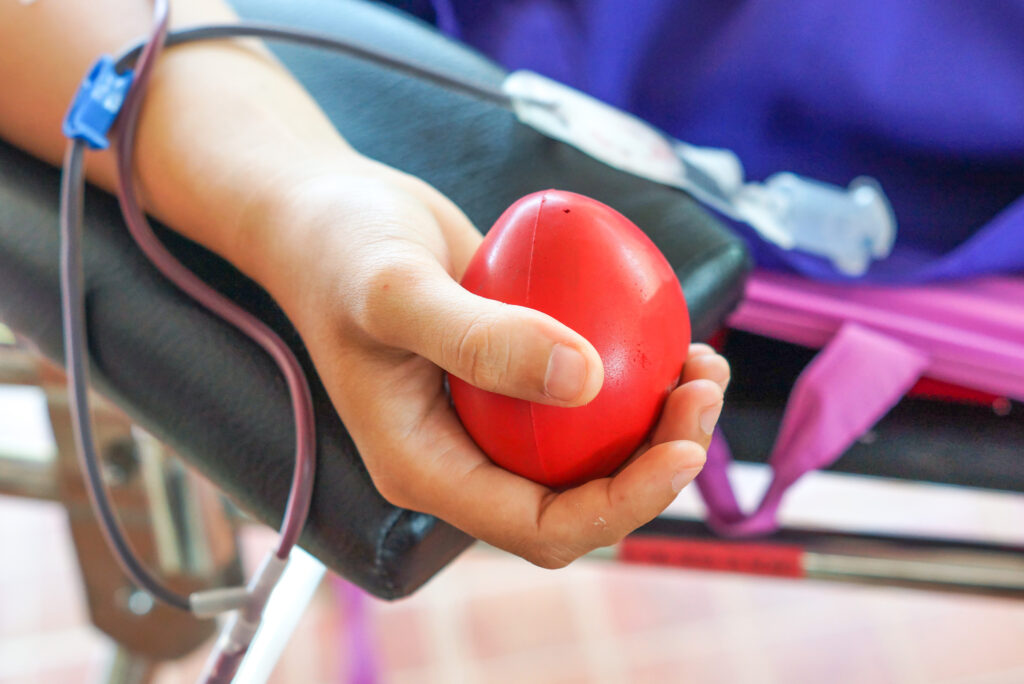
  • January is National Blood Donor Month

    January is National Blood Donor Month

    Blood is needed for many reasons, including during emergencies and for people with cancer, blood disorders, sickle cell anemia and other illnesses. However, blood can only come from a volunteer donor—meaning donating blood can be the difference between life and death.

    Who can donate?

    In general, to donate blood, you must be healthy, at least 16 years old (in most states), weigh at least 110 pounds and not have donated blood in the past 56 days.

    Women who are pregnant are not allowed to donate. If you recently traveled outside of the United States, you will be asked a series of questions to determine eligibility.

    Is donating blood safe?

    Absolutely. The needles and bags used to collect the blood are sterile, only used once and then discarded.

    Can I donate if I’ve been turned down before?

    Yes, you should try to donate again. Most reasons for donors being turned down are only temporary (for example, due to recent travel outside of the United States or a recent immunization).

    Should I give blood now or wait until I am called?

    If you want to donate, don’t wait. Eligible donors are encouraged to donate as often as possible. To schedule an appointment, call 1-800-RED-CROSS.

    How long does it take to donate?

    Donating blood takes about an hour and 15 minutes. The process starts with registration, a health history and a mini-physical. Then, if eligible, you move on to the actual donation, which usually only takes about eight to 10 minutes. The final step is enjoying refreshments while your body adjusts to the slight decrease in fluid volume.

    How much blood is taken—will it make me weak?

    You will only lose approximately one pint of blood. The vast majority of donors do not feel any different after their donation. A small percentage of people feel lightheaded, dizzy or have an upset stomach after donating blood. Your body will replace the lost fluid within 24 hours.

    How can I ensure a pleasant donation experience?

    To ensure a positive experience, try the following tips:

    • Get a good night’s sleep before donating.
    • Eat a good breakfast or lunch before you donate.
    • Make sure you have adequate iron levels by eating iron-rich foods such as clams, spinach, beef and poultry.

  • Eating Healthy During the Holidays

    Eating Healthy During the Holidays

    Holidays such as Thanksgiving, Christmas, and New Year’s bring to mind thoughts of family, friends, fun, and food. However, each year, millions of Americans struggle to balance indulging in holiday treats with making the healthy choice.

    Holiday Parties

    By following the healthy tips below, you can enjoy all your holiday parties, while also staying in control of your weight.

    • Do not leave the house on an empty stomach—it encourages overeating.
    • Avoid standing near the food table at parties, since it’s a sure-fire way to overindulge.
    • Make socializing your top priority; conversation will keep you occupied and away from the food.
    • Limit your drinking because alcohol can increase hunger and lower your willpower.
    • Provide a low-calorie alternative. For example, if you have volunteered to bring a dessert, bring fruit drizzled with chocolate instead of a cheesecake.
    • Listen to your stomach. Reduce your portion sizes and stop eating when you feel satisfied rather than stuffed.

    Cooking and Baking

    If you are the one hosting, use that to your advantage. Hosting puts you in control of what will be served. For example, substitute high-fat or calorie-laden ingredients with healthier choices, such as by using plain greek yogurt in place of sour cream or an egg substitute rather than a whole egg.

    There can also be a downfall when it comes to hosting: the temptation to sample the food while you are preparing it. To resist the urge to snack while cooking, try the following tips:

    • Chew a piece of gum or sip tea to reduce your urge to sample while you cook.
    • Prepare foods on a full stomach. You will not be as tempted to taste what you are making if you are full.

    Cocktails and Beverages

    Before you reach for the eggnog, remember that some mixed drinks may have as many calories as a dessert. Keep the following suggestions in mind when indulging in holiday spirits:

    • Pace yourself by drinking water or seltzer between alcoholic drinks. The more alcohol you drink, the more your temptation to snack increases.
    • Try drinking ice water with lemon or non-caffeinated soft drinks instead of alcoholic beverages.
    • Consume mixed drinks with diet soda, club soda, or tonic when possible.

    By following the strategies above, you can avoid putting on holiday weight and improve your well-being.

  • Selecting Safe Toys for Kids

    Selecting Safe Toys for Kids

    Making children smile with a new toy brings a lot of joy to parents and relatives during the holidays, on birthdays and for those “just because” occasions. But although toys are designed for play, not all of them are safe for children, depending on their ages and developmental progression. Review the following guidance to select safe toys for kids.

    Toy Safety Standards

    The U.S. Consumer Product Safety Commission requires toy manufacturers to meet specific safety standards and label products according to these specifications.

    Here are some suggestions of toys to avoid for children of various ages.

    Under 3 Years

    • Toys with small parts that are 1 ¾-inches or less in size, as these items can be easily swallowed or inserted into noses and ears
    • Toys with ribbons and straps that can strangle children or toys with sharp edges and points

    Ages 3-5

    • Toys made of plastic that can easily break into smaller pieces
    • Toxic art supplies that are not designed for use by children

    Ages 6-8

    • Toys that can break or that possess potential choking hazards

    Ages 9-12

    • Toys that are too dangerous for children to operate, such as a BB gun or slingshot

    Look at the Label

    Fortunately for consumers, toy manufacturers design product labels to reduce the guesswork for adults when they are trying to purchase a safe toy. That being said, always read the toy label before making your purchase.

    For more lifestyle guidance, contact us today.

  • Stick to a Budget this Holiday Season

    Stick to a Budget this Holiday Season

    The holidays can be a stressful time of year, and money is one of the leading causes of holiday anxiety for Americans.

    The best time for holiday budgeting begins early in the year, when smart shoppers account for expenses associated with the holiday gift season in their monthly budgets and buy presents here and there throughout the year.

    Additionally, resourceful budgeters flock to stores after Christmas to scoop up decorations at bargain bin prices with an eye toward future holidays. However, if you’re like most people, you likely have not planned very far ahead and could find yourself feeling the pinch in January. But don’t despair—with proper accounting and a handful of smart shopping ideas, it is possible to find the perfect gift for everyone on your list and stay within your budget.

    Here are a few pointers to help you stick to your holiday budget and manage your seasonal financial stress:

    • Make a list and check it twice. Review your shopping list carefully. Does everyone listed on it truly need to be there?
    • Set limits. Write down a maximum dollar limit for each person, vow to stay within that limit and then track how much you actually spend.

    Shop early. The best window for holiday shopping is between Oct. 1 and Dec. 1.

    • Buy in bulk. Have something on hand for those unexpected presents. A case of wine or elegant candles are great ideas.
    • Be realistic. Ask yourself if you can really afford to buy gifts—don’t feel obligated to buy them if you can’t afford them.
    • Talk to your friends and family about scaling back. Ask about doing a gift exchange instead of buying gifts for everyone. If you find these things too embarrassing or unworkable consider going the homemade gift route.
    • Shop online. Some of the best bargains won’t be found in stores. Many retailers will waive shipping costs during the holidays. Plus, why spend the days before your holiday celebrations wasting gas and battling crowds for items that may not be in stock?
    • Get a holiday job. Even with a good budget, the extra holiday shopping can pinch the pocketbook. Consider working a seasonal job.

    Using these tips can help you stick to your holiday budget, which, in turn, can help you keep your holiday-related stress in check. For more health and safety tips this holiday season, contact us today.


  • Thanksgiving Travel Tips

    Thanksgiving Travel Tips

    The holiday season is the busiest time of the year for long-distance travel. Flights are often overbooked and highways are overcrowded, which can add stress to the season.

    Keep Your Sanity

    To keep travel worries from ruining your holiday plans, reduce your stress by planning ahead. Use the following tips to help you stay in control during your trip.

    If you are flying:

    • Do not delay purchasing tickets. Make your reservations well in advance to make sure you have many flight times, prices and seats to choose from.
    • Choose your ticket wisely. Travel on off-peak days and during early morning hours whenever possible. Airports tend to be less crowded during these times, which will make it easier to get another reservation if your flight is canceled.
    • Call or check online to confirm that your flight is still on time before leaving for the airport.
    • Check in for your flight online, if possible, to avoid waiting in line at the airport.
    • Stay hydrated. Drink water frequently to avoid jet lag.
    • Pack wisely. Avoid checking luggage, but if you have to, keep prescriptions, glasses and other overnight basics in your carry-on bag in case your luggage gets lost. Keep in mind that most airlines charge fees for checking luggage.
    • Fight boredom. Pack activities to help pass the time, especially if traveling with children.

    If you are driving:

    • Be prepared. Have a mechanic examine your vehicle before your trip. Also, be sure to pack emergency and first aid supplies in case your car breaks down.
    • Know your route. Plot out your route before leaving, and bring a map. Make sure your phone is fully charged if you plan on using smartphone maps or bring along a GPS.
    • Save time. Try to do most of your driving during non-rush hour times to avoid the bad traffic.
    • Take a break. Rest every two hours and limit yourself to eight hours of driving each day. Stop at rest areas to walk around and stretch. Make more frequent stops if traveling with small children or pets.
    • Lay off the caffeine. Drink plenty of water and eat balanced meals. Drinking caffeine may make you crash a few hours later.
    • Wear safety belts at all times. When used correctly, they significantly reduce the number of serious traffic injuries and fatalities.
  • November is American Diabetes Month

    November is American Diabetes Month

    According to the Centers for Disease Control and Prevention (CDC), diabetes is the seventh-leading cause of death in the United States. More than 34 million Americans have diabetes, and 1 in 5 of them have not been diagnosed.

    What is diabetes?

    Diabetes is a chronic health condition that affects how your body is able to turn food into energy. The food you eat is broken down into sugar (glucose) and released into your bloodstream. As your blood sugar goes up, your pancreas releases insulin. This allows the blood sugar to enter your body’s cells for use as energy. A person with diabetes doesn’t make enough insulin or can’t properly use insulin. There are two main types of diabetes:

    • Type 1 diabetes occurs when your pancreas doesn’t produce enough insulin. This type of diabetes is usually diagnosed in children, teens and young adults, but it can develop at any age.
    • Type 2 diabetes occurs when your cells don’t respond normally to insulin, which is known as insulin resistance. Out of the 34 million Americans with diabetes, approximately 90%-95% of them have Type 2 diabetes.

    What are the symptoms of diabetes?

    Diabetes symptoms vary depending on how much your blood sugar is elevated. People with Type 2 diabetes may not initially experience any symptoms. However, those with Type 1 diabetes may experience severe symptoms that can develop in a short amount of time.

    Signs and symptoms of Type 1 and Type 2 diabetes may include:

    • Thirst
    • Frequent urination
    • Extreme hunger
    • Unexplained weight loss
    • The presence of ketones in the urine
    •  Fatigue
    • Blurred vision
    • Slow-healing sores
    • Frequent infections (e.g., gum, skin or vaginal infections)

    How can you address diabetes?

    In order to properly manage diabetes, it’s important to do the following:

    • Monitor your blood sugar—Carefully monitoring your blood sugar is the only way to make sure your blood sugar is within your target range.
    • Undergo insulin therapy, if prescribed—Many people with diabetes need insulin therapy to survive. There are multiple types of insulin available. Depending on your needs, your doctor may prescribe a mixture of insulin types to use throughout the day and night.
    • Eat healthy—Enjoy a diet rich in fruits, vegetables, lean proteins and whole grains, avoiding foods high in saturated fats and refined carbohydrates.
    • Stay physically active—Exercise lowers your blood sugar level by moving sugar into your cells where it’s used for energy. It’s important to aim for at least 30 minutes of aerobic exercise a day.

    Where can I learn more?

    If you are experiencing symptoms of diabetes, contact your doctor. For more information on diabetes, visit the American Diabetes Association website at www.diabetes.org.

  • November is National Healthy Skin Month

    November is National Healthy Skin Month

    The largest and most visible organ of the body is the skin. Your skin helps protect you from harmful organisms and regulates body temperature. Healthy skin plays an important role in physical well-being and leads to better overall health, so it’s essential to pay attention to the signs your skin is giving you.

    Follow along for more information on the importance of skin health.

    What Does Your Skin Do?

    Your skin serves multiple purposes for your body. It’s a complex organ that has many roles, such as:

    • Providing immunity
    • Covering and protecting internal body parts and functions
    • Releasing sweat
    • Synthesizing vitamin D
    • Making melanin
    • Allowing for differentiation between textures, temperatures, and more via touch

    There are three layers to the skin. These include the epidermis, dermis and hypodermis. The epidermis is the protective top layer that helps make new skin, protects your body and holds your skin’s color. The dermis helps you grow hair, tells you if something is too hot or cold, produces sweat, and supplies blood. The hypodermis is the innermost layer that cushions muscles and bones, has connective tissues, and regulates body temperature. Your skin is vital to your overall health, so knowing how to best take care of it is essential.

    How to Protect Your Skin

    There are basic ways you can protect your skin. Good skincare and healthy lifestyle choices can help delay physical signs of aging and various skin problems. Follow these tips to protect your skin and practice healthy habits:

    • Use sunscreen. A sunscreen with a sun protection factor of at least 15 is recommended. Sunscreen can help prevent skin damage. Reapply at least every two hours.
    • Don’t smoke. Smoking can age skin and contribute to wrinkles. Smoking damages collagen and elastin in the skin, depletes oxygen from the cells, and contributes to your risk of skin cancer.
    • Eat a healthy diet. Eating healthy can help nourish your skin. Eat plenty of fruits, vegetables, whole grains, and lean proteins to best care for your skin from the inside out. Also, drink plenty of water to keep your skin hydrated.
    • Manage stress. Stress can make your skin more sensitive and trigger acne breakouts. To encourage healthy skin, take steps to manage your stress levels. Habits such as getting enough sleep, setting limits to what you can take on, and making time for things you enjoy can help you manage stress.

    Learning how to best take care of your skin takes time. Take steps towards improving the health of your skin by practicing healthy habits daily.

    Conclusion

    Your skin is your body’s largest organ, serving multiple functions and allowing you to feel the world around you. It’s important to take good care of it.

    To discuss specific concerns about skin health, talk to your health care provider. For more wellness resources, reach out to your employer.

  • COVID-19 Capital Costs Tax Credit

    COVID-19 Capital Costs Tax Credit

    Governor Hochul recently announced additional relief for small businesses who incurred financial difficulty while implementing COVID-19 safety protocols. Small businesses with fewer than 100 employees are eligible for tax credits to help recover from these costs.

    The $250 million capital costs tax credit program is meant for those small businesses who were forced to comply with emergency orders as a response to the pandemic in order to remain open. Some of these requirements include:

    • Costs related to disinfectant supplies
    • Social distancing expansion projects
    • HVAC equipment
    • Outdoor space expansion
    • Purchases of contactless points of sale

    In order to fulfill these requirements many of these businesses suffered great financial loss which in turn negatively impacted their business operations. This tax credit is meant to help cover up to 50% of eligible costs, up to $50,000 for a maximum tax credit of $25,000; which can help alleviate some of the debt incurred.

    Keep in mind that eligible businesses must have less than 100 employees and must have had less than $2.5 million gross revenues in the 2021 tax year. The program will operate on a first come, first served basis and the application window will close on March 31, 2023.

    For more information, visit https://esd.ny.gov/covid-19-capital-costs-tax-credit

  • October is National Chiropractic Health Month

    October is National Chiropractic Health Month

    If you suffer from back pain, you’re not alone. Nearly 80% of people will suffer from back pain at some point in their lives, according to a study conducted by The Lancet Medical Journal. But just because you’re experiencing back pain now doesn’t mean you will be in pain forever. Consider these tips to manage the pain and start incorporating healthy habits for your back into your everyday routine.

    Maintain Correct Posture

    It’s beneficial to maintain a correct posture when performing physical activities. Such activities may include playing sports or performing a job that requires repetitive motions, such as lifting. If you’re sitting a lot during the day, avoid slouching by trying to keep your spine erect.

    Stretch Your Muscles

    Stretching can be a great way to relieve back pain. It’s also beneficial for preventing future issues. It’s essential to do a variety of stretches for your back, including:

    • Lying flat on your back and pulling your knees to your chest.
    • Lying flat on your back with your arms outstretched in a “T” position, bending one knee and twisting in the direction of your straight leg while trying to touch your bent knee to the floor.
    • Lying on your stomach with your arms stretched overhead and lifting your chest or legs off the floor.

    Consider Over-the-Counter Pain Relievers

    Over-the-counter pain relievers can help reduce back pain and any swelling. Drugs such as aspirin, ibuprofen and naproxen are the most recommended due to their anti-inflammatory properties. Be sure to check with your doctor before taking any medications for your back pain.

    Chiropractic Care
    Chiropractors mainly perform adjustments, which are also referred to as manipulations, of a patient’s spine, neck, hips and other body parts to realign the body. These adjustments are done with the intention of relieving pain, improving bodily function and encouraging self-healing. Chiropractic care is often referred to as a complementary health approach. In recent years, it has been recommended by physicians as a treatment method in lieu of prescribing opioids for musculoskeletal injuries or conditions.

    Explore All Options

    There is no one way to manage back pain. Everyone’s back is different, as is the root of back pain. Talk with your doctor about exploring options such as:

    • Physical therapy
    • Working with a chiropractor
    • Undergoing acupuncture
    • Changing your diet

    Not every type of care will fit your needs, so exploring your options is essential. You may even need a combination of options.

  • Halloween Safety for Children

    Halloween Safety for Children

    Halloween celebrations can come with a range of fun activities and lead to lasting memories for your children. However, these festivities can also carry serious safety risks. That’s why it’s important to have precautions in place to protect your kids from the risk of Halloween-related injuries or accidents. Keep reading for an outline of Halloween safety tips for your kids.

    Costume Precautions

    • Do not let children wear baggy or long costumes, as they are difficult to walk in and can be tripping hazards.
    • Purchase wigs, costumes and accessories that are fire-retardant.
    • Select face makeup and paint that is labeled as non-toxic and approved by the U.S. Food and Drug Administration to prevent allergic reactions.
    • Place reflective tape on your children’s costumes and candy buckets if they are going trick-or-treating at night.

    Trick-or-Treating Safety

    • Remind children to stay on the sidewalk and look both ways before crossing the street.
    • Do not allow children under 12 years old to go trick-or-treating by themselves.
    • Remind children to never approach or get into a car with a stranger offering them candy.
    • Once your children get home, inspect their candy to ensure it’s safe to eat.

    Pumpkin Carving Tips

    • Only carve pumpkins on a flat surface with adequate lighting, such as a kitchen table.
    • Use a pumpkin-carving kit that includes tools appropriate for the task.
    • Place lit jack-o’-lanterns away from flammable objects, such as sheets and curtains.

    Trick-or-Treating in Busy Areas

    In addition to these tips, make sure you take extra precautions when your children go trick-or-treating in busy areas. If you live near busy roads, consider only allowing your children to trick-or-treat during the day, or accompany children of all ages to keep them safe among fast-moving motorists.

    For additional lifestyle and well-being guidance, contact us today.