Author: Lauren McDaniel

  • Vision Care: Diabetic Eye Disease

    Vision Care: Diabetic Eye Disease

    Diabetics are at a significantly increased risk for developing a wide range of eye problems, including vision loss.

    Diabetic Eye Disease

    Diabetic eye disease refers to a group of eye conditions that can affect people with diabetes or pre-diabetes, as well as individuals with prolonged high blood sugar levels. These conditions all have the potential to cause severe and permanent vision loss or blindness. Diabetic eye disease includes the following conditions:

    • Diabetic retinopathy—damage to the blood vessels in the retina and is often a sign of damage to other organs
    • Cataracts—the clouding of the lens of the eye, which often develops earlier in diabetics
    • Glaucoma—an increase in fluid pressure inside the eye, leading to optic nerve damage. Vision loss is twice as likely to develop in a diabetic than in someone without diabetes

    Prevention

    Because diabetic eye disease often presents no warning signs, finding and treating it is challenging. If you have diabetes, make sure you have a dilated eye exam to allow your doctor to see the inside of your eyes and check for signs of disease at least once a year.

    Keeping your diabetes under control is the best way to control the development or progression of diabetic eye disease. Watch your diet, exercise regularly, monitor your blood sugar levels and take your diabetes medications. If you have already been diagnosed and treated for diabetic eye disease and are still experiencing vision problems, be sure to follow up with your doctor as soon as possible. If you are at high risk for diabetes and begin experiencing changes in your vision, especially blurred vision, having an eye exam and being tested for diabetes is extremely important.

    Treatment

    Medical treatment of diabetic eye disease is generally directed at the underlying problem—the diabetes. Better diabetic control dramatically decreases your chances of developing diabetic eye disease. Your eye care professional may also suggest laser surgery as a treatment option for conditions such as diabetic retinopathy. Laser surgery, along with the appropriate follow-up care, may reduce the risk of blindness by 90%. However, it cannot restore vision that has already been lost, which is why it is so important for diabetics and those at high risk to have annual eye exams.


  • Prenatal Care is Vital for Both Mother and Baby

    Prenatal Care is Vital for Both Mother and Baby

    Maternal Health Awareness Day is January 23rd!

    Learning about your pregnancy and getting proper prenatal care are the first steps in reducing risks for you and your developing baby.

    Prenatal Checkups

    One of the most important components of prenatal care is regular visits with your doctor. Regular checkups make sure you and your baby are progressing normally, and ensure that you both stay healthy throughout your pregnancy.

    The goal of prenatal checkups is to identify and treat potential problems early, such as anemia, preeclampsia or gestational diabetes. If these or other conditions are not treated, they can threaten your health and the health of your baby.

    Generally, your prenatal checkups will follow a consistent schedule:

    • Initial physical exams should be scheduled within one or two weeks after discovering (or thinking) that you are pregnant. This appointment confirms your pregnancy, determines your general state of health and screens you for any potential problems that may need attention.
    • Regular checkups are normal to have monthly during the first seven months of your pregnancy. You should use these checkups to ask your doctor questions about your pregnancy and progress, and any other concerns, symptoms or problems you are experiencing.
    • In the eighth month of pregnancy, you should have a prenatal checkup every two weeks, and every week in your ninth month. These more frequent, late-pregnancy exams are similar to your regular monthly checkups, but they will also check your cervix for softening and thinning. This helps track your labor and delivery progress.

    Other Prenatal Tips

    • Eat a well-balanced diet to ensure that your baby gets all the nutrients needed to develop properly.
    • Take prenatal vitamin supplements to ensure you are both getting the recommended daily allowance of essential vitamins and minerals.
    • Try eating smaller meals on a more frequent basis. Your growing baby, and expanding uterus can crowd your stomach and intestines, making it difficult to eat larger meals.
    • Drink plenty of fluids. It is also wise to avoid caffeinated drinks like coffee, tea, or soda.
  • January is Thyroid Awareness Month

    January is Thyroid Awareness Month

    About 20 million Americans suffer from thyroid disease, and approximately 13 million more are currently undiagnosed.

    About the Thyroid

    The thyroid gland is a small, butterfly-shaped gland located at the base of the neck, just below the Adam’s apple and right above the collarbone, surrounding the windpipe. The thyroid helps control the function of many of the body’s organs, including the heart, brain, liver, kidneys and skin, but it mostly helps to set the metabolism.

    The two types of thyroid disease are hyperthyroidism and hypothyroidism.

    Hyperthyroidism

    This disease refers to an overactive thyroid gland, which produces too much thyroid hormone. Symptoms include the following:

    • Goiters
    • Enlarged thyroid
    • Rapid heart rate
    • Nervous, anxious or irritable behavior
    • Trembling hands
    • Unexplained weight loss
    • Heat intolerance
    • Increased sweating
    • Hair loss
    • Diarrhea
    • Sleeplessness
    • Fertility issues

    Hypothyroidism

    Hypothyroidism occurs when the thyroid gland produces less than the normal amount of thyroid hormone, resulting in the decrease of many bodily functions. When the metabolism slows due to hypothyroidism, the following may occur:

    • Fatigue
    • Unexplained weight gain
    • Dry skin and hair
    • Difficulty concentrating
    • Increased cholesterol
    • Intolerance to cold
    • Constipation

    Risk Factors

    Risk factors for thyroid disease include:

    • Being female—Women are five to eight times more likely to suffer from a thyroid disorder than men are.
    • Age—Thyroid problems are very common in patients over 60, and the risk increases with age.
    • A family history—If the disease runs in the family, testing every five years after age 35 is recommended.
    • Pregnancy—Thyroid conditions can arise after giving birth.

    Treatment

    Treatment for hyperthyroidism usually includes prescription drugs, radioactive iodine therapy and/or surgery. Hypothyroidism tends to be treated most effectively with a prescription thyroid replacement hormone.

  • October is National Liver Awareness Month

    October is National Liver Awareness Month

    Excessive consumption of alcohol can cause many negative health effects. “Excessive consumption” means more than two drinks per day for a man under 65 and more than one drink per day for a woman under 65. In the short-term, alcohol depresses the central nervous system, lowers inhibitions, impairs speech and reduces muscle coordination. In extreme amounts, alcohol can significantly depress the vital centers of the brain and can cause a coma.

    Those who drink alcohol excessively on a regular basis may experience fatigue, short-term memory loss and many other adverse health effects, including:

    Liver disorders

    • Heavy drinking can cause alcoholic hepatitis (inflammation of the liver).
    • After years of drinking, hepatitis can lead to cirrhosis (scarring of the liver).

    Gastrointestinal problems

    • Excessive alcohol consumption can result in inflammation of the stomach lining, which interferes with the absorption of B vitamins.
    • Heavy drinking can also damage the pancreas, which regulates metabolism and produces enzymes to help digest fats, proteins and carbohydrates.

    Cardiovascular problems

    • Heavy drinking can lead to high blood pressure and increase the risk of a heart attack.

    Diabetes complications

    • Alcohol can increase the risk of low blood sugar because it prevents the release of glucose from the liver. This is dangerous for those that have diabetes and already have problems with low blood sugar.

    Sexual dysfunction and irregular menstruation

    • Heavy alcohol consumers who are male are at risk of erectile dysfunction, and female heavy drinkers can suffer from interruptions in their menstruation cycles.

    Birth defects

    • Drinking alcohol while pregnant may cause fetal alcohol syndrome. This condition can cause the following birth problems: developmental disabilities, heart defects, shortening of the eye lids and small head.

    Bone loss

    • Alcohol can interfere with bone growth and increase the risk of fractures.

    Neurological complications

    • Heavy drinking can cause numbness in the hands and feet, and dementia.

    Increased cancer risks

    • Habitual alcohol use is linked to an increased risk of esophageal, laryngeal, liver and colon cancer.

    In addition to the health risks of excessive alcohol consumption, alcohol abuse is also linked to:

    • Domestic abuse and divorce
    • Poor performance at work and school
    • Higher risk of motor vehicle crashes and drunk driving
    • Greater likelihood of other injuries as a result of being impaired by alcohol
    • Higher incidence of suicide
  • What You Should Know About Ozempic

    What You Should Know About Ozempic

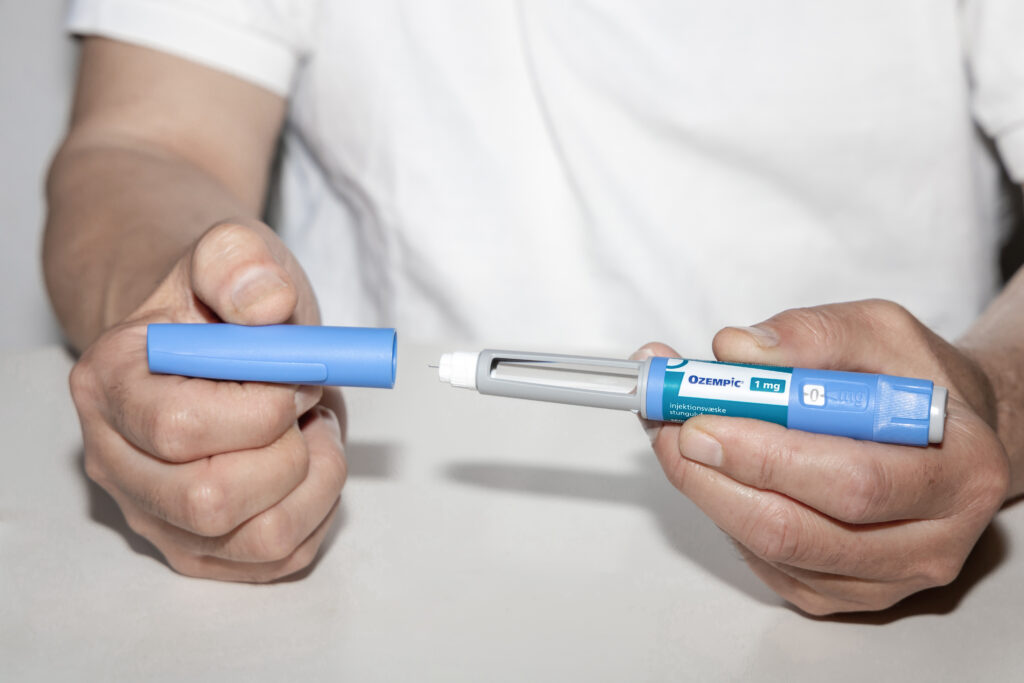
    Ozempic is an injectable prescription medication to help adults with Type 2 diabetes manage their blood sugar. Although it’s not approved as a weight-loss drug, people without Type 2 diabetes have begun using Ozempic off-label for this purpose. While some health care providers may be prescribing Ozempic for patients whose goal is to lose weight, the drug’s manufacturer does not promote, suggest or encourage off-label use of this medication.

    As Ozempic is gaining traction on social media platforms as a way to lose weight, you may have questions about this medication and how it’s being used for weight loss. This article provides an overview of the diabetes drug Ozempic, explains how it works for weight loss and outlines its common side effects.

    An Overview of Ozempic

    Approved by the U.S. Food and Drug Administration (FDA), Ozempic is a prescription medication for treating Type 2 diabetes in adults. It comes as a prefilled pen injector. Dosage depends on an individual’s health history and goals, as well as their overall lifestyle. A doctor will prescribe the drug’s dosage and explain injection timing, instructions and expectations.

    The weekly injectable medication helps improve blood sugar in adults with Type 2 diabetes by lowering hemoglobin A1C, a measure of blood glucose over time. The FDA approved Ozempic’s active ingredient, semaglutide, in 2017. Ozempic also helps adults with Type 2 diabetes and known heart disease lower their risk for cardiovascular events, such as stroke or heart attack.

    Not everyone with Type 2 diabetes will be prescribed Ozempic, as many individuals can manage their blood sugar with diet, exercise and insulin therapy.

    Ozempic for Weight Loss

    Although it’s not officially considered a weight-loss drug, researchers suggest that people who take Ozempic may lose modest amounts of weight while on the medication. Semaglutide impacts weight in the following ways:

    • It affects the hunger centers in the brain, thus reducing or curbing hunger, appetite and cravings.
    • It slows the rate of stomach emptying, which prolongs fullness and satiety after eating.

    Semaglutide is approved by the FDA at higher doses for treating individuals living with obesity and other weight-related medical problems under the brand name Wegovy. However, Wegovy should only be used as a weight-loss tool under medical supervision and by individuals dealing with “severe” obesity. Although Ozempic and Wegovy have the same active ingredient, they have different brand names and different dosage schedules. Shortages of Wegovy may have forced some people to turn to Ozempic to keep lost weight off.

    Side Effects of Ozempic

    In general, the side effects of Ozempic are gastrointestinal. The most common side effects include:

    • Nausea
    • Vomiting
    • Diarrhea
    • Stomach pain
    • Constipation

    Although rare, more severe complications may include thyroid tumors, pancreatitis, changes in vision, kidney problems and serious allergic reactions. These could lead to major health complications and, in some cases, death. If you’re taking Ozempic and experience any worrying symptoms, contact your doctor or seek emergency medical attention.

    Summary

    Ozempic’s weight-loss effects have increasingly been touted by celebrities and on social media platforms. As a result, you may have questions about the medication and wonder if it’s right for you and your health goals.

    Taking the drug for the goal of losing weight is considered off-label use, so talk with your doctor if you have questions or concerns about Ozempic.

  • Healthy Lung Month: The Dangers of Electronic Cigarettes

    Healthy Lung Month: The Dangers of Electronic Cigarettes

    In recent years, electronic cigarettes, or e-cigarettes, have flooded the market. Many people are turning to e-cigarettes to help them quit smoking; however, questions remain about their safety and effectiveness.

    What is an Electronic Cigarette?

    E-cigarettes are battery-powered devices typically made of plastic or metal. E-cigarettes are often fashioned to look like tobacco cigarettes or cigars, and they are frequently used in place of smoking a tobacco product.

    E-cigarettes vaporize liquid, which usually contains nicotine and other chemicals. The act of inhaling vapor through an e-cigarette is known as “vaping.” Over the past several years, e-cigarette offerings have grown rapidly, with hundreds of brands and thousands of flavors to choose from.

    Why Use an Electronic Cigarette?

    Many people are looking to e-cigarettes as a way to slowly wean off of traditional, tobacco-containing cigarettes. The amount of nicotine in the vaporized liquid varies, thereby allowing people to gradually reduce the amount of nicotine they use over time. Since vaping e-cigarettes so closely resembles the act of traditional smoking, some believe that e-cigarettes offer an easier and more natural transition to a smoke-free lifestyle than nicotine gum and patches do.

    Health Hazards

    The major difference between traditional cigarettes and e-cigarettes is that electronic cigarettes do not contain tobacco. However, they still do contain some of the chemicals found in conventional cigarettes like nicotine (unless you choose a nicotine-free cartridge).

    Nicotine is a highly addictive stimulant and can cause increased blood pressure and an elevated heart rate. Some e-cigarettes have also been found to contain formaldehyde, a chemical that has the potential to cause cancer.

    Adverse effects of nicotine-containing e-cigarettes may include pneumonia, congestive heart failure, disorientation, seizures and other health problems. Nicotine has also been linked to reproductive health problems, diabetes, high blood pressure and respiratory problems.

    E-cigarette Regulation

    E-cigarettes have been called a “gateway” to smoking and have been criticized for targeting teenagers with candy-like flavors like chocolate, birthday cake and cotton candy. When e-cigarettes first entered the market, there was no minimum age requirement for purchasing them.

    However, on May 5, 2016, the Food and Drug Administration (FDA) announced it is banning the sale of e-cigarettes to minors. Following this, on December 20, 2019, new legislation was signed raising the e-cigarette purchase age to 21. Retailers will now be required to verify that all customers are at least 21 years old, and they will no longer be able to distribute free samples. E-cigarettes must also now carry warnings that they contain the addictive substance, nicotine.

    In addition, the FDA is requiring all e-cigarettes that went on sale after February 2007 to get FDA approval. The e-cigarette market was virtually non-existent before 2007, so this means that every e-cigarette, as well as every flavor and nicotine level, will need to be approved. E-cigarette makers have two years to gain FDA approval for their products.

    In Summary

    While e-cigarettes were initially promoted as a way to help people quit traditional cigarettes, doubts remain about their safety and long-term health consequences.

    For more information on how to quit smoking using FDA-approved methods, visit smokefree.gov.

  • Managing Work-Life Balance During Return To School

    Managing Work-Life Balance During Return To School

    Working parents are a critical part of the U.S. workforce. According to the job website Glassdoor, 2 in 5 workers have a child under the age of 18, and 1 in 9 have a child younger than 5 at home. For anyone with caregiving responsibilities, balancing them with work can be a real challenge with no easy solutions. Work-life balance refers to a person equally prioritizing career demands with personal obligations.

    A good work-life balance has numerous positive effects, such as less stress, lower risk of burnout and greater well-being. Whether you work from home or commute to your office daily, taking care of kids in school can be challenging. Consider the following tips to help working parents like you manage their work-life balance during the back-to-school season.

    Set a Schedule

    Try to adapt your schedule around your children’s activities. If you’re fortunate enough to work a flexible job or in a remote environment, you may be able to shift your hours to accommodate your children’s school and activity schedules. You may find it helpful to be home when your kids return from school each day. To accommodate this, you could shift your work schedule to start earlier or work later.

    This doesn’t mean you should be sacrificing sleep. A lack of sleep can increase stress, affect alertness, distort memory and hurt your physical health. Since your children need more rest, plan earlier bedtimes to help you finish your work without sacrificing sleep. The ability to adjust your schedule may depend on where you work and your role. Be sure to discuss any changes you want to propose with your manager.

    Communicate Your Needs

    Communicate with your employer about schedule changes during the school year. Your children’s transition back to school and extracurricular activities can be a lot to handle for your family. Most employers are willing to help you adjust your day or provide necessary support and resources.

    Review Workplace Policies

    It’s essential to be prepared for anything during your child’s school year, including illnesses that may require you to take time off. Review your workplace policies to understand your available resources during the back-to-school season. You should feel confident you’re protected in an emergency. Contact your manager or HR department if you’re unsure what policies are in place.

    Prioritize Your Health

    Adapting your schedule to that of your children can be ideal on paper, but it’s important that you are still prioritizing your own health. This includes getting enough sleep, fueling your body properly, exercising and spending time outdoors. Set realistic expectations about what’s possible during a typical day. Some days you may be able to prioritize your kid’s schedule, while others may be geared more toward yourself. It’s important to find a balance that works best in your life.

    Get Help

    Paying for additional assistance is not feasible for everyone, but if you can afford it, options are available to help make life more efficient. Services are available to help shuttle kids to school, nanny and take care of other tasks, such as grocery shopping or picking up dry cleaning. Paying for an external service to help with certain aspects of your day can help you spend more time with your family.

    For More Information

    No matter your challenges during the school year, proper planning and communication are essential. Talk to your manager if you have concerns or questions about your work-life balance during the school year.

  • Children’s Obesity Awareness

    Children’s Obesity Awareness

    Today, nearly 30 percent of children and teens in the United States are obese. Public health officials have classified childhood obesity as an epidemic.

    How does being overweight affect a child’s health?

    Overweight children are at a much greater risk for health problems now and in the future than children who are within a healthy weight range. Serious weight-related conditions such as high blood pressure, high blood cholesterol, Type 2 diabetes, asthma, accelerated growth, hip or knee pain, depression, low self-esteem, sleep apnea, and liver and gallbladder problems are seen more frequently by pediatricians in overweight children.

    The longer a child remains overweight, the greater the risk for serious long-term health problems. Have your pediatrician measure your child’s body mass index to determine whether your child is underweight, at a healthy weight, at risk of being overweight, or is already overweight or obese.

    Help Your Child

    If your child is diagnosed as overweight or obese, you will need to be supportive. That support comes in a variety of ways, incorporating both your child’s mental and physical needs. For example, you should:

    • Provide emotional support.
    • Teach and promote healthy habits.
    • Encourage healthy eating.
    • Encourage physical activity.
    • Model healthy eating and exercise in your own life.

    Weight-loss Programs

    A growing child’s nutritional needs differ from those of adults. Too few calories or restricting the wrong foods can interfere with proper growth. Therefore, do not put your child on a weight-loss diet unless recommended to by your health care provider. Under professional guidance, setting realistic weight loss goals will help to avoid discouraging your child. Help him or her focus on small, gradual changes, which will also help build healthy habits that can last a lifetime.

    Why are more children today overweight?

    Poor nutrition (including increased consumption of processed foods, fast foods, sugars and refined flours) and inactivity (increased use of electronic media, less physical activity in school and riding in vehicles instead of walking) are the leading causes of obesity in children. There are genetic reasons some children are overweight as well, but the vast majority are overweight because of the imbalance between calories eaten and calories burned.

    Healthy eating and regular physical activity are both the prevention and the “cure” for overweight children. Prevention is easier and more effective when parents start early, so promote healthy eating and exercise habits at an early age, incorporate them into your family and reinforce them as your child grows.

  • September is Ovarian Cancer Awareness Month

    September is Ovarian Cancer Awareness Month

    Due to the quiet symptoms of ovarian cancer, the disease can be difficult to detect. However, if caught early, it is treatable.

    Risk Factors

    It is not clear why one woman gets ovarian cancer and another does not. However, some factors increase a woman’s risk of developing the most common form of ovarian cancer, called epithelial ovarian cancer:

    • Age—Ovarian cancer occurs most often in women who are over the age of 55.
    • Family history—A history of ovarian, uterine, colorectal or breast cancer in a woman’s family will increase her chances of getting this disease. This is especially true of women with family members who developed the disease at a young age.
    • Reproductive history—Some research suggests that the use of certain fertility drugs for longer than one year may increase a woman’s chances of getting ovarian cancer, especially if pregnancy is not achieved. Additionally, women who have no children or have their first child after age 25, or who are considered obese may be at an increased risk of ovarian cancer.

    There are a few things may reduce a woman’s likelihood of developing ovarian cancer. Research has indicated that the use of oral contraceptives for at least five years throughout your lifetime may decrease the risk of developing ovarian cancer. In addition, studies have shown that women who undergo tubal ligation or a hysterectomy may also have a decreased risk of developing this disease.

    Make sure your doctor is aware of any risk factors you may have.

    Symptoms

    Symptoms of ovarian cancer often do not present themselves until the cancer has already spread. Some symptoms include:

    • Feelings of being bloated, or fullness in the pelvic area
    • Persistent stomach or pelvic pain
    • Gastrointestinal symptoms, such as changes in bowel habits or indigestion
    • Back pain
    • Feeling full quickly when eating

    Detection

    Currently, no single test exists that can detect ovarian cancer easily and early, but the Centers of Disease Control and Prevention (CDC) has identified some recommended detection methods. Having yearly gynecological exams that include pelvic exams and Pap smears is recommended, in addition to annual physical exams, but paying attention to changes in your body is also important in detecting cancer early. While the transvaginal ultrasound and the CA-125 blood test are often used in screening for ovarian cancer, neither has been shown to detect cancer earlier or to lower the deaths caused by ovarian cancer. All women, even those who have had tubal litigations or hysterectomies, should receive thorough annual gynecological exams, according to the CDC.

    Treatment

    Treatment varies depending on the stage of the disease, but most often includes surgery, chemotherapy and radiation therapy. If you are diagnosed with ovarian cancer, do some research before deciding on a treatment method.

  • Child Vaccinations: Measles, Mumps, & Rubella

    Child Vaccinations: Measles, Mumps, & Rubella

    August is National Immunization Month!

    Measles, mumps, and rubella are all viruses that can be spread by droplet infections, such as picking up or touching an object (like a handkerchief) that was recently used by an infected person. Fortunately, due to vaccinations, these diseases are nearly nonexistent in the United States.

    Measles

    Measles is a highly contagious illness caused by a virus called rubeola. The virus can lead to serious complications, such as encephalitis, or inflammation of the brain. People are most susceptible to contracting this illness in early childhood. Measles usually causes fatigue, runny nose, cough, slight fever, and head and back pains. In later stages, it can cause a high fever, Koplik’s spots (small white dots) inside the mouth and a rash that starts around the hairline and spreads downward. Vaccinations have dramatically reduced the incidence of measles to the lowest point in U.S. history, and create a lifetime immunity of 95 percent.

    Mumps

    Mumps is a paramyxovirus disease that attacks one or both of the parotid glands, the largest salivary glands in the body. Some symptoms of mumps are high fever, loss of appetite, headache, and back pain. In a few rare cases it can cause serious problems, such as deafness, or damage the lining of the brain and spinal cord.

    Mumps usually affects children ages 5 to 15, but with proper vaccination, immunity is as high as 95 percent.

    Rubella

    Rubella is a mild systematic disease caused by a virus. When rubella affects children, it typically causes a mild illness, including enlarged lymph nodes, a slight cold, a fever, and a sore throat. A rash may also appear and spread to the whole body. Typically there are few complications.

    Vaccination programs have dramatically reduced the number of cases, and when properly vaccinated, children only have about a 6 to 10 percent chance of contracting rubella.

    Vaccination Schedule

    Two doses must be given; the first should be at 12 to 15 months of age, and the second between 4 and 6 years old.

    Tips for Parents

    To make your child’s vaccination experience easier, here are a few tips to keep in mind:

    • Tell older children what is going to happen. Explain to them that the vaccination will keep them safe and healthy. Knowing ahead of time what to expect may make it less scary.
    • Let your child know that it is okay to be scared. Be sure to praise your child’s courage after the vaccination is over.
    • Try to distract your child while the vaccination is being administered. For example, have him or her look away rather than watch, or have him or her count or sing the alphabet.

    For more information, call 800-232-4636 – Centers for Disease Control (CDC) National Immunization Hotline, or visit www.cdc.gov/vaccines.