








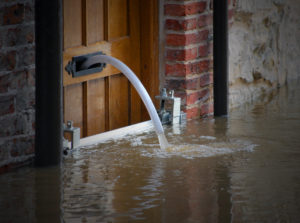
Are You Properly Insured for a Hurricane?

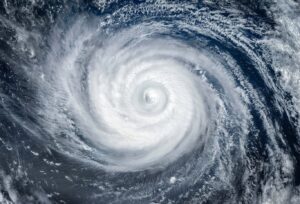
Hurricane season runs every year from June to November. Hurricanes are among the costliest natural weather disasters, and some storms cause billions of dollars in damage. Because of that risk, it’s important to regularly review your insurance coverage and confirm you have the right protection in place before a storm hits.
What Is “Hurricane Insurance”?
Hurricane insurance typically isn’t one single standalone policy. Instead, it refers to a combination of coverages that may be needed to protect against hurricane-related losses. Most commonly including:
- Homeowners insurance
- Flood insurance
- Windstorm insurance
Depending on the type of property you own (home or business), you may also want additional options to better address hurricane exposures.
Does Homeowners Insurance Cover Hurricane Damage?
Some homeowners policies may help cover hurricane-related damage, but coverage can vary widely. Many policies have specific exclusions that can limit what’s covered. For example, certain flood-related losses.
You should also check whether you have a separate deductible for hurricane-related claims, since that can affect how much you pay out of pocket when filing a claim.
If you live in a high-risk area, consider reviewing your policy limits and exploring supplemental coverage so you’re protected as much as possible.
Types of Insurance That May Help Cover Hurricane Damage
Homeowners (and in many cases, businesses) in hurricane-affected regions often consider these supplemental coverages:
1) Flood insurance
Flood insurance may cover losses directly caused by flooding, including damage from:
- Torrential rains
- Storm surge
Flood coverage can include protection for both the building and contents.
2) Windstorm insurance
Windstorm insurance may protect against property damage caused by:
- Gales and high winds
- Hail
3) Sewer backup endorsement/coverage
A sewer backup endorsement may help protect against losses caused by discharge of water or waterborne material from a:
- Sewer
- Drain
- Sump
Why Coverage Needs Special Attention for Businesses
For businesses in coastal regions, hurricanes can create major and wide-ranging losses. Hurricane impacts may include:
- Wind damage (hurricane winds can exceed 100 mph and cause extensive damage)
- Water damage (rain, storm surge, and tidal waves can harm property and equipment)
- Business disruptions (physical damage and economic disruption can make it difficult to resume operations)
Also, as hurricanes become more frequent and severe, some private insurers may be less likely to provide coverage in high-risk areas. Businesses should not assume standard policies automatically provide hurricane protection.
Is Hurricane Coverage Included in Standard Policies?
Hurricanes are typically not generally a named peril in standard commercial property insurance, so many commercial property owners need supplemental coverage to address hurricane losses. Common supplemental coverages include:
- Flood insurance
- Windstorm insurance
- Sewer backup coverage (for sewer system-related water discharge losses)
Debris removal and pollution cleanup may also be affected by coverage limitations, so it’s important to confirm what’s included and what conditions may apply.
Key Takeaway
Don’t wait until a storm is forecast to review your coverage. Hurricanes can affect multiple types of loss, and coverage gaps are easy to overlook. Contact Lawley to confirm you have the right combination of protections, especially for flood and windstorm risks.
More Insight & Tips
-
Flood Damage vs Water Damage
 Paul Dreher
Director of Personal Insurance
Paul Dreher
Director of Personal Insurance
-
Understanding Summer Liability Risks at Home
Paul Dreher
Director of Personal Insurance
-
A Simple Auto Insurance Update Could Save You Trouble Later
Paul Dreher
Director of Personal Insurance