Author: Lauren McDaniel

  • How Diet Impacts Your Mental Health

    How Diet Impacts Your Mental Health

    It’s generally understood that what you eat affects your physical health, but it’s lesser known that diet also impacts your mental health. A 2019 review in the American Journal of Clinical Nutrition found that increasing fruit and vegetable consumption positively impacted psychological health. The review also found that daily vegetable consumption reduced symptoms of depression in people who were clinically depressed.

    Diet affects your cognitive function. A healthy diet can improve concentration and attention span and promote clear thinking. Conversely, an unhealthy diet can contribute to fatigue, decrease reaction time, and worsen your decision-making ability. This article guides how you can eat for a healthy mind.

    Foods That Negatively Impact Mental Health

    Certain foods have been linked to mental health issues. Eating too much sugar and processed foods can cause inflammation in the brain and body, contributing to depression, stress, and anxiety. Unfortunately, stress and depression often exacerbate poor eating habits, such as skipping meals or binge eating, and can make healthy eating a challenge.

    If you’re feeling anxious or stressed, it may be beneficial to examine your diet and limit your intake of the following:

    • Caffeine
    • Alcohol
    • Added sugars
    • Saturated fat
    • Fried foods

    Foods That Positively Impact Mental Health

    In the same way, an unhealthy diet can exacerbate mental health problems; a nutrient-rich diet can promote emotional and mental health. In particular, you should focus on eating foods that contain omega-3 fatty acids, folate, iron, magnesium, zinc, B vitamins, and vitamins A and C.

    The following foods promote positive mental health:

    • Dark, leafy greens
    • Lean proteins
    • Whole grains
    • Complex carbohydrates (e.g., brown rice and quinoa)
    • Berries
    • Citrus fruits
    • Salmon
    • Eggs
    • Nuts and flaxseeds
    • Vegetables

    Creating Healthy Eating Habits

    Changing your eating habits won’t happen overnight. Plan and go easy on yourself if you make mistakes. It’s crucial to remember that a single meal or slip-up doesn’t determine a healthy or unhealthy diet. Begin with small changes and remember the bigger picture as you work to exchange unhealthy foods with more nutritionally dense ones. The following practices can help you eat foods that can benefit your mental health:

    • Have healthy snacks (e.g., nuts, fruit, and hard-boiled eggs) available at your desk to stave off sweet cravings.
    • Avoid eating foods or drinks that lead to energy crashes and impair your ability to concentrate (e.g., soft drinks and candy).
    • Create a healthy shopping list and stick to it in the store.
    • Make small swaps (e.g., whole grains instead of refined grains or seafood instead of red meat) to get started.
    • Pay attention to how you feel when you eat and after.
    • Be mindful of emotion-driven eating and find alternatives to overeating when stressed.
    • Get a good night’s sleep. Inadequate sleep can cause you to overeat and drink excessive amounts of caffeine.
    • Eat at regular intervals to help you maintain a balanced diet. This will also keep your metabolism high and your stomach digesting optimally.

    Conclusion

    The foods you eat can significantly impact your mental health and emotional state. Eating a nutrient-rich diet low in processed sugar and saturated fat can increase your focus, improve your cognitive function, and decrease your risk for mental illnesses, such as anxiety and depression.


  • Vision Care: UV Protection

    Vision Care: UV Protection

    The sun releases energy, called radiation, in various forms: in the sunlight you see, the heat you feel, and the invisible ultraviolet (UV) rays that cause sunburn. UV rays from the sun can also damage your eyes and hurt your vision.

    Dangers of UV Rays

    There are two types of UV radiation: UVA rays and UVB rays. UVB rays are more likely to cause sunburn, but UVA rays penetrate deeper. Exposure to either can damage your eyes. Long-term exposure to UV rays can result in eye problems that may lead to vision loss from conditions like cataracts or macular degeneration. Other dangers include skin cancer (around the eyelids) and corneal sunburn. Long hours at the beach or ski slope without proper eye protection can cause corneal sunburn, which can be very painful and may cause temporary vision loss.

    Exposure Risk Factors

    Everyone is at risk for eye damage from UV radiation. The risk of sun-related eye problems, however, is higher for people who:

    • Spend long hours in the sun.
    • Have you had cataract surgery or have certain retina disorders
    • Are on certain medications, such as tetracycline, sulfa drugs, birth control pills, diuretics, and tranquilizers that increase the eye’s sensitivity to light

    Proper Eye Protection

    Protecting your eyes from the sun and other elements, like wind or water, is crucial to maintaining your vision and eye health.

    • Use everyday eyewear that absorbs UV rays. All types of eyewear, including prescription and nonprescription glasses, contact lenses, and lens implants, should absorb UVA and UVB rays. For UV protection in everyday eyewear, there are several options, such as UV-blocking lens materials, coatings, and photochromic lenses.
    • Select the right sunglasses. Sunglasses help in two important ways: they filter light, and they protect the eyes from damaging UV rays. Look for labels that state they block 99%-100% of UVA and UVB rays. They should also reduce glare, protect your entire eye area, be comfortable to wear, and don’t distort color. Be aware that if you are at the beach or on the ski slope, you should wear sunglasses with a darker tint to block more light. Your risk of eye damage from the sun is greater because of the reflection of the water and snow.
    • Wear a brimmed hat or cap. A wide-brimmed hat or cap will block about half of UV rays and also limit UV rays that hit the eyes from above or around glasses.
  • Coping With the Winter Blues

    Coping With the Winter Blues

    As winter settles in, bringing colder temperatures and shorter days, many individuals grapple with a common phenomenon known as the winter blues, which are symptoms of low-level sadness lasting through the winter months.
    Going beyond winter blues, some people may have a complex type of depression called seasonal affective disorder (SAD). People experiencing SAD show signs of a major depressive disorder, including difficulty with sleeping and eating and noticeable fluctuations in energy levels and weight.
    According to an American Psychiatric Association (APA) survey, 2 in 5 adults say their overall mood declines in the winter.
    Is It Winter Blues or SAD?
    The winter blues and SAD are two different conditions. “Winter blues” is a general term, not a medical diagnosis. It’s fairly common and usually clears up on its own, making it less serious than SAD. The National Institutes of Health defines the winter blues as usually tied to something specific, such as stressful holidays or reminders of absent loved ones. The winter blues are common and usually alleviate in a short amount of time. According to an APA poll, 67% of adults say they notice at least one behavioral change when the season changes to winter, such as sleeping more (31%) or feeling fatigued (25%) or depressed (23%).
    Conversely, SAD is a type of depression that occurs at specific times of the year, commonly during the fall and winter months. The APA estimates that about 5% of U.S. adults experience SAD, lasting about 40% of the year. The condition is more common among women than men.
    The lack of sunlight during this period can disrupt the body’s circadian rhythm and change serotonin and melatonin levels. These hormones are critical for managing mood and sleep patterns. According to the APA, people with SAD experience a cluster of symptoms that may include the following:
    • Feeling sad
    • Experiencing a loss of interest or pleasure in activities that are typically enjoyed
    • Changing appetite patterns (e.g., eating more and craving carbohydrates and sugars)
    • Changing sleep patterns (e.g., sleeping too much)
    • Experiencing a loss of energy or feeling more tired despite a good amount of sleep
    • Slowing down in thinking, concentration or decision-making
    • Feeling hopeless, worthless or guilty
    • Experiencing thoughts of death or suicide
    These symptoms can be distressing and overwhelming and can interfere with daily functioning. A key feature of SAD is that it follows a regular pattern, appearing each year as the seasons change and going away several months later.
    While the winter blues can cast a temporary shadow, incorporating self-care strategies into your lifestyle can help brighten your days and lift your spirits. Remember that seeking professional help is always an option if symptoms persist or worsen, especially if you’re dealing with more than the winter blues. By taking proactive steps to care for your mental well-being, you can navigate the winter season with resilience and a positive mindset.
  • Preventative Health Care for Women

    Preventative Health Care for Women

    Women are particularly at risk of developing problems in their reproductive organs. That’s why it’s important to make efforts to reduce your risks by engaging in regular screenings, examinations, and tests to detect problems early on.

    Read on for some preventive care recommendations:

    • Mammograms—Women aged 45 to 54 should have a mammogram every year, and women aged 55 and older should have one every year or two.
    • Pap smears—Women should have their first Pap smear at age 21 and continue to have one every three years. Women aged 30 and over who have had three Pap smears in a row should have one every three to five years.
    • Pelvic exams—Women who have been sexually active should have a pelvic exam every one to three years after having three consecutive normal exams to detect signs of illness.
    • Cholesterol screenings—Women should have a cholesterol test every five years after age 20.
    • Bone density tests—Women over age 65 should have routine bone density tests to detect the risk of developing osteoporosis. This disease makes the bones more fragile and likely to break.
    • Blood pressure tests—Women aged 18 to 40 should have their blood pressure taken at least once every two to five years to detect early signs of hypertension (high blood pressure). Women aged 40 and older should have a blood pressure test once every year.
    • Colorectal cancer screenings—Women should have a colorectal screening to detect cancerous cells and growths in the inside wall of the colon after age 50.

    Healthy Hints

    If you have a family history of any serious health complications, be sure to speak with your doctor. You may need to have more frequent screenings or begin screening earlier.

    It is also wise for women who are thinking about trying to conceive to visit their physician for a full checkup. At this time, the doctor can address any health concerns that may inhibit conception or may pose dangers to a baby during pregnancy or birth.

    For additional lifestyle and well-being guidance for your organization, contact us today.

  • Thyroid Awareness Month

    Thyroid Awareness Month

    About 20 million Americans suffer from thyroid disease, and approximately 13 million more are currently undiagnosed.

    About the Thyroid

    The thyroid gland is a small, butterfly-shaped gland located at the base of the neck, just below the Adam’s apple and right above the collarbone, surrounding the windpipe. The thyroid helps control the function of many of the body’s organs, including the heart, brain, liver, kidneys and skin, but it mostly helps to set the metabolism.

    The two types of thyroid disease are hyperthyroidism and hypothyroidism.

    Hyperthyroidism

    This disease refers to an overactive thyroid gland, which produces too much thyroid hormone. Symptoms include the following:

    • Goiters
    • Enlarged thyroid
    • Rapid heart rate
    • Nervous, anxious or irritable behavior
    • Trembling hands
    • Unexplained weight loss
    • Heat intolerance
    • Increased sweating
    • Hair loss
    • Diarrhea
    • Sleeplessness
    • Fertility issues

    Hypothyroidism

    Hypothyroidism occurs when the thyroid gland produces less than the normal amount of thyroid hormone, resulting in the decrease of many bodily functions. When the metabolism slows due to hypothyroidism, the following may occur:

    • Fatigue
    • Unexplained weight gain
    • Dry skin and hair
    • Difficulty concentrating
    • Increased cholesterol
    • Intolerance to cold
    • Constipation

    Risk Factors

    Risk factors for thyroid disease include:

    • Being female—Women are five to eight times more likely to suffer from a thyroid disorder than men are.
    • Age—Thyroid problems are very common in patients over 60, and the risk increases with age.
    • A family history—If the disease runs in the family, testing every five years after age 35 is recommended.
    • Pregnancy—Thyroid conditions can arise after giving birth.

    Treatment

    Treatment for hyperthyroidism usually includes prescription drugs, radioactive iodine therapy and/or surgery. Hypothyroidism tends to be treated most effectively with a prescription thyroid replacement hormone.

  • Toy Safety Guidelines This Holiday Season

    Toy Safety Guidelines This Holiday Season

    Making children smile with a new toy brings a lot of joy to parents and relatives during the holidays.

    Before giving a new toy to a child, be sure to be aware of safety guidelines as not all toys may be suitable for all children.

    Review the following guidance to select a toy that best fits a child’s age and developmental progression.

    Toy Safety Standards

    The U.S. Consumer Product Safety Commission requires toy manufacturers to meet specific safety standards and label products according to these specifications.

    Here are some suggestions of toys to avoid for children of various ages.

    • Under 3 Years
      • Toys with small parts that are 1 ¾-inches or less in size, as these items can be easily swallowed or inserted into noses and ears
      • Toys with ribbons and straps that can strangle children or toys with sharp edges and points
    • Ages 3-5
      • Toys made of plastic that can easily break into smaller pieces
      • Toxic art supplies that are not designed for use by children
    • Ages 6-8
      • Toys that can break or that possess potential choking hazards
    • Ages 9-12
      • Toys that are too dangerous for children to operate, such as a BB gun or slingshot

    Look at the Label

    Fortunately for consumers, toy manufacturers design product labels to reduce the guesswork for adults when they are trying to purchase a safe toy. That being said, always read the toy label before making your purchase.

    For more lifestyle guidance, contact us today.

  • Hand Hygiene: Stay Healthy

    Hand Hygiene: Stay Healthy

    Health experts estimate that 80% of common infections are spread through hand contact. Practicing good hand hygiene is the best way to prevent the spread of germs.

    Wash with Soap and Water

    Remember that water simply rinses dirt and germs away; soap is what actually prevents them from sticking to your skin.

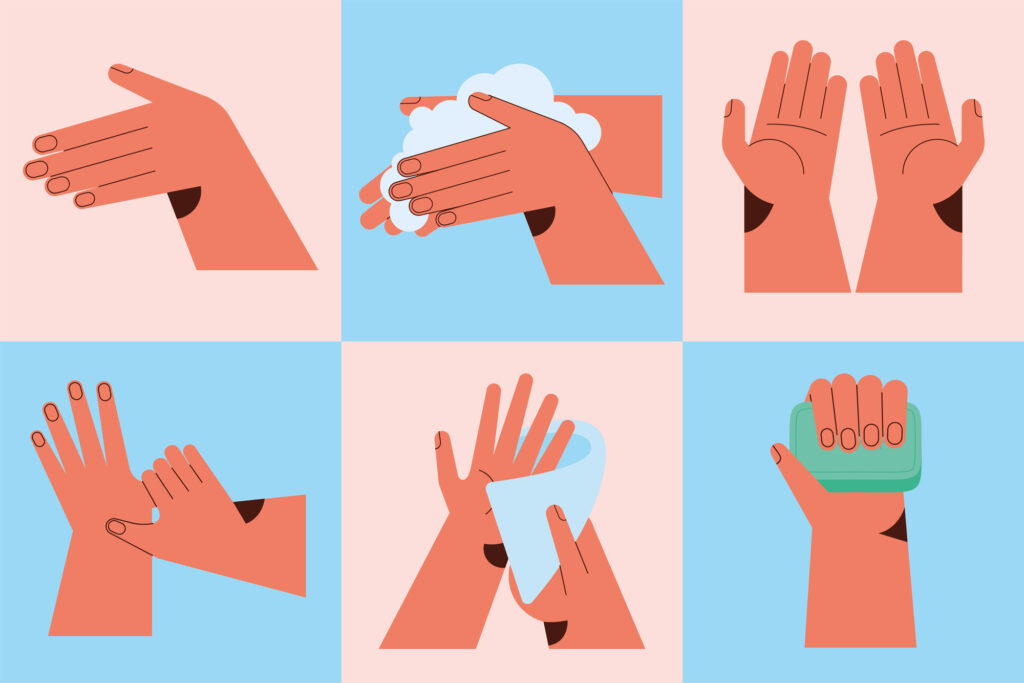
    For best results, wet your hands with clean running water and apply soap. Rub hands together, lathering and scrubbing all surfaces for at least 20 seconds. Then rinse your hands well under running water and dry them using a paper towel or air dryer. When in a public bathroom, use your paper towel to open the bathroom door if a trash can is near it.

    Use a Hand Sanitizer

    Evidence shows that hand sanitizers are more effective than soap in preventing infection, less irritating to the skin, and faster and easier to use. The main ingredient in hand sanitizers is alcohol, which kills 99.99% of bacteria in about 15 seconds.

    Contrary to popular belief, frequent use of a hand sanitizer will not cause antibacterial resistance. Hand sanitizers evaporate quickly and thoroughly, so there is no residue left on your hands where germs can grow. Hand sanitizers are usually gentler to your skin as well. While it is true that alcohol by itself can be drying to the skin, hand sanitizers are formulated with moisturizers.

    For best results, apply the product to the palm of one hand and then rub your hands together. Continue to rub product over all surfaces of your hands and fingers until they are dry. Be sure to note that the volume needed to reduce the number of bacteria on hands varies by product, so read the product’s instructions.

    Cleanse Your Hands Often

    Not only will cleaning your hands often help prevent you from getting sick, it will help you from getting others sick. Always wash with soap and water or a hand sanitizer after:

    • Blowing your nose, coughing or sneezing
    • Going to the bathroom
    • Changing diapers
    • Handling animals or animal waste
    • Handling garbage

    Never prepare or eat food, tend to an ill person, or treat a cut or wound without clean hands. Use common sense. Consider everything that your hands come in contact with; just because you can’t see germs doesn’t mean they are not there.

    Make Clean Choices

    In today’s busy world it is not always possible, or convenient, for us to wash our hands as often as needed. When you can’t get to a sink, experts recommend you use an alcohol-based hand sanitizer. While soap and water are ideal when your hands are visibly dirty, hand sanitizers are fast-acting and can significantly reduce the number of germs on your skin.

  • Crohn’s Disease

    Crohn’s Disease

    Crohn’s disease causes inflammation of the digestive system and can affect various areas of the body. Symptoms can be extremely painful and uncomfortable, but they can be managed with treatment.

    Symptoms

    Symptoms of Crohn’s disease can range from mild to severe, may be gradual or sudden, can vary from patient to patient, and may be dormant for periods of time. When active, symptoms include:

    • Persistent diarrhea
    • Abdominal pain/cramping
    • Rectal bleeding (which can lead to anemia)
    • Fever lasting more than a day or two
    • Ulcers
    • Reduced appetite and weight loss
    • Fatigue
    • Skin disorders
    • Eye inflammation
    • Constipation
    • Liver inflammation

    See your doctor if you experience multiple symptoms from this list, particularly the diarrhea, abdominal pain, rectal bleeding and/or fever.

    Causes

    The cause of Crohn’s disease is unknown, but experts believe that several factors may contribute to its onset:

    • Abnormal immune system response to bacteria normally found in the intestine
    • Heredity
    • Smoking
    • Age – you are more likely to develop the disease between ages 15 and 35
    • Ethnicity – Caucasians seem to have a higher risk, with the highest risk for those of Jewish descent
    • Environment – those in urban areas and industrial nations seem to be at higher risk

    Diagnosis

    If your doctor suspects you have Crohn’s disease, they will run several tests, which could include a physical exam, stool sample, blood test, X-ray, MRI, CT scan, colonoscopy and/or biopsy of your intestine lining.

    Treatment

    While there is currently no cure for Crohn’s disease, there are several treatment options.

    Treatments may include:

    • Drug therapy – anti-inflammatory, immune system suppressors and short-term steroid use
    • Diet – to prevent further bowel irritation and ensure adequate nutrition
    • Surgery is an option for those who do not respond to drugs, though there is still no guarantee that symptoms will not return.
  • Potential Benefits & Drawbacks to CBD Oil

    Potential Benefits & Drawbacks to CBD Oil

    Cannabidiol (CBD oil) has become widely popular and is steadily finding its way onto the shelves of health stores, coffee shops, and at stores that specialize in or exclusively sell it. While you may have heard many stories on the varying uses and effectiveness of CBD oil, it can be difficult to distinguish the truth from the fiction. In fact, there are many things about CBD oil that even experts have yet to fully understand.

    What Is CBD Oil?

    CBD is a natural compound and the second most dominant ingredient in cannabis. While it can be extracted from the same plant as marijuana, it doesn’t include tetrahydrocannabinol (THC) which is the ingredient that causes the symptoms associated with getting high. More commonly, however, it is extracted from hemp, which has very low levels of THC and is legal in the United States. As a result, while CBD cannot alter a person’s state of mind, it can help the human body to function more effectively. Pure CBD oil consists of CBD dissolved in oil made from either hemp seeds or coconut.

    Legality of CBD

    As of December 2018, the Agriculture Improvement Act made it legal for CBD to be extracted from hemp nationwide, though it must contain less than 0.3% THC to not be classified as marijuana. CBD extracted from other cannabis plants remains illegal on the federal level, but may be legal under state laws.

    Additionally, each state has varying degrees of legal restrictions regarding CBD, and the federal government still technically considers it in the same drug class as marijuana.

    As of 2015, the Food and Drug Administration (FDA) relaxed requirements to allow researchers to conduct trials on CBD to better understand its impact on the human body. As a result of these trials, the FDA approved the first drug to contain purified CBD—called Epidiolex—in 2018 as a medication to treat certain types of epilepsy.

    Selling food or drinks containing CBD is still illegal on the federal level due to concerns over the safety and unproven effects of its use in this capacity. Its legal status hasn’t stopped some organizations from including CBD in their edible products or selling it as a dietary supplement.

    Health Benefits

    Research into the effects of CBD is still relatively young, ongoing and limited due to legislation restrictions. However, there are several health benefits that CBD oil can offer and even more for which testing is incomplete but early results are promising.

    Reducing Seizures

    Evidence strongly supports CBD oil’s effectiveness in treating seizures. Specifically, childhood epilepsy syndromes such as Dravet and Lennox-Gastaut, which don’t usually respond to traditional antiseizure medications, saw a reduction or even complete elimination in the number of seizures in patients treated with CBD in numerous studies.

    Alleviating Cancer-related Symptoms

    One popular argument for the legalization of marijuana has typically been that it helps to alleviate symptoms related to cancer and its treatment. Indeed, in a study of people with cancer-related pain, those treated with CBD and THC experienced significant pain reduction compared to those treated only with THC. Common chemotherapy side effects, such as nausea and vomiting, appear to also be relieved through a one-to-one combination of CBD and THC. Furthermore, animal studies suggest that CBD can prevent the spread of or even outright kill cancer cells, though it remains to be seen if this effect could translate to humans.

    Pain Relief

    For anyone suffering from chronic pain, CBD can reduce inflammation and pain by helping naturally produced endocannabinoids respond to the immune system. Some studies have even found that CBD and THC could be effective in treating multiple sclerosis and arthritis pain.

    Reducing Anxiety and Depression

    While both anxiety and depression are typically treated with pharmaceutical drugs, these drugs can sometimes be addictive, leading to substance abuse. CBD oil, however, is not addictive and has been shown in studies to reduce anxiety and cognitive impairment in situations that would typically increase both. CBD is also in early clinical trials for treating post-traumatic stress disorder.

    Other Possible Benefits

    Scientists continue to study CBD and its effectiveness in treating a wide range of other ailments and their symptoms, such as the following:

    • Acne
    • Alzheimer’s
    • Blood pressure
    • Diabetes
    • Drug withdrawal
    • Epilepsy
    • Parkinson’s disease
    • Schizophrenia

    Potential Side Effects

    While CBD is considered safe, it is not without its potential side effects. CBD could be especially harmful if taken with other medications.

    The medication Epidiolex includes warnings that liver damage, lethargy, and depression or thoughts of suicide are possible side effects, though these are common of other epilepsy treatments. There is also evidence to suggest that nausea, fatigue, irritability, diarrhea, and changes in appetite and weight are possible side effects of CBD. However, there is not much currently known about any potential long-term side effects of CBD or its impact on brain development.

    Of particular concern, however, is the fact that all CBD products currently on the market—aside from Epidiolex—are unregulated by the government, as the FDA does not regulate the safety and purity of dietary supplements. As a result, CBD products may have different amounts of ingredients than advertised, may have ingredients not advertised at all (e.g., THC) or may not include any CBD at all.

    Because of this, it’s important for you to talk to your doctor before trying any CBD products and become as well-informed on the products as possible.

  • Understanding Neurodiversity

    Understanding Neurodiversity

    Neurodiversity isn’t new, but awareness of it has been gaining mainstream traction in recent years. In 1998, Australian sociologist Judy Singer coined the term “neurodiversity” to recognize that everyone’s brain develops uniquely. Neurodiversity refers to diversity in the human brain and cognitive functions, such as thinking, learning and behaving.

    There’s a high chance that you or people around you are neurodivergent—even if you aren’t aware of it. In fact, it’s estimated that 15%-20% of the global population is considered neurodivergent. This article explains neurodiversity, neurodivergent conditions, strengths and challenges of neurodivergence, and tips for fostering a neurodiverse environment.

    What Is Neurodiversity?

    Neurodiversity is the concept that the differences in brain functions are variations—not deficits—in the way people experience and interact with the world. Individuals who exhibit such variations are considered “neurodivergent.” There’s a growing understanding that individuals who are neurodivergent are not disabled but rather differently abled.

    Since there isn’t a “normal” way for a brain to work or function, the larger population is said to be “neurotypical.”

    Forms of Neurodivergence

    Neurodivergence is often used as an umbrella term covering several conditions, including the following:

    • Attention-deficit/hyperactivity disorder (ADHD)
    • Autism spectrum disorder (autism)
    • Down syndrome
    • Dyscalculia (difficulty with math)
    • Dysgraphia (difficulty with writing)
    • Dyslexia (difficulty with reading)
    • Dyspraxia (difficulty with coordination)
    • Mental health conditions, including bipolar disorder and obsessive-compulsive disorder
    • Sensory processing disorders
    • Tourette syndrome

    In the neurodiversity movement, neuro-differences are typically recognized or appreciated as a social category similar to differences in ethnicity or gender.

    Challenges Facing People Who Are Neurodivergent

    People who are neurodivergent have differences in the way their brain works. First and foremost, neurodivergence is generally nonvisible. That’s a significant hurdle, as looking at a person who is neurodivergent would not let you know they are neurodivergent. That leaves many people who are neurodivergent having to disclose their specific needs to do their best work or be socially accepted.

    Additionally, some people who are neurodivergent struggle because of systems or processes that create new challenges or don’t allow them to demonstrate their strengths. For example, they may have challenges fitting in socially, behaving in expected ways or easily adjusting to change. Some common and challenging symptoms of neurodivergence include:

    • Atypical physical behaviors (e.g., expressing tics and shouting at unexpected times)
    • Atypical responses to sensory input (e.g., sensitivity to light, sound, heat, cold or crowds)
    • Inflexibility or inability to adapt or change
    • Learning challenges (e.g., difficulty focusing or reading)
    • Social communication difficulties
    • Speech and language challenges

    These symptoms are simply examples since specific challenges hinge on the individual’s form of neurodivergence.

    In general, society is often tailored for neurotypical minds. As a result, neurodivergence can often be misunderstood, making people who are neurodivergent feel the need to camouflage in neurotypical societies, situations and organizations. This complex behavior is called masking and can be done deliberately or subconsciously. One of the most significant issues with masking is that it creates a lot of exhaustion and stress and can increase the risk of burnout.

    Masking differs between individuals, but the behavior is often triggered by an inaccessible environment or a need to fit in, avoid judgment and have a sense of belonging. Ultimately, masking and being unable to be authentic can have serious mental health implications.

    Strengths of People Who Are Neurodivergent

    Since people who are neurodivergent are cognitively different from people who are neurotypical, they can bring unique strengths to situations or environments. Furthermore, people who are neurodivergent can often make connections that neurotypical people might not.

    Consider the following general but powerful skills and talents of those who are neurodivergent:

    • Fresh, unique perspectives
    • Exceptional focus and concentration
    • Out-of-the-box problem-solving skills, which support innovative and creative thinking
    • Strong observational skills and keen attention to detail

    While people who are neurodivergent tend to excel in those areas, it’s vital to remember that every person is different. The strengths of these individuals have an opportunity to shine when they’re given the proper credit and support.

    Fostering Neurodiversity

    There are ways you and every person can challenge or influence cultural norms and contribute to a neurodivergent-friendly environment. Consider these tips for fostering neurodiversity:

    • Practice awareness. Understanding neurodiversity is the first step. Take it upon yourself to learn more about neurodivergent features, their specific strengths and challenges, and how to reduce the associated stigma.
    • People with neurodivergent features may feel misunderstood or left out. Let others know you hear them and respect their ideas and choices.
    • Respect individual differences. Regardless of neuro-differences, everyone has a different learning or working style. Everyone thinks, processes information and learns differently, so respect those differences and leverage individuals’ strengths.
    • Communicate clearly. There’s room for error if communication is not specific or clear enough. To reduce potential confusion, ensure communications are specific and include actions so the recipient understands the ask or task. For example, in the workplace, ask your teammates or direct reports what their communication preferences are. Keep in mind that respecting neurodiversity may also mean respecting nonverbal choices.
    • Avoid value-based labels. Terms such as “low functioning” and “high functioning” are often used with neurodivergent conditions, such as autism. Avoid using those terms, as they assume a person’s level of function is based on neurotypical function.

    Summary

    People who are neurodivergent may spend significant time adjusting to their environment or managing their social impressions. While neurodiversity has its strengths, it also comes with challenges individuals may need to navigate.

    Understanding and accepting human neurodiversity is important so everyone can live their most authentic lives and not feel like they need to adjust their behavior or other characteristics in certain environments. Ultimately, it comes down to treating others with respect and accepting them for who they are.