









Tick Prevention and Protecting Yourself From Outdoor Plants

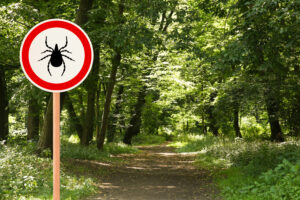
Spending time outdoors is great, whether you’re working, volunteering, or enjoying a hike, but it also means you may encounter both wildlife hazards (like ticks) and plants that can cause painful or irritating reactions.
By using the same mindset, identify risk early, cover exposed skin, and follow safe cleanup practices, you can reduce the chances of getting bitten or developing an itchy rash.
1) Prevent Tick Bites (Before You Go Outside)
Ticks are commonly found in tall grass, brush, and wooded edges.
Use these prevention steps:
- Wear protective clothing: long sleeves and long pants help block tick contact
- Cover exposed skin: tuck pants into socks and consider closed-toe shoes for added protection
- Use repellents appropriately: follow label directions for use and reapplication
- Stay on paths when possible: walking through dense vegetation increases exposure
- Plan for quick check-ups: the sooner ticks are found and removed, the better
2) After You’re Outside: Do a Full Body Check
Ticks can attach quickly. After spending time outdoors:
- Check your whole body, especially areas where ticks like to hide (hairline, behind ears, underarms, waistband area, and behind knees)
- Shower as soon as possible to wash off ticks and help you spot any that may still be crawling
- Check clothing and gear: ticks can hitch a ride on fabric and equipment
3) Poison Ivy and Poison Sumac: Stop the Urushiol Before It Starts
Poison ivy, poison oak, and poison sumac contain a chemical called urushiol, which causes rashes, blisters, and intense itching. Urushiol can also stick to tools and clothing, so you may react even after the initial plant contact.
Key identification reminders:
Poison Ivy:
Typically “leaves of three, let it be” (though some plants have more). Often a woody vine or trailing shrub.
Poison Sumac:
Usually found in boggy areas and grows as a shrub up to about 15 feet tall with 7 to 13 leaves.
Prevention tip (same principle as tick prevention): Wear gloves and long sleeves when working outdoors in vegetation. If you suspect contact, don’t just brush it off, clean up. Urushiol may remain potent for years depending on conditions.
4) How to Respond If You Think You Were Exposed to Poison Ivy/Sumac/Oak
If you develop a reaction after outdoor exposure:
- Cleanse exposed skin with rubbing alcohol, then wash with water
- Shower with soap and warm water, but don’t use soap until the second washing (initial soap can spread urushiol around)
- Wipe tools, shoes, and clothing with rubbing alcohol and water; wear gloves and discard or properly handle them afterward
Remember: Redness/swelling may appear 12 to 48 hours after exposure. Blisters and itching can last while your body reacts, and responses can be difficult to manage without treatment.
5) Don’t Forget Poisonous Plants That “Blend In” Like Stinging Nettle and Giant Hogweed
Outdoor hazards don’t end with classic poison ivy.
Stinging Nettle
Stinging nettle has tiny hairs that release chemicals on contact and can cause itching and irritation.
Prevention is simple:
- Wear protective clothing
- Avoid brushing against vegetation
- Check yourself afterward
Giant Hogweed
(Important Safety Warning) Giant hogweed is especially dangerous because it releases sap that can cause painful burns and permanent scarring when it touches your skin and is then exposed to sunlight or UV rays. It can make affected skin sensitive to UV light for many years. It may even cause temporary or permanent blindness if sap gets in eyes.
Risk mitigation for workers:
- Be trained to identify it
- Make sure exposed skin never contacts the plant
- Wear impermeable clothing, including gloves and a face shield over the eyes
- Do not use power tools near giant hogweed (breaking stems/leaves releases sap)
- Do not cut/mow/weed it. Removal should be done by professionals
If contact occurs:
- Immediately wash the area with soap and water to help prevent sunlight-related worsening
- If sap gets in the eyes, irrigate for at least 15 minutes and wear UV-blocking sunglasses
- Stay out of the sun and cover exposed areas for at least one to two days
- Contact a medical professional, especially for severe reactions or eye exposure
6) The Big Connection: Treat “Outdoor Contact” as a Safety Event
Quick Safety Checklist:
Before you go:
- Wear long sleeves/long pants/closed-toe shoes
- Gloves when handling brush/plants
- Tick repellent per label instructions
After you return:
- Full tick check
- Shower promptly
- Check clothing/gear
- Clean tools if you suspect plant contact
- If you suspect poisonous plant exposure: Use rubbing alcohol then wash
- Wash contaminated items
- Seek medical guidance if symptoms are severe or involve eyes
This safety matters flyer is for general informational purposes only, and is not intended as medical or legal advice. © 2026 Zywave, Inc. All rights reserved.
More Insight & Tips
-
Trenching and Excavation Safety
 Rob Coppola
Senior Account Executive – Construction Insurance Practice Group
Rob Coppola
Senior Account Executive – Construction Insurance Practice Group
-
Fire Safety Tips to for E-Bike Owners
Paul Dreher
Director of Personal Insurance
-
Mental Health Safety in Construction
Rob Coppola
Senior Account Executive – Construction Insurance Practice Group



Rob Coppola
Senior Account Executive – Construction Insurance Practice Group

Rob’s primary role is to be the lead service team relationship manager and advocate for key Lawley Construction Insurance and Captive clients. He has vast knowledge in exposure identification and specific coverage implementation which will be used to custom-develop your insurance platform and service plan. Rob will make certain that your transition to and relationship with Lawley begins in an exceptional way and stays that way.
View Bio LinkedIn