Author: Lauren McDaniel

  • Adding Omega-3 Fat to Your Diet

    Adding Omega-3 Fat to Your Diet

    Contrary to popular belief, not all fat is bad for you—especially if it contains omega-3 fat. While this fat is not naturally produced by the human body, it does play a role in minimizing your risk of cardiovascular disease. It also has been shown to reduce high blood pressure, decrease inflammation, inhibit cancer growth and alleviate other conditions—such as depression and Type 2 diabetes. Keep reading to learn more about omega-3 fat and how to incorporate it into your diet.

    Healthy Sources of Omega-3 Fat

    • To get the proper amount of omega-3 fat, you should consume two or more servings of fatty fish (e.g., salmon, herring, whitefish, tuna, mackerel, rainbow trout or sardines) each week.
    • You could also take a fish oil supplement to obtain the equivalent of two fatty fish meals, which equates to roughly 600 mg of omega-3 fat in the form of supplements per day. To determine the actual amount of omega-3 fat in a fish oil supplement, be sure to check the label.
    • Keep in mind that if you have certain health conditions—such as heart disease or high levels of triglycerides—you should consume higher levels of omega-3 fat at your doctor’s discretion.

    Omega-3 Supplement Considerations

    There are several precautions that you should remember when taking fish oil, as with all vitamin and mineral supplements:

    • Do not take fish oil supplements if you are using any blood-thinning medications.
    • Choose products with the words “pharmaceutical grade” or “molecularly distilled” on the bottle.
    • Take 200 to 400 IU of natural vitamin E daily if you consume more than two grams (2,000 mg) of fish oil daily.
    • Consult your doctor before taking any supplements to ensure that they are right for your body and won’t interact negatively with other medications you are currently taking.

    The Cause of Omega-3 Deficiencies

    According to the American Heart Association, most Americans are omega-3-deficient because the foods in their diets are refined and over-processed. However, by consuming omega-3—something that is almost entirely missing from the average diet—people can actually repair some of the damage that refined and over-processed foods have caused.

    For additional lifestyle and well-being guidance, contact us today.

  • Stay Cool & Hydrated: Why Water Matters More Than You Think

    Stay Cool & Hydrated: Why Water Matters More Than You Think

    As the temperature rises, so does the importance of staying properly hydrated. Whether you’re working outdoors, exercising, or simply enjoying a sunny day, keeping your body well-hydrated is one of the easiest—and most critical—ways to protect your health in the heat.

    Why Hydration Matters

    Water plays a vital role in nearly every bodily function. It helps regulate your temperature, transport nutrients, cushion joints, and remove waste. Dehydration, even in mild forms, can impair physical and mental performance, affect mood, and increase the risk of heat-related illnesses.

    What Causes Dehydration?

    Dehydration happens when your body loses more fluids than it takes in. On average, adults lose up to 10 cups of water daily through sweat, breathing, and urination. These losses increase significantly in hot weather, during exercise, or while working in physically demanding conditions. Along with water, you also lose electrolytes—key minerals like sodium, potassium, and calcium—that help maintain fluid balance, muscle function, and nerve signaling.

    Warning Signs of Dehydration

    Recognizing the early symptoms of dehydration can prevent more serious health issues. Common signs include:

    • Excessive thirst
    • Fatigue or drowsiness
    • Dry mouth and lips
    • Muscle cramps or weakness
    • Headache
    • Dizziness or lightheadedness
    • Dark-colored urine

    Ignoring these signs can lead to severe complications, including heat exhaustion or heat stroke, which can be life-threatening. If you experience any of these symptoms, stop what you’re doing, rest in a cool area, and rehydrate immediately.

    Smart Hydration Strategies

    Prevention is key. Don’t wait until you’re thirsty—by that point, you may already be dehydrated. Here are some practical ways to stay ahead of dehydration:

    • Drink consistently throughout the day, aiming for small amounts regularly instead of large amounts all at once.
    • Eat water-rich foods like watermelon, cucumbers, oranges, and leafy greens to boost fluid intake.
    • Avoid diuretics like coffee, energy drinks, and alcohol, which can lead to fluid loss.
    • Carry a reusable water bottle and refill it frequently, especially if you’re outdoors or active.

    How Much Water Do You Really Need?

    While the standard recommendation is about 8 cups (64 ounces) per day, individual needs vary depending on factors like age, weight, activity level, climate, and overall health. A good rule of thumb: if you’re sweating more, you should be drinking more.

    Hydration Tip: If plain water feels boring, infuse it with natural flavor! Add slices of lemon, lime, cucumber, or a few mint leaves to make your water more enjoyable—and encourage more frequent sipping.

    Take Breaks, Stay Safe

    If you’re doing physical work or exercise in hot conditions, take frequent hydration breaks—ideally every 20 to 30 minutes. Wear light, breathable clothing and try to find shaded or air-conditioned areas to cool down periodically.

    Bottom Line: Staying hydrated isn’t just about comfort—it’s about safety, performance, and long-term health. Make hydration a habit, not an afterthought.

    Stay safe, stay cool, and stay hydrated—your body will thank you!

    Brought to you by Lawley, supporting your health and wellness on the job and beyond.

  • Popular Diet Trends

    Popular Diet Trends

    As obesity rates and health care costs continue to rise, many Americans are searching for diets that will help them lose weight. There are so many diets advertised on the market today that it can be hard to tell which ones will produce positive results in a healthy way.

    Importance of Calories

    Luckily, scientists have provided a guideline for what to look for when determining which diet is best. According to the Wellness Council of America, researchers at the Harvard School of Public Health and the Pennington Biomedical Research Center compared four popular diets—high-carbohydrate, high-fat, low-fat and high-protein—to see which diets generated the most weight loss for participants. The study revealed that the number of calories consumed were ultimately the most important factor in determining weight loss success, regardless of what form they came in. If calorie intake decreased, participants lost weight.

    With this knowledge in mind, below are some of the most popular diets on the market today.

    The Paleo Diet

    The Paleo Diet, also known as the “caveman diet,” is a movement that encourages people to eat like our prehistoric ancestors. That means if you could not hunt or scavenge for it back in the day, you cannot eat it on the Paleo Diet.

    • The Paleo Diet prohibits all grains, dairy, sugar and processed foods. You are only allowed to eat foods occurring “naturally,” like grass-fed meat, fowl, fish, eggs, vegetables, fruits and nuts.
    • The diet is based on the idea that eating whole, unprocessed foods will encourage weight loss and improve well-being.

    Raw Food Diet

    The Raw Food Diet is one of the newer diets on the food scene. Raw food refers to food that has not been cooked, processed, microwaved or genetically modified. Supporters of the diet say that cooking food reduces its nutritional value.

    • The Raw Food Diet emphasizes a diet rich in fresh fruits, vegetables, nuts, seeds and herbs in their natural state. All pasteurized and processed foods (like refined sugar and flours) are off limits.
    • Typically, the diet requires 75% to 80% of the food you eat each day has to be plant-based food that has never been heated above 115 degrees Fahrenheit.

    Gluten-free Diet

    The idea of going gluten-free has gained popularity in the past few years. Gluten is a protein that is found in wheat, barley and rye.

    • All foods and drinks containing wheat, barley, rye and triticale (a cross between wheat and rye) must be avoided on a gluten-free diet. In addition, oats must usually be avoided due to the large possibility for cross-contamination.
    • Some individuals are required to follow a gluten-free diet for life due to an autoimmune disease called Celiac disease. Other autoimmune diseases like Hashimoto’s also recommend a gluten-free lifestyle.

    Whole30 Diet

    The Whole30 Diet looks similar to the Paleo Diet at first glance. It is more of an elimination diet, though, as it requires participants to remove all inflammatory or gut-disrupting foods from their diets for at least 30 days.

    • All grains, sugar, dairy, alcohol and legumes must be eliminated on the diet.
    • The Whole30 Diet is focused on enjoying whole, simple foods that fuel the body. As such, participants are not allowed to create “healthy” versions of junk food—for instance, no “Paleo pizzas” are allowed.

    Atkins Diet

    The Akins Diet is a low-carb diet created by cardiologist Robert Atkins. The Atkins Diet has four phases. As you progress to each phase, you are allowed to slowly add in more carbs.

    • Carbs and sugar are highly restricted or eliminated altogether in the early stages of the diet. You are allowed to eat as much protein and fat as you want, though.
    • Atkins provides meal plans, recipes and food carb counts to participants. Restaurant guides are also available.

    South Beach Diet

    The South Beach Diet was created in 2003 by cardiologist Arthur Agatston. Similar to the Atkins Diet, the South Beach Diet is a low-carb diet made up of phases. The amount of carbs allowed during each phase increases as you progress in the diet.

    • The South Beach Diet emphasizes foods that are high in fiber and nutrients. You are allowed to eat foods high in protein and carbs with the lowest glycemic index like broccoli, spinach and tomatoes.
    • There is no point system or calorie counting, and the program offers various interactive tools to make losing weight more manageable.

    Weight Watchers

    Weight Watchers recently launched its new Beyond the Scale program, which assigns every food a SmartPoints value based on its nutrition.

    • Healthier foods and those that keep you full longer have fewer points than junk food with empty calories. While the plan steers you towards fruits, vegetables and lean proteins by incentivizing them with lower points, it does not prohibit any food groups.
    • You are responsible for tracking your food choices and exercise. One-on-one consultations and in-person group meetings are also available.

    The Mediterranean Diet

    The Mediterranean diet focuses more on improving heart health and less on losing weight, but it is still useful for those wanting to transition away from unhealthy eating habits. The nutritional guidelines in the diet are inspired by the traditional dietary patterns of Greece, southern Italy and Spain.

    • The Mediterranean Diet promotes eating primarily plant-based foods, such as fruits, vegetables, whole grains, legumes and nuts. Fish and poultry can be enjoyed at least twice a week; however, red meat should be consumed no more than a few times a month.

    In Summary

    Though there may not be a cookie-cutter diet out there for you, one of these programs may help you lose weight and start living a healthier lifestyle. Please consult with a physician before embarking on any kind of diet.


    ABOUT LAWLEY CORPORATE WELLNESS
    & Our Wellness Team and Services

    Proactive health management efforts are an opportunity to reduce the healthcare costs for your business while at the same time, improving the health of employees. By effectively reducing the number of employees who are at risk of becoming chronically ill and managing the conditions of the chronically ill, the overall consumption of healthcare costs can be reduced. Being a part of a wellness program can help you proactively take an approach towards an effective health management plan for your business.

  • How to Practice Good Posture

    How to Practice Good Posture

    Maintaining good posture is a simple yet effective way to keep the structures in the back and spine in good working order. Good posture and back support are essential in reducing back and neck pain. Even sitting at a desk all day can wreak havoc on the back and neck, resulting in pain.

    Good Posture

    The Cleveland Clinic Department of Patient Education and Health Information defines posture as the position in which one holds his or her body upright against gravity. Good posture involves training the body to stand, walk, sit and lie in ways to place the least amount of strain on muscles and ligaments. There are many physical benefits to having good posture, such as:

    • Keeping your bones and joints in the correct alignment to ensure that muscles work properly
    • Decreasing abnormal wear on joint surfaces
    • Decreasing the stress on ligaments which hold the spine together
    • Preventing the spine from fixing in an abnormal position
    • Lessening fatigue
    • Preventing strains, backaches, and muscular pain

    Contributions to Bad Posture

    Though it is not a conscious decision most of the time, many workers have bad posture which can result in injuries. Here are some common behaviors that contribute to bad posture:

    • Shoulders hunched forward while slouching
    • Forming a “swayback” (also known as lordosis) in which there is an inward curve in the lower back
    • Carrying a heavy load on one side of the body
    • Cradling a phone receiver between the neck and shoulder
    • Slumping or sliding in a forward position in a chair

    Helpful Solutions

    Want to ease strains and prevent back and neck pain? Here are some helpful tips for standing, sitting, and lying down:

    Standing Properly:

    • Put your chin in and keep your head up
    • Keep your earlobes in line with the middle of your shoulders
    • Keep shoulder blades back and chest forward
    • Keep your knees straight and tuck in your stomach
    • Extend your head towards the ceiling

    Sitting Properly:

    • Place your shoulders back and your back straight
    • Evenly distribute your body weight on both hips
    • Bend your knees at a right angle and keep your feet rested flat on the floor
    • Adjust chair height to sit close to your workstation
    • Do not twist at the waist to grab something, turn your entire body
    • Avoid sitting in the same position for more than 30 minutes

    Lying Down Properly:

    • Lie in such a way to maintain the curve in your back such as on your back with a pillow under your knees
    • Place a lumbar pillow under your lower back or on your side with the knees bent
    • Sleep on a firm mattress with a box spring that does not sag


    ABOUT LAWLEY CORPORATE WELLNESS
    & Our Wellness Team and Services

    Proactive health management efforts are an opportunity to reduce the healthcare costs for your business while at the same time, improving the health of employees. By effectively reducing the number of employees who are at risk of becoming chronically ill and managing the conditions of the chronically ill, the overall consumption of healthcare costs can be reduced. Being a part of a wellness program can help you proactively take an approach towards an effective health management plan for your business.


  • Children’s Health: Sports Safety

    Children’s Health: Sports Safety

    Each year, nearly 4 million children ages 14 and under suffer from sports-related injuries. Every day, from soccer fields to ice rinks, millions of youths participate in sporting activities. Playing sports builds the body and mind, but can also result in injury if the proper safety precautions are not taken. Young athletes are at an increased risk for injury because their bones, muscles, tendons and ligaments are still growing.

    Safety Tips

    The risk of injury should not keep a child from participating in sports. Instead, parents and coaches need to take the proper precautions by following safety guidelines and providing the proper protective equipment to keep young athletes safe during play. Parents, coaches and children are encouraged to follow these safety precautions:

    • Know and follow the rules of the sport.
    • Be in good physical condition before beginning any sport.
    • Wear proper apparel and protective gear.
    • Know how to use athletic equipment.
    • Be sure to warm up before playing.
    • Drink plenty of liquids before playing to prevent dehydration.
    • Do not play when tired or in pain.

    If Injury Occurs

    Prompt treatment can often prevent a minor injury from turning into something worse. The first step is to use RICE therapy (rest, ice, compress and elevate). If a child displays any of the following signs, they may need to visit the doctor:

    • Inability or decreased ability to play.
    • Visible deformity.
    • Severe pain that prevents the use of an arm or leg.
    • Symptoms which persist or affect athletic performance.

    Prevention

    Most sports-related injuries are preventable. The following are steps coaches and parents can take to help reduce the chances of an injury occurring:

    • Enroll your child in programs where you know an adult will be monitoring the event.
    • Be sure your child uses the proper safety equipment.
    • Teach your child to start by warming up and stretching.
    • Remind your child to cool down afterwards.


    ABOUT LAWLEY CORPORATE WELLNESS
    & Our Wellness Team and Services

    Proactive health management efforts are an opportunity to reduce the healthcare costs for your business while at the same time, improving the health of employees. By effectively reducing the number of employees who are at risk of becoming chronically ill and managing the conditions of the chronically ill, the overall consumption of healthcare costs can be reduced. Being a part of a wellness program can help you proactively take an approach towards an effective health management plan for your business.

  • Bug Bites & Stings

    Bug Bites & Stings

    As you plan for summer picnics, hiking, camping and other outdoor activities, be prepared to encounter bugs. Here are some tips on how to recognize, treat and avoid common bug bites and stings.

    Identifying Bites and Stings

    Knowing what certain bugs’ bites and stings look like can help you treat them more effectively.

    • Bees and wasps—The site of a bee or wasp sting will be red, swollen, and possibly painful or itchy. Wasps sting multiple times, while bees sting only once, leaving their stingers behind. If you are stung by a bee, remove the stinger carefully with a scraping motion to avoid injecting further venom, then disinfect the area. To reduce swelling, apply ice. Acetaminophen can be used to reduce the pain.
    • Ants—Ant stings produce itchy lumps, followed by blisters within a few hours. Disinfect the area, and to avoid a bacterial infection, do not break the blister. Oral antihistamines or cortisone creams will reduce itching.
    • Mosquitoes—Mosquito bites cause red, itchy bumps. To relieve the itching, apply calamine lotion. For severe swelling, take an oral antihistamine.
    • Ticks—Ticks are often embedded in the skin. If a tick is no longer present, the area around the bite may be red. After spending time in wooded areas, thoroughly check yourself for ticks. To remove a tick, place tweezers at its head where it is attached to the skin and gently pull. Disinfect the area. In some regions, ticks may transmit Lyme disease. It is also important to check your pets for ticks after they have been outside. Save the tick in a jar for several weeks so that you can bring it to the doctor or vet if you or your pet become ill.

    Seeking Medical Attention

    If you exhibit any of the following symptoms, call your doctor immediately:

    • Swelling larger than two inches in diameter around the bite site
    • Swelling of the face, tongue or throat
    • Difficulty breathing
    • Chest pain or heart palpitations
    • Joint pain
    • Muscle stiffness or spasms
    • Rash or hives
    • Fever, nausea or vomiting
    • Severe headaches

    Preventing Bites and Stings

    The following tactics can be used to avoid bites and stings:

    • Limit exposure to high-risk environments such as marshes, stagnant water and heavily wooded areas.
    • Avoid outdoor activity during peak mosquito times (dawn, dusk or after a heavy rain).
    • Wear light-colored protective clothing such as long pants, long-sleeve shirts, socks and shoes.
    • Use caution when drinking from open beverage containers, and keep food covered to avoid ant, bee and wasp stings.
    • Keep window screens in good repair.
    • Use insect repellent. Be sure to follow directions carefully, especially for use on children.
  • The Harmful Effects of Energy Drinks

    The Harmful Effects of Energy Drinks

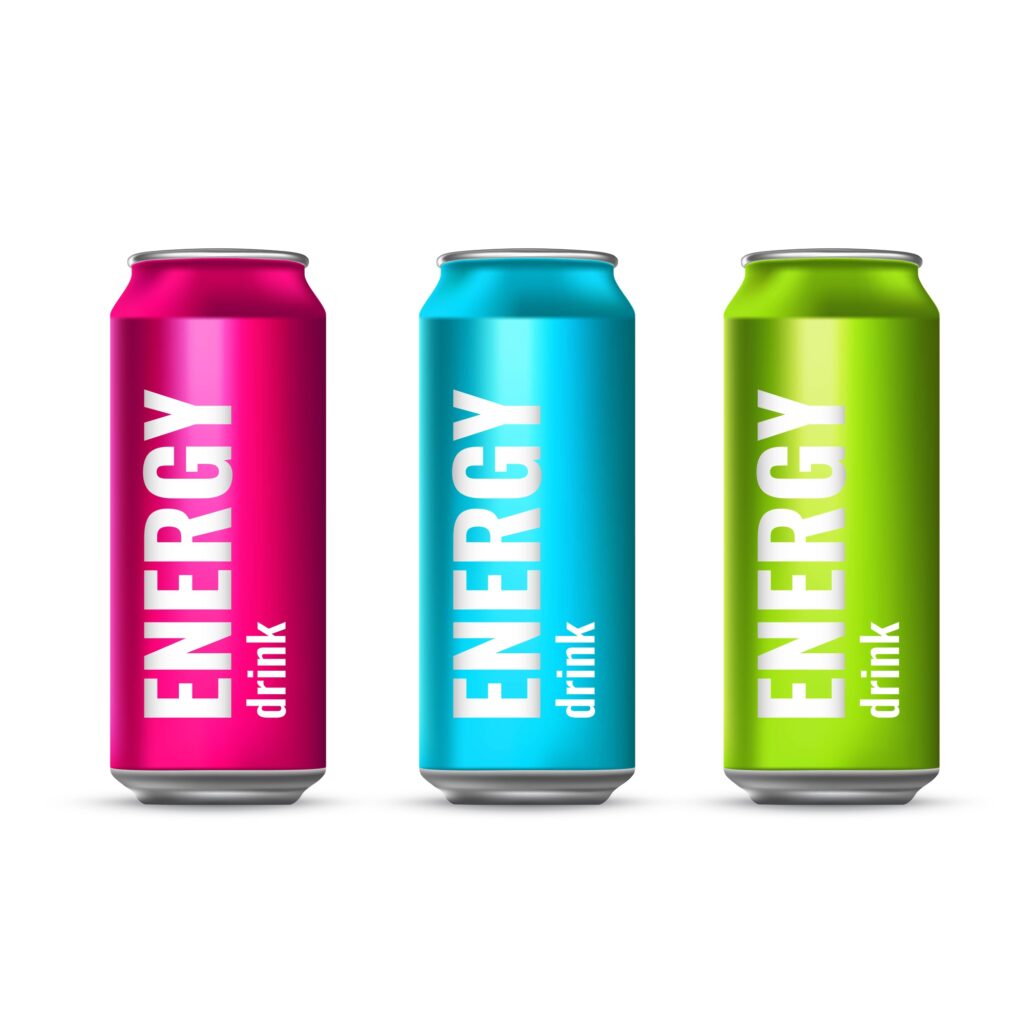
    Energy drinks are growing in popularity to provide quick boosts when tired. These beverages contain caffeine, a central nervous stimulant. However, many energy drink options have excessive amounts of caffeine or are overused by consumers, which can create adverse health risks. Some energy drink ingredients can also contribute to other health challenges.

    This article explores the harmful effects of energy drinks and energy-boosting alternatives.

    Energy Drink Ingredients

    The U.S. Food and Drug Administration (FDA) doesn’t approve energy drinks before going to market or provide the same thorough review as prescription medications. Even though caffeine is a drug, energy drinks are often marketed as dietary supplements or conventional foods. That means product manufacturers are responsible for the safety and truth of their labeling.

    Energy drinks are packed with caffeine, stimulants and other ingredients that can affect your health. The combination of high caffeine and other stimulants can lead to increased heart rate and blood pressure. Additionally, energy drinks can contain significant amounts of added sugar or other sweeteners. The American Heart Association has linked such sugary drinks to obesity, high blood pressure and high cholesterol. These drinks can also cause tooth decay, increase the risk of Type 2 diabetes and cardiovascular disease, and contribute to insomnia, mood swings and anxiety.

    Sugar isn’t the only ingredient in many of today’s energy drinks. Additives, such as guarana, ginseng and taurine, are common and, when combined with caffeine, can cause adverse effects (e.g., headaches, dizziness and heart issues). Other lesser-known ingredients, including carnitine, glucuronolactone, inositol and Panax ginseng, are also showing up on labels. Many of these are new to commercial products, so there isn’t much research available on their side effects and safety. As such, many claims are unsubstantiated.

    Furthermore, even though some energy drinks packed with biotin, B vitamins and green tea extracts are branded as “functional beverages” that can be incorporated into one’s fitness routine, they still have potentially harmful effects.

    Negative Effects of Caffeine Consumption

    While medical experts, including the FDA, report that caffeine can be part of a healthy diet for most people, too much of it can have negative health effects. The FDA considers 400 milligrams of caffeine daily safe for most adults, but people’s sensitivity can vary. The level of caffeine in one’s diet depends on individual factors, such as body weight, medications and medical conditions. Pregnant or breastfeeding people should only consume up to 200 milligrams of caffeine daily, and there are no safe limits set for children.

    To put this in perspective, 400 milligrams is about two to three 12-ounce cups of coffee. The food industry developed the name “energy drink” to describe certain beverages. According to the FDA, energy drinks generally have 54 to 328 milligrams of caffeine per 16 fluid ounces, with a few brands containing 41 to 246 milligrams of caffeine per 12 fluid ounces.

    Symptoms of an overdose of caffeine include:

    • Dizziness
    • Diarrhea
    • Headache
    • Fever
    • Increased thirst
    • Irritability
    • Insomnia

    Other symptoms, including the following, are more severe and may require immediate medical treatment:

    • Rapid or irregular heartbeat
    • Difficulty breathing
    • Chest pain
    • Confusion
    • Convulsions
    • Vomiting

    Despite energy drinks being used as a quick fix for fatigue, their negative effects may outweigh the burst of energy you get from drinking them.

    Energy-boosting Alternatives

    Many people reach for an energy drink or caffeinated beverage to kick-start their morning or provide an afternoon boost to make it through the rest of their day. For a natural energy boost, consider the following healthy strategies as alternatives to energy drinks:

    • Drink water. If you are tired or losing focus, you may simply be dehydrated. Plain water is best, but you can also try incorporating hydrating foods, such as apples, berries and lettuce. Try to drink water when you wake up, with meals, and before, during and after workouts. Coconut water is another good alternative that is loaded with minerals, antioxidants and electrolytes.
    • Focus on your diet. Foods loaded with sugar and refined carbohydrates often offer a quick boost. However, you’d be better off incorporating grains, legumes and whole foods to provide your body with more sustainable energy. Keep in mind that fast, fried and processed food can contribute to low energy levels, so consume them in moderation.
    • Take vitamins. A vitamin or mineral deficiency could cause fatigue, so consider taking a multivitamin or supplement (e.g., B vitamins, iron and magnesium) to help your body produce energy. If you’re curious about vitamins, talk to your doctor for professional guidance.
    • Be active. Exercise can help increase your serotonin and endorphin levels, which boosts natural energy. You may find you have more energy overall if you exercise regularly.
    • Get enough sleep. Quality sleep is critical for keeping up your energy. Sleep experts recommend getting seven to nine hours of quality, restorative sleep each night. If possible, consistently go to bed and wake up at the same times on both workdays and the weekend.

    These lifestyle choices can help you naturally boost your energy levels and reduce the need for caffeinated beverages, such as energy drinks, during the day.

    Summary

    Whether you’re reaching for an energy drink during a long day at work or to prepare for a hard workout, it’s vital to understand the potential adverse health effects of these beverages. There are many natural ways to boost your energy, so try them and see how you feel.

    Talk to your doctor if you have any caffeine or health-related concerns.

  • Food Labels: The Breakdown

    Food Labels: The Breakdown

    As you eat your cereal in the morning, you notice it on the side of the box—that small, white rectangle with the jumble of words, numbers and percentages. It’s the nutrition facts label, and it breaks down what’s inside the box—everything from calories to cholesterol. Reading it can be a little confusing, but by breaking it down, you’ll have a clear understanding of the value the information provides in helping you maintain a healthy diet.

    Serving Size

    A serving size is the recommended amount of a food that should be eaten by one person. It is important to pay attention to the serving size because the item you’re eating may contain several servings. This means that if you eat an entire bag of chips that contains three servings, you’re really eating three times the calories, fat, etc., that are listed on the label.

    Calories and Calories from Fat

    This number indicates the total number of calories and the number of calories which are derived from fat that are contained in one serving of food. You should aim for getting only about 30% of your daily calories from fat.

    Percent Daily Values

    These percentages tell you how one serving of food fits, nutritionally, into a daily diet of 2,000 calories.

    Nutrient List and Amounts

    Food companies must list, at a minimum, the amount of fat, cholesterol, sodium, total carbohydrates, dietary fiber, sugars, protein, vitamins A and C, calcium and iron that are contained in one serving of a product. Some labels also display trans fats. The required nutrients were chosen because they relate to current health concerns, such as coronary artery disease, diabetes, high blood pressure and obesity. Your goal should be to consume no more than 100% of the daily value for fat, cholesterol and sodium, and at least 100% of the daily values for vitamins A and C, iron and calcium.

    Percent Daily Values Footnote

    This shows the maximum amounts of total fat, saturated fat, cholesterol and sodium, as well as target amounts for total carbohydrates and fiber, that should be consumed each day. This is based on a suggested diet of 2,000 calories. Keep in mind that necessary calorie amounts vary for each individual.

    Reading food labels is a crucial part of maintaining healthy eating habits. It allows you to make informed choices about the foods you eat and compare the nutritional value of different foods. A good diet and an active lifestyle can help your body stay healthy and disease-free.

  • Protect Your Kidney Health

    Protect Your Kidney Health

    Kidneys are your body’s way of filtering waste, water and other impurities from your blood.

    In addition to that, your kidneys perform other vital functions, such as controlling blood pressure and red blood cell production. Today, 1 in 3 U.S. adults are at risk of developing chronic kidney disease (CKD). Factors such as high blood pressure, age and family history of kidney failure increase your chances of developing CKD.

    Consider the following tips to help keep your kidneys healthy:

    • Get tested. More than 1 in 7 adults have CKD, but many are unaware they have it. Regular screening for kidney damage or disease allows you to monitor your kidneys’ health and prevent future damage.
    • Eat a low-sodium diet. Sauces, lunch meats, and processed foods are high in sodium, so consider low-salt or homemade options. Also, use herbs and spices instead of salt to add flavor to your food.
    • Stay hydrated. Water flushes sodium and toxins from your kidneys, lowering your risk of chronic kidney disease. According to the latest guidelines, men should drink about 15.5 cups of water daily, and women need 11.5 cups.
    • Limit nonsteroidal anti-inflammatory drugs (NSAIDs). Heavy or regular use of NSAIDs, including naproxen or ibuprofen, can cause kidney damage. Follow dosage recommendations and consult your doctor about pain management alternatives.
    • Exercise regularly. Just 30 minutes a day of exercise can reduce your risk of kidney disease. Exercising helps lower your blood pressure and boost heart health, both of which are critical in preventing kidney damage.
  • February is American Heart Month

    February is American Heart Month

    Heart disease is the leading cause of death for both women and men in the United States, causing about 695,000 deaths annually, according to the Centers for Disease Control and Prevention. That means that 1 in 5 deaths are caused by heart disease.

    What is heart disease?

    Heart disease is a term used to refer to several different types of heart conditions. Out of all the different conditions, coronary artery disease—caused by plaque buildup in the walls of the heart’s arteries—is the most common. Other common forms of heart disease include:

    • Heart failure
    • Arrhythmia
    • Valvular heart disease
    • Aortic aneurysms
    • Congenital heart defects

    Heart disease is often used interchangeably with cardiovascular disease. Cardiovascular disease typically refers to heart conditions that involve blocked or narrowed blood vessels, which can lead to chest pains, stroke and heart attacks.

    What are the symptoms of heart disease?

    The symptoms of heart disease can vary, and some people may not even know they have a heart condition until they have a heart attack. Common signs and symptoms of heart disease include shortness of breath, dizziness, chest pain, heart palpitations, weakness and fatigue.

    What are the treatments for heart disease?

    Treatment for heart disease will vary on a case-by-case basis. The goals of treatment for heart disease are to relieve symptoms, control or reduce risk factors, stop or slow further damage to the arteries, and prevent and treat cardiac events. Treatment includes several options:

    • Self-care and prevention
    • Medications
    • Procedures to open blocked or narrowed arteries, or to bypass them
    • Cardiac rehabilitation

    What are the risks for developing heart disease?

    There are certain uncontrollable factors that increase your risk of heart disease, including age, sex and family history. Generally speaking, those with a family history of heart disease, men and older people have a higher risk of developing a heart condition. However, other factors that increase your risk for heart disease, such as stress, inactivity, obesity, diabetes, smoking and a poor diet, are controllable.

    Is heart disease preventable?

    In many cases, heart disease can be prevented by living a healthy lifestyle and properly managing health conditions. Here are tips that may help prevent heart disease:

    • Refrain from smoking.
    • Maintain a healthy weight.
    • Limit your sodium intake.
    • Eat a well-balanced, healthy diet.
    • Exercise regularly.
    • Manage your stress.
    • Limit your alcohol intake.

    Where can I learn more?

    For more information about heart disease, please contact your doctor.