






Blog

  • Prevent Ice Dams from Damaging Your Home

    Prevent Ice Dams from Damaging Your Home

    Ice dams formed in roof gutters and eaves are a common but potentially costly problem. One indicator of ice dams are icicles. Icicles may look pretty in the wintertime, but the ice dams causing them can cause a backup of melting water resulting it to pool on the roof and find pathways into a home.

    The heavy ice formed around a roof’s edge can cause significant damage to the interior and exterior of a home by tearing off gutters, loosening shingles, and potentially causing water to seep into your home. This means potential for warped floors, peeling paint, rot, and a number of other problems.

    Bottom line, ice dams are bad. However, they can be prevented by keeping your attic cool in the winter. Properly insulating the floor of your attic will help prevent warm air from seeping in and raising the temperature of the roof enough to melt the snow. Following these tips can also help prevent ice dams:

    • Inspect the attic and roof and repair cracks or holes that will permit warm air to escape.
    • Add insulation to exterior walls and attic to prevent escaping heat.
    • Add rubberized or special roofing adhesives to help prevent pooled water from finding its way to the home interior.
    • Turn down the thermostat to keep temperatures cool and put on an extra layer of clothing.
    • Clear gutters and downspouts of leaves and debris in the fall, before freezing temps occur.

    Additionally, clearing excess snow from the roof will prevent ice dams but it can be dangerous and is best left to a hired professional.

    Lawley is committed to protecting homes in the event of damage due to risk exposures. If you’d like to speak to a Lawley representative further about risk management or home insurance, contact us here.

  • National Safety Stand-Down to Prevent Falls in Construction is May 6-10!

    National Safety Stand-Down to Prevent Falls in Construction is May 6-10!

    FALLS ARE THE LEADING CAUSE OF DEATH IN CONSTRUCTION.

    Fatalities caused by falls from elevation continue to be a leading cause of death for construction employees, accounting for 395 of the 1069 construction fatalities recorded in 2022 (BLS data). Those deaths were preventable.

    The National Safety Stand-Down raises fall hazard awareness across the country in an effort to stop fall fatalities and injuries.

    Since 2012, OSHA has partnered with the National Institute for Occupational Safety and Health and National Occupational Research Agenda (NORA) – Construction Sector on the Fall Prevention Campaign to raise awareness among workers and employers about common fall hazards in construction, and how falls from ladders, scaffolds and roofs can be prevented.

    During National Safety Stand-Down consider reviewing your fall prevention program:

    1. What types of falls could happen:
    • Falls from ladders
    • Falls from a roof
    • Falls from a scaffold
    • Falls down stairs
    • Falls from a structural steel
    • Falls through a floor or roof opening
    • Falls through a fragile roof surface
    1. What needs improvement?Is your program meeting its goals? Are you experiencing fatalities, injuries, or near misses? Are employees aware of the company’s fall protection procedures?
    2. What training have you provided to your employees?Does it need revision?
    3. What equipment have you provided to your employees?Is better equipment available?

    PLAN ahead to get the job done safely

    When working from heights, employers must plan projects to ensure that the job is done safely. Begin by deciding how the job will be done, what tasks will be involved, and what safety equipment may be needed to complete each task.

    When estimating the cost of a job, employers should include safety equipment, and plan to have all the necessary equipment and tools available at the construction site.
    For example, in a roofing job, think about all of the different fall hazards, such as holes or skylights and leading edges, then plan and select fall protection suitable to that work, such as personal fall arrest systems (PFAS).

    PROVIDE the right equipment

    Workers who are six feet or more above lower levels are at risk for serious injury or death if they should fall. To protect these workers, employers must provide fall protection and the right equipment for the job, including the right kinds of ladders, scaffolds, and safety gear.

    Use the right ladder or scaffold to get the job done safely. For roof work, if workers use personal fall arrest systems (PFAS), provide a harness for each worker who needs to tie off to the anchor. Make sure the PFAS fits, and regularly inspect it for safe use.

    TRAIN everyone to use the equipment safely

    Every worker should be trained on proper set-up and safe use of equipment they use on the job. Employers must train workers in recognizing hazards on the job.

    At Lawley, we take a very proactive approach to risk management. Our team of professionals is skilled in finance, management and engineering so you can access comprehensive tools to manage your risk.

  • Exchange Model Notice

    Exchange Model Notice

    New Health Insurance Marketplace Coverage Options and Your Health Coverage

    To download the exchange model notice, click here: Exchange Model Notice

  • CVSA Announces 2024 International Roadcheck Focus

    CVSA Announces 2024 International Roadcheck Focus

    The Commercial Vehicle Safety Alliance (CVSA) recently announced that this year’s International Roadcheck is scheduled for May 14-16, 2024. The International Roadcheck is an annual, three-day enforcement initiative that emphasizes the importance of commercial motor vehicle and driver safety through a blitz of high-visibility roadside inspections across North America.

    During the event, an influx of CVSA-certified professionals take to the roads to conduct the following North American Standard (NAS) inspections on vehicles:

    • Level I inspections consist of 37 steps, including an examination of commercial vehicles’
      mechanical fitness and drivers’ operating requirements. This is the most common type of inspection during the event.
    • Level II inspections generally include everything that can be checked without getting physically under the vehicle.
    • Level III inspections include a review of driver requirements, such as a commercial driver’s license, vehicle documentation, cargo, a record of duty status and other requirements.
    • Level V inspections are equivale are not present. These normally occur after an incident or arrest.

    The CVSA also establishes a specific emphasis each year for inspections. Last year’s focus was on vehicles’ anti-lock braking systems (ABS) and cargo securements, while this year’s focus is on alcohol and controlled substance possession and tractor protection systems.

    This year’s focus serves as a reminder for motor carriers to implement transparent policies aimed at preventing drug and alcohol usage and possession within the workplace, including within commercial motor vehicles (CMVs).

    This specific focus is driven by the following:

    • A recent surge in prohibited drivers recorded in the U.S. Federal Motor Carrier Safety Administration’s Drug and Alcohol Clearinghouse
    • The ongoing prevalence of alcohol and controlled substance possession and consumption throughout North America

    In addition to robust enforcement and policies, carriers are urged to adhere to the annual Clearinghouse query requirements to verify drivers’ prohibited status.

    CVSA’s additional emphasis on tractor protection systems aims to raise awareness about crucial vehicle components that are sometimes neglected during routine inspections. These components include anti-bleed back valves, tractor protection valves, and trailer supply valves.

    Don’t let your organization become another statistic during this year’s event. For more commercial driving resources and insurance solutions, contact us today.

    The content of this News Brief is of general interest and is not intended to apply to specific circumstances. It should not be regarded as legal advice and not be relied upon as such. In relation to any particular problem which they may have, readers are advised to seek specific advice.
    © 2024 Zywave, Inc. All rights reserved.
  • Stress and Your Skin

    Stress and Your Skin

    According to the American Academy of Dermatology (AAD), our internal feelings about ourselves can affect how we look on the outside. The key to healthy skin lies far beyond the type of soap we use. Feelings of stress can affect how the skin ages by influencing certain processes in the body that lead to oxidation and inflammation.

    Chemical processes in the body produce molecules called free radicals. These enemies of the skin can damage healthy cells in a process called oxidation. Factors such as sun exposure, smoking, air pollution, poor diet and excess stress can speed up the production of free radicals.

    The body also produces antioxidants that remove free radicals from the body before they can do any damage. By taking care of yourself and reducing your stress, you can increase the production of these molecules to save the look of your skin.

    Skin and Stress Connection

    Stress can have the following effects on the skin:

    • Adrenaline produced from anxiety redirects blood away from the skin to the muscles so that it becomes pale and washed out.
    • Anger, excitement, irritability and frustration releases chemicals that stimulate the sebaceous glands, which produce oil. This blocks pores and can cause acne to form.
    • Stress makes muscles tenser and prevents blood from bringing oxygen and nutrients to the skin. Tension can also slow the removal of waste from underlying tissue.
    • Excess strain slows down the cell turnover rate so new cells take longer to reach the skin. Consequently, a lot of their moisture is lost, making the skin look dull.
    • Constant stress increases cortisone secretion, which suppresses immunity. As a result, the skin is not as resilient, and can become more irritated by outside chemicals and pollutants.
    • Excess stress can make psoriasis and rosacea conditions worse and acne lesions more inflamed. It can also worsen fever blisters and dermatitis.

    Stress-free Skin Solutions

    • Try deep breathing techniques to calm yourself when feeling extremely stressed. Also, consider taking a yoga, Pilates or meditation course to relax your mind and body.
    • Seek out professional assistance through a psychologist or psychiatrist to identify what triggers in your life are causing anxiety and stress.
    • Visit a dermatologist to treat your specific skin problems. Clearer skin may start diminishing your stress.
  • Lawley Welcomes New Hires – April 2024

    Lawley Welcomes New Hires – April 2024

    As we continue to expand across the footprint, Lawley is proud to welcome our newest hires. Adding additional employees in all departments, specifically in employee benefits and business insurance, helps us best assist clients across our footprint.

    Read more about our newest hires below:

    Amanda Pasquarello, Employee Benefits Administrative Assistant | Works to maintain effective working relationships with clients, managers, personnel, community members & vendors. She provides overall support to the Employee Benefits Department.

    Caitlin Rykse, Business Insurance Marketing Assistant | Assists with new business applications and the development of proposals and also reviews all business insurance submissions for accuracy. She brings 10+ years of experience, earned her bachelor’s degree from Buffalo State University, and is an Associate in Insurance (AINS).

    Jeff Morgan, Employee Benefits Consultant | Provides comprehensive solutions and strategic initiatives to enhance a company’s employee benefits program. Jeff earned a bachelor’s degree from Hilbert College.

    Jen Desmond, Employee Benefits Consultant | Serves as a trusted advisor to provide employee benefit needs that align with the goals of the companies we serve. She is a board member of the Child Advocacy Program of Chautauqua County, is a part of the Chautauqua Leadership Network, and earned her bachelor’s degree from the University at Buffalo.

    Kalene Pencek, Employee Benefits Consultant | Brings 20+ years of experience and provides comprehensive solutions and strategic initiatives carriers for employee benefits needs. She was recognized as the WNY Finest Young Professional Rising Star Honoree through the Cystic Fibrosis Foundation, serves as the 1st Vice President of AMVETS 897 Ladies Auxiliary, and earned a bachelor’s degree from Medaille University.

    Shana Edwards, Business Insurance Account Manager | Shana understands how to successfully develop relationships with clients to provide them with the best-customized solution for their business insurance needs. She acts as a liaison between carriers and clients to ensure successful relationships and has 15+ years of experience.

    Tyler Cummings, Business Insurance Account Manager | Creates effective working relationships with his clients to ensure that they receive the best possible options for business insurance coverage. He serves as a liaison between the carriers and his clients and ensures collaboration throughout the business insurance department. Tyler earned a bachelor’s degree from SUNY Brockport.

    We encourage you to stay tuned as we feature new employees every quarter. To learn more about current positions available, including remote and hybrid positions, visit our careers page here.

  • LRA Named to 2024 List of Nation’s Top DC Advisor Teams

    LRA Named to 2024 List of Nation’s Top DC Advisor Teams

    An affiliate organization of the American Retirement Association, the National Association of Plan Advisors’ (NAPA) is an advocacy group for retirement industry professionals. Since 2017, NAPA’s list of Top DC Advisor Teams has listed the most prominent retirement plan advisors in the United States.

    Lawley Retirement Advisors continuously ranks on this yearly list, ranking in the top 30% in 2024.

    The 2024 NAPA’s list of Top DC Advisor Teams contains a record 452 teams and continues to guide nearly $2 trillion in defined contribution plan assets belonging to almost 47,000 plans covering more than 21 million participants. The teams listed are located in 43 states, including the District of Columbia, and have more than $100 million in AUA, based on self-reported assets under advisement as of Dec. 31, 2023.

    Lawley Retirement Advisors is proud to be recognized by the National Association of Plan Advisors’ (NAPA) as one of the nation’s top defined contribution (DC) Advisor Teams. Our team is passionate about providing comprehensive retirement plan services to plan sponsors and participants, with the ultimate goal of ensuring successful retirement income outcomes.  We continue to hone our craft, and bring new ideas and solutions to our clients in an ever changing retirement plan landscape,Todd M. Tevens, AIF, CPFA, Managing Director, Lawley Retirement Advisors

    Click here to view the complete listing of the Top DC Advisor Teams for 2024.

    About Lawley Retirement Advisors

    Formed in 2011, Lawley Retirement Advisors provides independent investment advice and financial counsel to a diverse client base. The team currently has five advisors that work with clients on consulting, employee engagement, guidance, and support in navigating the complexities of retirement plans.

    About the National Association of Plan Advisors
    The National Association of Plan Advisors was created by and for retirement plan advisors. Membership is also open to other retirement industry professionals who support the interests of plan advisors. NAPA is the only advocacy group exclusively focused on the issues that matter to retirement plan advisors. NAPA is part of the American Retirement Association, based in the Washington, D.C. area. More information about NAPA is available at napa-net.org.

  • April is Distracted Driving Awareness Month

    April is Distracted Driving Awareness Month

    The National Safety Council recognizes April as Distracted Driving Awareness Month. This event is intended to raise awareness about the dangers of distracted driving and encourage motorists like you to minimize potential distractions behind the wheel. Review the following article for more information on distracted driving and ways you can help prevent it.

    Distracted Driving Overview

    According to the Centers for Disease Control and Prevention, distracted driving refers to any activity that may divert a motorist’s attention from the road. There are three main types of distractions that can interfere with drivers’ attentiveness behind the wheel, including:

    1. Visual distractions | These distractions involve motorists taking their eyes off the road. Some examples of visual distractions include reading emails or text messages, focusing on vehicle passengers, looking at maps or navigation systems, and observing nearby activities (e.g., accidents, traffic stops or roadside attractions) while driving.
    2. Manual distractions | Such distractions entail motorists removing their hands from the steering wheel. Key examples of manual distractions include texting, adjusting the radio, programming navigation systems, eating, drinking or performing personal grooming tasks (e.g., applying makeup) while driving.
    3. Cognitive distractions | These distractions stem from motorists taking their minds off driving. Primary examples of cognitive distractions include talking on the phone, conversing with vehicle passengers or daydreaming while driving.

    Regardless of distraction type, distracted driving is a serious safety hazard that contributes to a significant number of accidents on the road. In fact, the National Highway Traffic Safety Administration reported that more than 2,800 people are killed and 400,000 are injured in crashes involving a distracted driver each year—equating to approximately eight deaths and 1,095 injuries per day. Considering these findings, it’s crucial to take steps to prevent distracted driving.

    Distracted Driving Prevention Tips

    Whenever you get behind the wheel, keep these distracted driving prevention measures in mind:

    • Put away your phone. Silence your phone and store it in a location that is out of reach while driving to lower the temptation to check it.
    • Plan your trip before you leave. Program your navigation system prior to hitting the road to get familiar with your journey and feel confident in your route.
    • Don’t fumble with your playlist. Select a radio station or plug in a predetermined playlist before driving to limit the need for music adjustments.
    • Secure passengers. Ensure kids are properly situated in car seats (if needed) with seat belts fastened. Keep pets stationary in the back seat.
    • Avoid multitasking. Never complete additional tasks—such as eating or personal grooming—behind the wheel.
    • Stay focused. Concentrate your mind on the road by keeping distracting conversations to a minimum and looking straight ahead.

    For additional driver safety tips, contact us today.


    © 2023 Zywave, Inc. All rights reserved.

  • Protect Your Home From Floods this Spring

    Protect Your Home From Floods this Spring

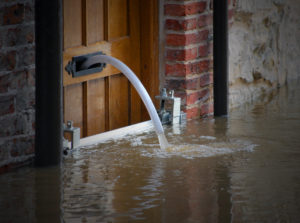
    Spring is here which means that floods may arise from heavy rainfall, overflowing bodies of water, rapid snowmelt, and damaged infrastructure. Even a slight amount of floodwater entering your home could cause significant damage so taking steps to protect your property from floods is essential.

    Consider these 5 easy strategies to minimize flood-related losses:

    • Clear your gutters and downspouts regularly.
    • Adjust the grading of your property to ensure water flows away from your home.
    • Seal cracks that could allow water inside, such as in foundations or walls, or around windows.
    • Elevate valuable equipment or property inside and outside your home, such as air conditioners, valuable possessions and important documents.
    • Acquire flood insurance, which is typically not included in standard homeowners coverage.

    Now is the time to prepare for flooding and see if you are properly protected from devastation.

    Lawley has insurance specialists that understand the finer details of flood insurance. Contact us for more information about protecting and insuring your home.

  • Solar Eclipse Safety

    Solar Eclipse Safety

    A once-in-a-generation total solar eclipse is happening on April 8, 2024, with the path of totality occurring across a large swath of North America, including Western and Central New York! Although a spectacular site, you’ll need to make sure you’re wearing proper eye protection to avoid injury.

    Here are some tips and instructions for safe and fun viewing:

    • Although everyone in the U.S. will see at least a partial solar eclipse, only those within the path of totality will witness the sun’s face completely blocked by the moon’s shadow. To observe the sun safely, you must wear certified solar eclipse glasses. It is only safe to look at the sun without eye protection during this brief period of totality.
    • Note: If you are outside the path of totality, there is no time when it is safe to look directly at the sun without proper glasses.
    • Inspect your glasses before use. If they are scratched, punctured, or torn, discard them.
    • Supervise children to ensure they are properly protected.
    • If you normally wear glasses, you can put your eclipse glasses on over them.
    • Do not look at the uneclipsed sun through a camera, telescope, binoculars, or other optical viewer.
    • Make sure your glasses are safe to use and are not fake. You can do this a few ways:
      • Get your glasses from a reputable source. Click here for a list of reputable solar viewer vendors.
      • If you put your glasses on (indoors or outdoors) you should only be able to see very bright sources of light or the sun from a reflective surface like metal or water. If you can see anything else, the glasses are fake.
      • With glasses on, look at the sun for a fraction of a second. In that brief glance, you should be able to see the sun, but only as a round disk with mild brightness and possibly with a colored tint depending on the glasses filter.

    Click here for more information about eye safety and the eclipse.