









Understanding Gut Health

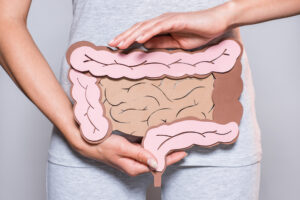
Gut health has been getting a lot of attention lately, and it’s for a good reason. The healthy bacteria living inside your gut can help your body function at its best. Your gut, also known as the gastrointestinal or digestive tract, is a complex system that breaks down and absorbs the nutrients you eat and removes waste products. Not only does your gut digest food, but it also communicates information about hormone levels and general health to your brain, and it is a major part of your immune system.
In fact, nearly 70% of your immune system is found in the gut, as this is where your body encounters many pathogens. In addition to the main and accessory organs, there are trillions of bacteria, archaea, and fungi in the digestive tract—also referred to as the gut microbiome. These living organisms help with digestion, influence your immune system and affect your central nervous system. They also produce key vitamins and fatty acids, which further benefit gut health. Overall gut health and its microbiome are influenced by many factors such as lifestyle, stress and anxiety, nutrition, medications and disease.
Two similar-sounding terms commonly used when talking about gut health are “prebiotics” and “probiotics”:
- Prebiotics are specialized plant fibers that stimulate the growth of healthy gut bacteria. Examples of prebiotics include almonds, apples, bananas, Brussels sprouts, leeks, pears, plantains and sweet potatoes.
- Probiotics contain live organisms that directly add to the population of healthy microbes in your gut. Probiotics are often used interchangeably with fermented foods. Examples of good probiotics include kefir, kimchi, kombucha, miso, sauerkraut, sourdough, tempeh and yogurt.
The best way to maintain a healthy gut microbiome is to eat a wide range of fresh, whole foods, mainly from plant sources like fruits, vegetables, legumes, beans and whole grains. Consider the following foods you can incorporate into your diet to improve your gut bacteria:
- Plenty of vegetables, legumes, beans and fruit
- Fermented foods
- Foods high in prebiotic fiber
- Whole grains, including brown rice, whole oats, buckwheat and quinoa
- A plant-based diet
- Foods rich in polyphenols, such as beans, berries, ginger and dark chocolate
Your gut bacteria are essential for many aspects of your overall health. Consult your doctor before self-diagnosing issues or making changes to your gut health.
More Insight & Tips
-
10 Myths & Facts About Heart Disease
 Rob Coppola
Senior Account Executive – Construction Insurance Practice Group
Rob Coppola
Senior Account Executive – Construction Insurance Practice Group
-
A Primer on Cardiac Arrest
Rob Coppola
Senior Account Executive – Construction Insurance Practice Group
-
Wellness News: Waist-to-Height Ratio May Outperform BMI in Predicting Heart Disease Risk
Tara McPherson
Corporate Wellness Team Lead