








What Every Homeowner Needs to Know to Avoid Contractor Scams


Hiring a contractor is often necessary to maintain or improve your home, but it can also expose you to the risk of contractor fraud. Because most homeowners aren’t familiar with the true costs of materials and labor, deceptive contractors may take advantage, leading to unnecessary repairs, inflated prices, or even incomplete work. Staying informed and vigilant is the best defense.
Why Vigilance Matters
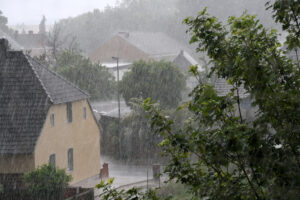
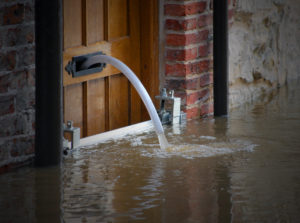
Contractor fraud can occur at any time, but it becomes especially prevalent following natural disasters. After hurricanes, tornadoes, or severe storms, communities are left vulnerable and in urgent need of repairs. Unfortunately, this creates opportunities for unethical contractors to exploit homeowners.
Florida has experienced this issue firsthand. After major storms, and even in periods without significant weather events, some contractors have gone door-to-door encouraging homeowners to file roof replacement claims, regardless of whether damage exists. In many cases, these contractors collect payment but perform little or no work, leaving homeowners financially harmed and still in need of repairs.
Failing to recognize these warning signs can result in:
- Paying for repairs that aren’t necessary
- Being overcharged for substandard work
- Becoming unknowingly involved in insurance fraud
- Facing liens on your home if subcontractors are not paid
Common Signs of Contractor Fraud
Fraudulent contractors often rely on urgency and pressure to close deals quickly. Be cautious if you encounter:
- Unsolicited offers, including door-to-door solicitations or flyers
- “Free” inspections that suddenly uncover major issues
- Limited-time discounts that require immediate decisions
- Requests for large upfront payments
- Claims that they can “handle” your insurance claim without verification
Remember: if you didn’t initiate the contact, you should proceed with skepticism.
How to Find a Reputable Contractor
When selecting a contractor, taking the time to research and compare options can prevent costly mistakes. Keep these key steps in mind:
- Seek out contractors yourself – Avoid hiring anyone who approaches you unexpectedly. Instead, ask neighbors, friends, or trusted sources for recommendations.
- Get multiple written estimates – Obtain at least three bids to compare pricing, scope, and timelines.
- Verify credentials – Confirm licenses, insurance coverage, references, and a physical business address.
- Review the contract carefully – Ensure it includes detailed costs, materials, timelines, and payment terms.
- Limit upfront payments – While a deposit may be reasonable, avoid contractors who demand full payment before work begins.
- Ask about subcontractors – Determine who will perform the work and request lien waivers to protect your property.
- Check reviews and references – Speak with previous clients and read online feedback to assess reliability.
- Consult your insurance professional – Never rely solely on a contractor’s interpretation of your coverage.
More Insight & Tips
-
Prepare Before Hurricane Season
 Paul Dreher
Director of Personal Insurance
Paul Dreher
Director of Personal Insurance
-
Fire Safety Tips to for E-Bike Owners
Paul Dreher
Director of Personal Insurance
-
9 Ways to Reduce Homeowners Insurance Costs
Paul Dreher
Director of Personal Insurance