








Home Heating Safety Checklist

Winter Home Heating Safety Guide
A Clear, Seasonal Checklist to Keep Your Home Safe and Warm
As winter settles in, it’s the perfect time for homeowners and renters to prepare their heating equipment for heavier use. A little seasonal maintenance goes a long way toward preventing fires, reducing insurance claims, and ensuring your home stays safe and comfortable when temperatures drop. Below is a simple, structured winter checklist you can share with anyone in your household.
FIREPLACES
Wood-Burning Fireplaces
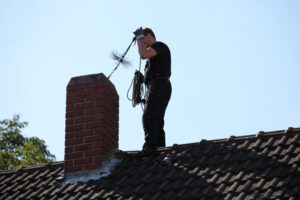
- Schedule a professional chimney cleaning and inspection once a year—winter is when buildup is most dangerous.
- Clear out ash and debris before the first fire of the season.
- Make sure the damper opens and closes smoothly.
- Inspect the firebox for cracks or loose bricks, which can be a hidden ignition risk.
Gas Fireplaces
- Gently clean the glass, logs, and burners to remove dust and residue.
- Check for unusual odors or signs of a gas leak; contact a professional immediately if anything seems off.
- Test the ignition system before the coldest days arrive.
SPACE HEATERS
Space heaters are convenient but can be one of winter’s biggest fire hazards if used incorrectly.
- Vacuum vents, grills, and heating elements to remove dust.
- Inspect the power cord for fraying or cracking.
- Keep three feet of clearance from furniture, bedding, curtains, and holiday décor.
- Plug directly into a wall outlet—never a power strip.
- Test the tip-over switch and built-in overheat protection.
FURNACES & HVAC SYSTEMS
Your furnace works hardest when winter peaks. A quick check can improve safety and efficiency.
- Replace or clean air filters.
- Clear the space around the furnace—remove boxes, storage bins, and clutter.
- Check vents and registers throughout the home for blockages.
- If it’s been a year or more, schedule a professional tune-up.
DRYER VENTS
Winter often means more laundry, heavier clothes, and longer drying cycles—making dryer vents a key fire-prevention priority.
- Clean the lint trap before every load.
- Vacuum behind and beneath the dryer.
- Have the entire dryer vent duct cleaned annually, or more often in busy households.
SMOKE & CARBON MONOXIDE DETECTORS
With fireplaces, heaters, and furnaces running, smoke and CO alarms are your most important safety devices.
- Test every alarm in the home.
- Replace batteries that are 12+ months old.
- Replace smoke detectors older than 10 years and CO detectors older than 5–7 years.
OUTDOOR HEATING EQUIPMENT
Even in winter, outdoor fireplaces and heaters get plenty of use.
- Remove ash, leaves, and spider webs from fire pits, chimineas, and patio heaters.
- Check propane hoses for cracks or wear.
- Ensure heaters are stable and secured against winter winds.
WHY THIS MATTERS FOR YOUR INSURANCE
While the goal is always safety first, proper home maintenance also helps reduce the risk of winter-related claims. Many fire losses begin with clogged chimneys, overloaded outlets, or neglected heating equipment. Following a seasonal checklist not only protects your household but also helps ensure your homeowners, renters, or valuables coverage can work as intended if something unexpected happens.
HAVE QUESTIONS ABOUT WINTER RISKS?
A seasonal policy review can help ensure your coverage matches your home’s needs this time of year.
Contact Lawley for a review of your policies and personalized winter safety guidance.
More Insight & Tips
-
Flood Damage vs Water Damage
 Paul Dreher
Director of Personal Insurance
Paul Dreher
Director of Personal Insurance
-
Understanding Summer Liability Risks at Home
Paul Dreher
Director of Personal Insurance
-
A Simple Auto Insurance Update Could Save You Trouble Later
Paul Dreher
Director of Personal Insurance